Medical Research

American Heart Association Launches National Initiative to Combat Rising Heart Valve Disease Deaths
The American Heart Association has launched a comprehensive Heart Valve Initiative to address the growing mortality from heart valve disease, which affects over 28 million people worldwide and contributes to more than 60,000 annual U.S. deaths through improved diagnosis, treatment protocols, and public awareness.

Tailored Vitamin D Doses Reduce Heart Attack Risk by 52% in Heart Disease Patients
Adults with heart disease who received personalized vitamin D supplementation to achieve optimal blood levels experienced more than half the risk of heart attack compared to those without vitamin D monitoring, according to preliminary research presented at the American Heart Association's Scientific Sessions 2025.

Daily Coffee Consumption Linked to Reduced AFib Recurrence in New Clinical Trial
A new clinical trial reveals that adults with atrial fibrillation who drank one cup of coffee daily were 39% less likely to experience recurrent AFib episodes, challenging conventional medical advice about caffeine avoidance for heart rhythm patients.

Earlier Blood Transfusions May Reduce Heart Failure Risk in Cardiac Patients After Surgery
A new study suggests that transfusing blood earlier in patients with heart disease undergoing major surgery may significantly reduce the risk of heart failure and irregular heartbeat without increasing severe complication rates.

Catheter Ablation May Eliminate Need for Blood Thinners in Some AFib Patients, Study Finds
New research suggests successful catheter ablation for atrial fibrillation reduces stroke risk enough that many patients can safely discontinue potent blood thinners in favor of aspirin, potentially reducing bleeding complications while maintaining stroke protection.
Shorter Clot-Prevention Therapy After Stent Placement Proves Effective for AFib Patients
New research shows a one-month course of dual clot-preventing therapy followed by single medication treatment is as effective as year-long dual therapy for preventing stroke, heart attack and death in atrial fibrillation patients with stents, while significantly reducing bleeding complications.
Standard Medical Care Outperforms Minimally Invasive Procedure for High-Risk Atrial Fibrillation Patients
New research presented at the American Heart Association's Scientific Sessions 2025 found that standard medical care, including blood thinners when appropriate, proved more effective than a catheter-based procedure for preventing stroke and other complications in older atrial fibrillation patients at high risk of bleeding and stroke.
Oral Cholesterol Medication Shows Promise as Alternative to Injectable Treatments
A new daily oral medication called enlicitide demonstrated up to 60% reduction in LDL cholesterol in clinical trials, potentially offering a more convenient option for high-risk patients who struggle to reach cholesterol targets with current treatments.
Novel Triple-Receptor Medication Shows Promise for Severe Triglyceride Reduction and Liver Health
A new investigational medication called DR10624 demonstrated significant reductions in triglyceride levels and liver fat in patients with severe hypertriglyceridemia, potentially offering a new treatment approach for a condition with limited current options.
Immune Cell Surface Sugar Shedding Identified as Key Factor in Psoriasis Progression
New research reveals immune cells shed surface sugars before entering inflamed skin in psoriasis patients, potentially opening new treatment pathways for the chronic autoimmune condition.

Oncotelic Therapeutics Venture Advances Novel Breast Cancer Treatment to Clinical Trials
Sapu Nano, an Oncotelic Therapeutics venture, has received Australian ethics approval to begin clinical trials for Sapu003, an injectable form of everolimus that could significantly improve breast cancer treatment outcomes by enabling full drug absorption through intravenous delivery.

Soligenix Reports Q3 2025 Results with Key Clinical Milestones for Rare Disease Treatments
Soligenix Inc. announced positive clinical progress for its rare disease pipeline including upcoming Phase 2a psoriasis results and maintained safety profile for HyBryte™ in CTCL treatment, supported by sufficient funding through 2026.
MIT and Harvard Researchers Develop Enhanced Natural Killer Cell Therapy for Cancer Treatment
Researchers from MIT and Harvard Medical School have engineered modified natural killer cells that show promising results in fighting cancer while avoiding immune system rejection, potentially transforming cancer immunotherapy approaches.
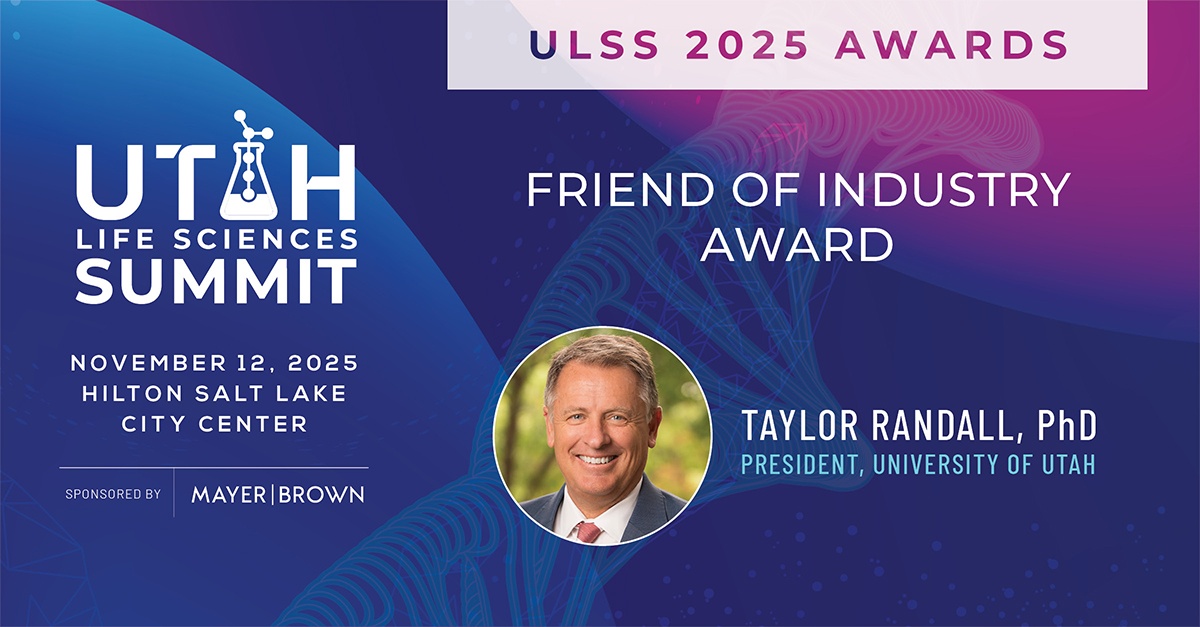
BioUtah Announces 2025 Life Sciences Award Winners Recognizing Utah's Healthcare Innovation Leaders
BioUtah will honor five distinguished individuals and companies at the 2025 Mayer Brown Utah Life Sciences Summit for their transformative contributions to healthcare innovation and economic growth in Utah's life sciences sector.
Kairos Pharma Reports Promising Phase 2 Results for Prostate Cancer Treatment ENV105
Kairos Pharma's ENV105 demonstrates 86% clinical benefit rate in advanced metastatic prostate cancer patients when combined with standard therapy, potentially addressing critical treatment resistance challenges in oncology.
Sapu Nano Announces First Human Trial of Injectable Everolimus Formulation for Breast Cancer
Sapu Nano has revealed initial human clinical trials for Sapu-003, an intravenous formulation of Everolimus that could offer improved bioavailability and efficacy compared to oral versions for breast cancer treatment.
American Heart Association Launches Initiative to Accelerate Aortic Stenosis Diagnosis and Clinical Trial Access
The American Heart Association has launched a new initiative to improve early diagnosis of aortic stenosis and increase participation in clinical trials, potentially transforming care for this serious heart condition that often goes undiagnosed until advanced stages.

Cybin Chief Medical Officer to Present at Prestigious 2025 Milken Institute Health Summit
Cybin Inc.'s Chief Medical Officer will participate in the 2025 Milken Institute Future of Health Summit, highlighting the company's advanced clinical-stage mental health treatments and their potential to address significant unmet medical needs.

Optimal Cardiovascular Health May Offset Dementia Risk in Type 2 Diabetes Patients
New research suggests that maintaining optimal cardiovascular health through the American Heart Association's Life's Essential 8 metrics can significantly reduce the risk of cognitive decline and dementia in people with Type 2 diabetes, even for those with high genetic risk.
Hidden Atrial Dysfunction Identified as Stroke Risk Factor in Heart Muscle Disease Patients
A new study reveals that people with transthyretin amyloid cardiomyopathy face significantly higher stroke risk when they have atrial electromechanical dysfunction, and researchers have developed a noninvasive assessment tool to identify those who might benefit from preventive treatments.
Long-Term Melatonin Use Linked to Increased Heart Failure Risk in Insomnia Patients, Study Finds
A preliminary study suggests adults with insomnia who used melatonin supplements for at least one year had significantly higher rates of heart failure diagnosis, hospitalization and death compared to non-users, raising important safety concerns about the widely available sleep aid.
Combining Healthy Lifestyle Habits with GLP-1 Medications Reduces Cardiovascular Risk in Type 2 Diabetes Patients
A study of over 63,000 veterans with Type 2 diabetes found that combining GLP-1 receptor agonist medications with at least six healthy lifestyle habits reduced cardiovascular event risk by 50% compared to standard care alone.

Low-Dose Aspirin Shows Cardiovascular Benefits for High-Risk Type 2 Diabetes Patients
A preliminary study suggests adults with Type 2 diabetes and moderate-to-high cardiovascular risk who take low-dose aspirin experience significantly lower rates of heart attack, stroke, and death compared to non-users, though bleeding risks require careful consideration.
Oncotelic Therapeutics to Present Novel Breast Cancer Treatment Data at 2025 Symposium
Oncotelic Therapeutics will present clinical data for its investigational breast cancer treatment Sapu003 at the 2025 San Antonio Breast Cancer Symposium, potentially offering improved efficacy and reduced toxicity for patients with HR⁺/HER2⁻ metastatic breast cancer.
Nanomedicine Breakthroughs Reshape Cancer Treatment Through Enhanced Drug Delivery
Advances in nanomedicine delivery systems are addressing critical limitations in cancer therapy by improving drug bioavailability and targeting while reducing toxicity, potentially transforming treatment standards across the oncology landscape.
Viral Infections Significantly Increase Heart Attack and Stroke Risk, Study Finds
New research reveals that both acute infections like influenza and COVID-19 and chronic viral infections including HIV and hepatitis C substantially elevate cardiovascular disease risks, highlighting the importance of preventive measures including vaccination.
Glioblastoma Remission Rates Remain Challenging Despite Treatment Advances
Only 25% of glioblastoma patients experience remission lasting at least two years, highlighting the urgent need for improved treatments for this aggressive brain cancer.
Circadian Rhythm Disruptions Linked to Increased Cardiometabolic Disease Risk, American Heart Association Warns
The American Heart Association's new scientific statement reveals that disruptions to the body's internal clock significantly increase risks for obesity, Type 2 diabetes, high blood pressure and cardiovascular disease, highlighting the importance of circadian alignment for preventive health strategies.

Dr. Hos Loftus Earns 2025 Castle Connolly Top Doctor Recognition for Integrated Neurology and Psychology Care
Dr. Hos Loftus has been recognized as a 2025 Castle Connolly Top Doctor for his innovative integrated approach to neurological and psychological care at Carolinas Institute for Neurology and Psychology, highlighting the growing importance of holistic treatment models in modern healthcare.
Nanomedicine Breakthroughs Transform Cancer Drug Delivery and Bioavailability
Recent advancements in nanomedicine technology are revolutionizing oncology treatment by improving drug delivery systems, enhancing bioavailability, and potentially transforming underperforming cancer drugs into effective therapies through platforms like Oncotelic Therapeutics' Deciparticle.