A. Aubrey Bodine's Photographic Legacy Continues to Influence Modern Art and Business
The enduring availability of over 6,000 works by acclaimed pictorialist photographer A. Aubrey Bodine highlights the growing market for historical art reproductions and their significance in preserving cultural heritage.
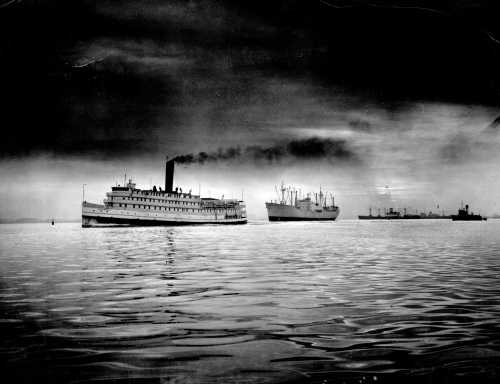
The photographic archive of A. Aubrey Bodine, recognized as one of the finest pictorialists of the twentieth century, remains accessible through www.aaubreybodine.com, offering more than 6,000 images spanning his 47-year career. Bodine's work, which began in 1923 with the Baltimore Sunday Sun, combined documentary excellence with artistic innovation, earning him top honors in national and international competitions. His approach treated photography as a creative discipline, utilizing tools like dyes, intensifiers, and compositional techniques to achieve mood and design beyond conventional newspaper standards.
The implications of this ongoing accessibility are significant for the art market and cultural preservation. Bodine's photographs, such as "Steamboat and Freighter (1956)," are available as reprints and note cards, tapping into the demand for historical art reproductions. This model supports the sustainability of artistic legacies, providing a revenue stream that funds the maintenance and promotion of extensive archives. For businesses in the art and publishing sectors, Bodine's case demonstrates how digital platforms can monetize historical content while educating the public on artistic heritage.
Bodine's methodology, which involved elaborate manipulations like adding clouds and altering negatives, underscores a broader trend where artistry and technical craftsmanship converge. This has modern parallels in digital art and photography, where post-processing is integral to creative expression. The availability of his biography, "A Legend In His Time," on www.aaubreybodine.com further enriches this resource, offering insights into his innovative techniques that influenced twentieth-century visual arts.
Economically, the preservation and sale of such archives contribute to the creative economy, supporting jobs in digital curation, printing, and marketing. For collectors and institutions, access to Bodine's work provides valuable material for exhibitions and academic study, reinforcing the importance of safeguarding artistic outputs. The continued interest in his photographs reflects a growing appreciation for historical artistry and its relevance to contemporary creative industries, highlighting how legacy artists can remain economically and culturally viable through strategic digital engagement.