AI in Property Management: Not a Replacement, But a Differentiator for Operators Who Adapt
Ron Kutas, CEO of OneWall Communities, argues that AI will not replace property managers but will separate operators who embrace it from those who do not, as the technology enables proactive data-driven decisions while freeing human staff to focus on relationship-building.
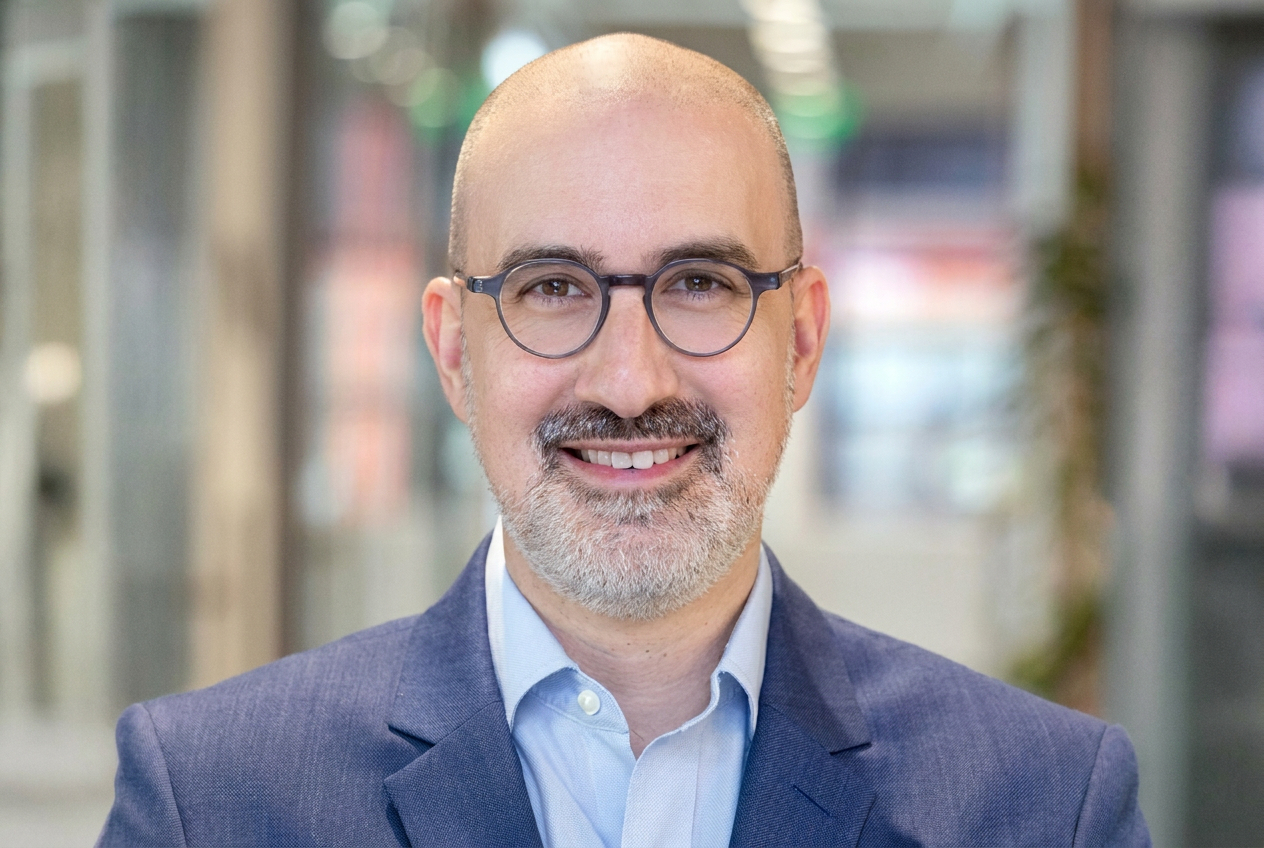
As artificial intelligence continues to permeate various industries, property management faces a familiar debate: will AI replace human workers, or is it overhyped? Ron Kutas, CEO of OneWall Communities, rejects both extremes, arguing that AI is a tool that enhances human capabilities rather than replaces them.
“Property management is still very much a human-first industry,” Kutas says. “Let AI do the things that you’re using computers to do anyway. And allow humans to do the things that only humans can do – which is human-to-human interaction, authentic, real, genuine relationship building.”
OneWall Communities, which manages workforce housing across multiple geographies, has invested heavily in its tech stack. Kutas points to data visibility as a key benefit. “AI gives us the ability to have full visibility into every data point within our portfolio,” he explains. “It provides insights so that we can be proactive rather than reactive.” This allows asset management teams to oversee more properties efficiently, not by cutting headcount but by automating data collection and reporting, freeing analysts to focus on interpretation and strategic decisions.
Kutas draws a firm line when it comes to operational functions like leasing, maintenance, and resident relations. These roles rely on human interaction that is central to the business model. OneWall’s resident app and onboarding platform aim to reduce administrative burdens so on-site teams can spend more time engaging with residents. “It allows our on-site teams to spend more time being resident-facing,” Kutas says, “rather than pulling information, sitting behind a desk, constantly answering questions.”
The firm’s growth strategy reflects this philosophy. Since October, OneWall has added about 16 properties. Instead of reducing staff, Kutas invested in learning and development, hiring a dedicated head of the department to ensure new hires are effective immediately.
Kutas also highlights a leadership lesson from rapid growth: the need to prioritize effectively. He noticed that strong team members were dropping tasks, leading him to realize the problem was his own management style. He now provides clearer prioritization and uses a shared project management view in Monday team meetings. One-on-ones include a standing agenda item focused on challenges and support.
The implications for the industry are clear. Operators who combine real estate fundamentals, scalable systems, and AI adoption will thrive. “The first disruption that happens is that workers and people who understand AI are going to replace workers who don’t,” Kutas warns. “Learn the skills, be familiar with the technology, and start to adopt it.” For OneWall, AI is not about redefining the company but enabling it to do more of what it already does—treating residents as neighbors and building communities. As Kutas notes, that is the part no algorithm can handle.