AI's Impact on Workforce: Productivity Enhancement Over Replacement
As artificial intelligence continues to evolve, businesses are exploring ways to leverage AI for improving employee productivity rather than wholesale replacement. The technology presents complex challenges and opportunities in modern workplace dynamics.
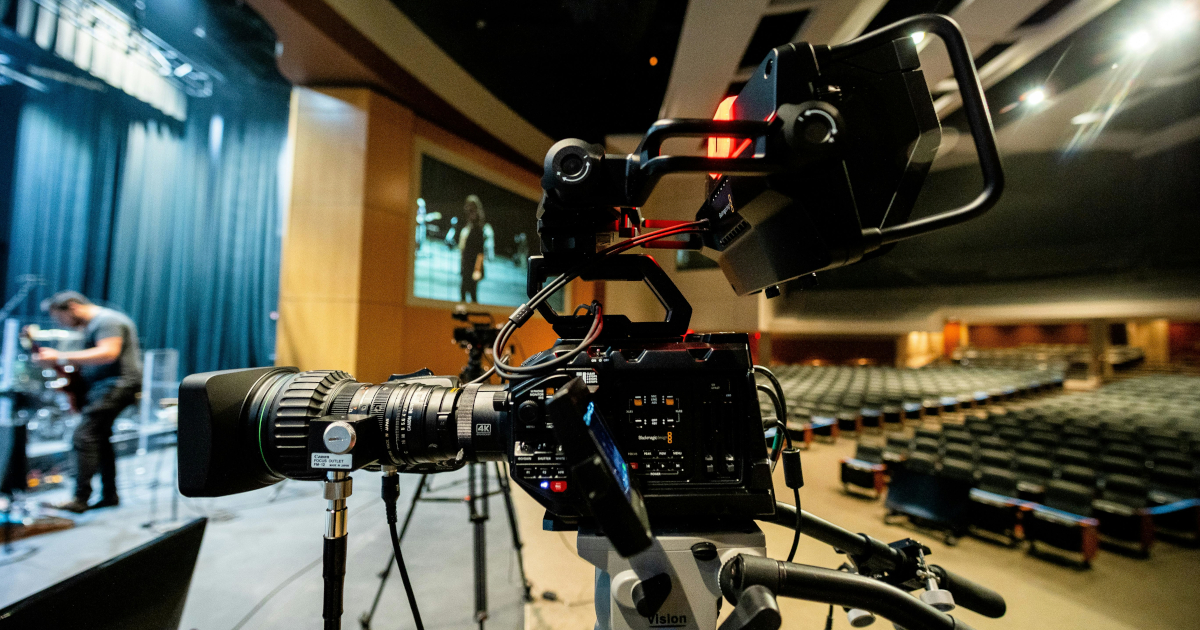
Artificial intelligence is poised to transform workplace operations, but contrary to widespread fears of mass employee displacement, current trends suggest AI will more likely augment human capabilities than completely replace workers.
Recent investigations into AI's practical applications reveal significant nuances in technological implementation. A notable example emerged when an AI chatbot generated a fabricated quote attributed to Apple's CEO, highlighting the current limitations and potential risks of uncritical AI adoption.
The more strategic approach appears to be integrating AI technologies to enhance existing employee productivity. Companies like Thumzup Media Corp. are developing AI-enhanced solutions that aim to improve workplace efficiency without wholesale workforce elimination.
While AI's potential to automate certain tasks is undeniable, the technology is not yet sophisticated enough to comprehensively replace human workers across all domains. Instead, businesses are focusing on using AI as a collaborative tool that can streamline processes, reduce repetitive tasks, and allow employees to focus on more complex, creative responsibilities.
As the technology continues to mature, organizations will need to carefully navigate the balance between technological innovation and maintaining a skilled, adaptable human workforce. The key will be viewing AI as a complementary resource rather than a wholesale replacement strategy.