Alabama Homeowners Face Key Decisions on A/C Replacement, SEER Ratings, and Heat Pump Options
A new guide from Engle Services LLC highlights critical factors for Birmingham homeowners replacing cooling systems, including proper sizing, SEER ratings, and heat pump alternatives, with implications for energy savings and system longevity.
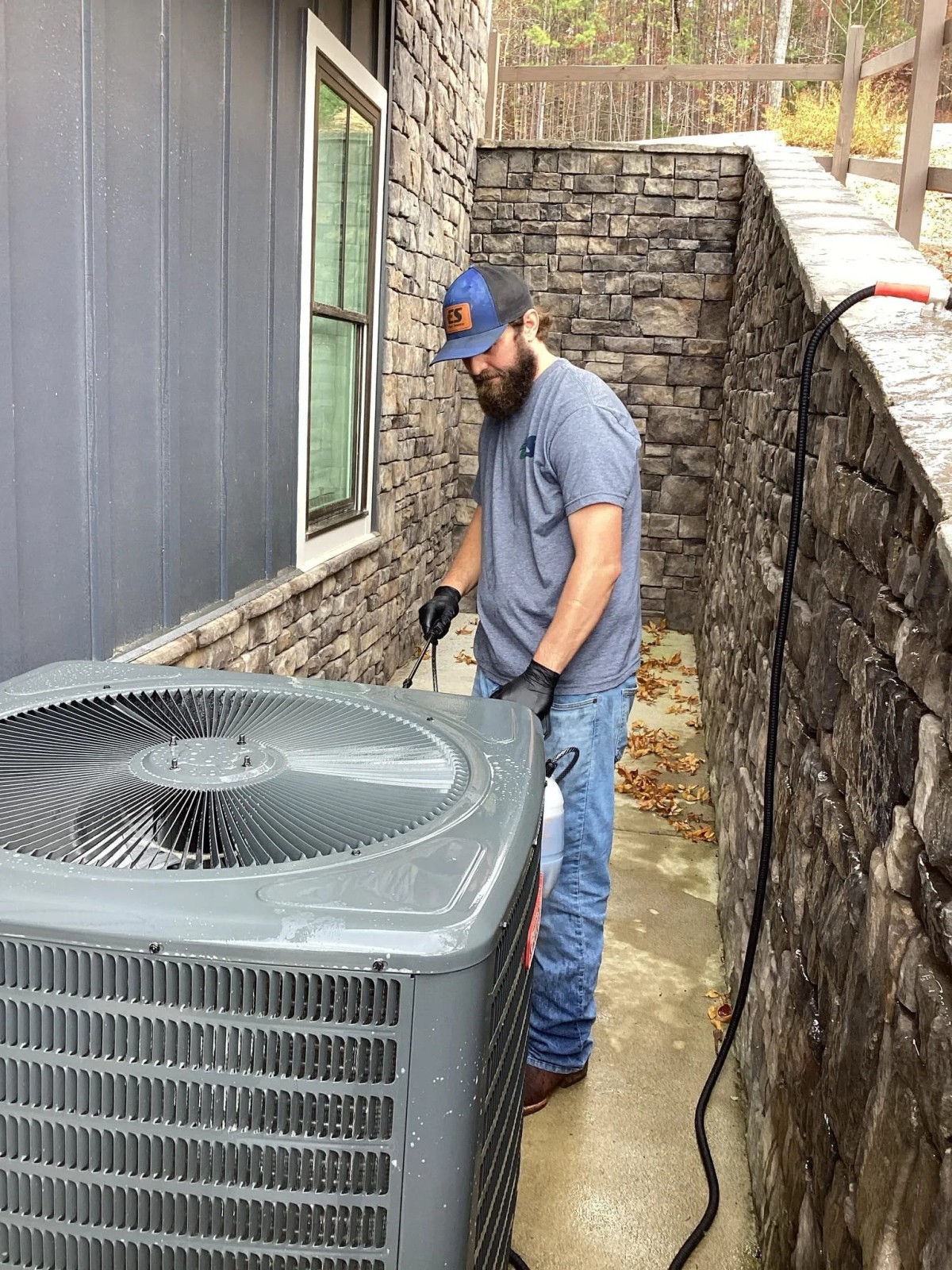
As summer approaches in Birmingham, Alabama, homeowners considering air conditioning replacement face a series of technical decisions that directly affect comfort, energy costs, and equipment lifespan. A new resource from engleservicesheatingandair.com aims to fill a persistent knowledge gap around system sizing, efficiency ratings, and alternative technologies like heat pumps.
One of the most common pitfalls in A/C installation is selecting a unit without matching it to the home's specific characteristics. An oversized system short-cycles, turning on and off frequently, which increases wear and reduces humidity control. An undersized unit runs continuously without adequately cooling the space. Proper sizing requires a Manual J load calculation, which evaluates square footage, ceiling height, insulation, window placement, and local climate. In Birmingham's hot and humid summers, accurate sizing is critical for both comfort and energy efficiency. The guide recommends homeowners request documentation of this calculation before any installation begins.
Understanding SEER ratings—Seasonal Energy Efficiency Ratio—is another essential step. Since January 2023, the U.S. Department of Energy has required a minimum SEER2 of 15 for new equipment in the Southeast, a stricter standard than in northern states. Higher SEER ratings mean lower operating costs, but the savings are not linear. Upgrading from a 10 SEER to a 16 SEER unit yields significant energy reductions, while the difference between 18 and 20 SEER may take longer to recoup through savings alone. Homeowners are advised to weigh upfront costs against their cooling season length and local utility rates.
For those relying on electric resistance heating, heat pump installation offers a dual-function alternative. Heat pumps move heat rather than generating it, providing both heating and cooling. In central Alabama's mild winters, a heat pump can deliver two to three times more energy output than the electricity it consumes, making it cost-effective compared to electric furnaces. Modern models, including cold-climate variants, perform reliably even below freezing, addressing past concerns. Birmingham's climate profile—mild winters and long, hot summers—makes the region particularly suited for heat pump systems.
Even top-rated equipment underperforms without proper installation. Studies from the Air Conditioning Contractors of America indicate that improper refrigerant charge and duct leakage can reduce efficiency by 20 to 30 percent, regardless of SEER rating. The quality of A/C installation and A/C repair work is therefore as important as the equipment itself. Prompt repair of refrigerant leaks, failing capacitors, or restricted airflow prevents compressor damage—the most expensive component to replace. According to Marcus Engle, Owner of engleservicesheatingandair.com, homeowners who schedule inspections before problems escalate extend system service life by three to five years on average. Proactive maintenance, he notes, pays off far more than waiting for a breakdown in the middle of July.
The guidance comes as demand for cooling system replacements peaks in the Birmingham metro area, underscoring the importance of informed decision-making for long-term comfort and savings.