Automotive Tech Companies Revolutionize Traditional Markets with Innovation
The automotive industry is undergoing a significant transformation as technology-oriented companies introduce electric vehicles, smart systems, and direct-to-consumer sales models, challenging traditional car manufacturers to adapt or fall behind.
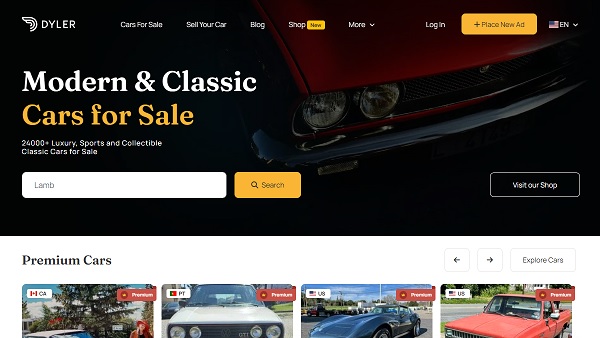
The automotive industry is witnessing a paradigm shift as technology-driven companies redefine the way cars are designed, sold, and serviced. Traditional car manufacturers are facing unprecedented challenges from newcomers like Tesla, Rivian, NIO, and Lucid, who are not only introducing electric vehicles (EVs) but also revolutionizing the sales process by eliminating dealerships and selling directly to consumers online. This direct approach, as seen with companies like Dyler, is just the tip of the iceberg in the industry's transformation.
Electric cars are at the forefront of this change, offering fewer moving parts and lower maintenance requirements compared to their gas-powered counterparts. The integration of smart technology allows for over-the-air updates, enabling features like automatic parking and voice commands to be added remotely, a stark contrast to the traditional need for physical garage visits for minor updates or fixes.
Moreover, the advent of self-driving technology presents both opportunities and challenges, including legal and ethical questions about liability in the event of accidents. This technological leap is not only altering the landscape for car manufacturers but also impacting related industries such as delivery services and taxi operations, potentially rendering some jobs obsolete.
Traditional car brands are scrambling to keep pace, with companies like Mercedes, Toyota, and Ford investing heavily in software development, battery technology, and partnerships with tech giants like Google. However, the complexity of manufacturing cars that meet safety regulations and manage global supply chains remains a significant hurdle.
This wave of innovation is not just changing the vehicles we drive but also transforming our entire approach to mobility. From driving and riding to renting and sharing, the automotive industry is accelerating towards a smarter, more efficient future, with technology companies leading the charge. The competition between established brands and agile newcomers is fostering an environment of rapid advancement, signaling that this is only the beginning of the automotive revolution.