Avigilon Access Control Platforms Offer Distinct Paths for New York City Security Needs
This guide compares Avigilon Alta cloud-native and Avigilon Unity on-premise access control systems, helping NYC security leaders choose the right platform based on property footprint, risk profile, and growth requirements.
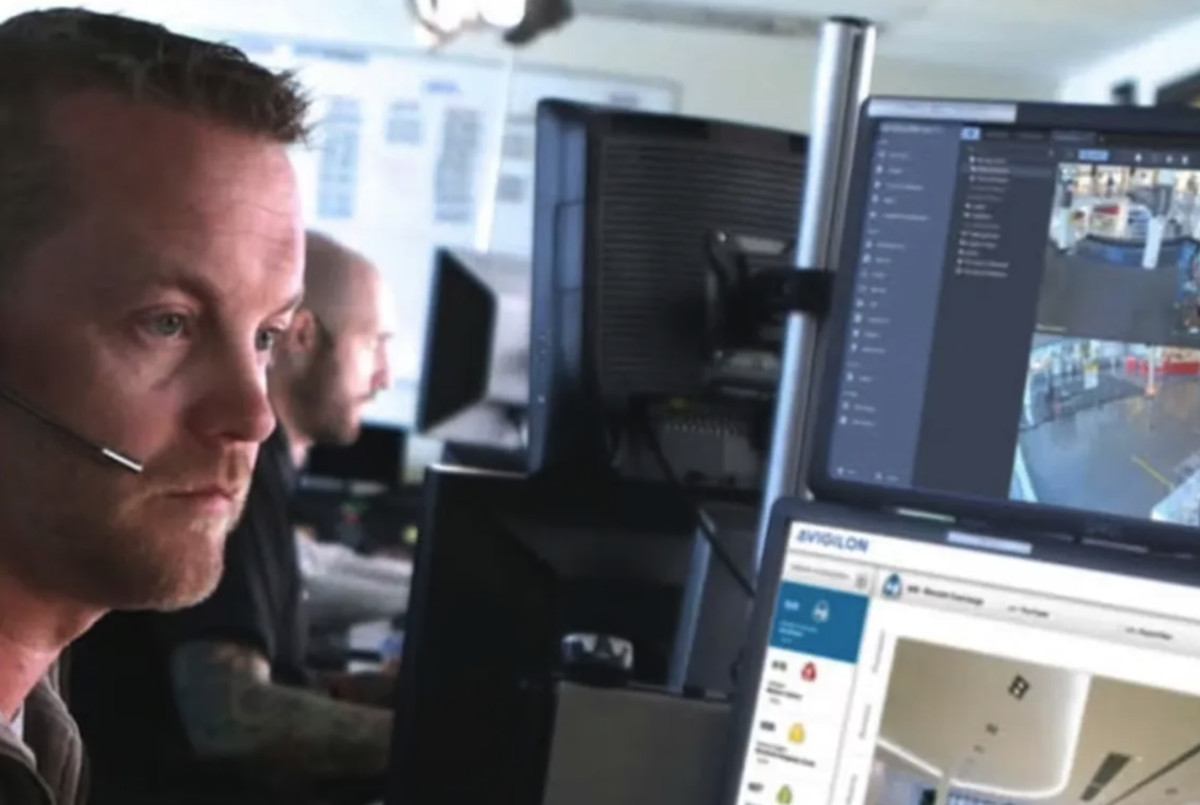
Access control systems in New York City must balance speed, security, and simplicity across tight schedules and constrained spaces. The choice between Avigilon Alta's cloud-native platform and Avigilon Unity's on-premise suite represents a critical decision for security leaders managing properties across Manhattan and Long Island. Modern commercial sites in the NYC metro face unique pressures including frequent tenant turnover, union windows, historic facades, and strict code requirements.
Avigilon Alta serves as a cloud-native suite for access control and video, focusing on speed, remote management, and continuous updates. This platform fits multi-location portfolios stretching across Manhattan, Brooklyn, Queens, the Bronx, and Long Island. Essential capabilities include cloud management from any device, mobile and touchless credentials, unified video and access integration, AI-enabled alerts, automatic security updates, and API-friendly integrations. The operational benefits for NYC properties include remote unlocks for after-hours deliveries, faster tenant move-ins, and reduced service calls for simple changes.
Avigilon Unity brings access control, video, analytics, and decision management on-premise for organizations requiring local data custody, deterministic performance, and deep integration with existing hardware. This solution serves healthcare, finance, public sector, and critical infrastructure across the NYC metro. Key features include local management and storage, granular policy enforcement, powerful video analytics, unified access and video integration, and scalable open integration through RESTful API support.
The decision framework favors Avigilon Alta for multiple properties needing centralized control and fast change cycles, mobile credential priorities, frequent contractor rotations, and operational expense preferences. Avigilon Unity better suits compliance-driven environments requiring local data custody, chain-of-custody protocols, strict standard operating procedures, and deterministic uptime for critical doors. Hybrid deployment patterns can combine Alta for tenant suites and distributed offices with Unity for landlord core areas and high-security zones.
Successful NYC deployments require careful attention to structured cabling and networks, power and egress systems, door hardware selection, reader placement and aesthetics, change control documentation, operator training, and growth planning. Both platforms handle video and analytics differently, with Alta offering cloud-native unification connecting door activity to live and recorded video, while Unity provides advanced local analytics supporting fast search, appearance-based identification, and decision management tools.
Local use cases demonstrate the practical applications: Class-A towers in Midtown benefit from cloud control for frequent tenant changes, Queens medical campuses require on-prem systems for privacy compliance, JFK-area logistics hubs need cloud provisioning for seasonal spikes, and Upper Manhattan higher education institutions often deploy hybrid solutions. The full comparison guide is available at https://www.streamlinetelecom.com for readers seeking deeper practical analysis and local context.