Award-Winning Photographer's 'Surreal Cuba' Book Launch Documents Crucial Historical Period
The University of Miami's Cuban Heritage Collection is hosting the launch of 'Surreal Cuba,' a photographic documentation of Cuba's challenging 'Special Period' from 1993-1994, offering rare insights into a critical moment in Cuban history through an innovative interactive format.
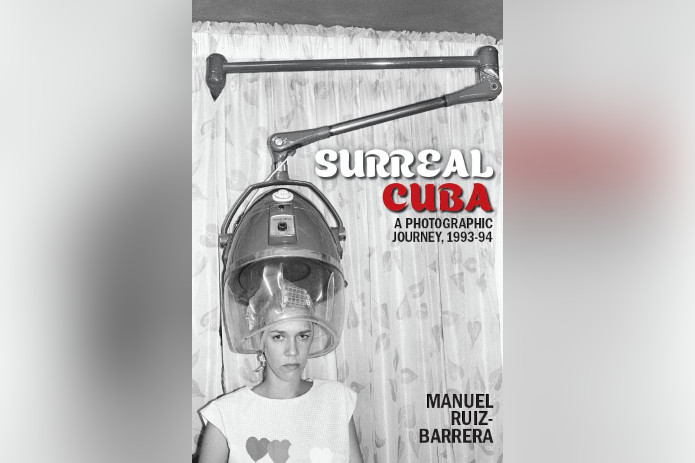
A significant photographic record of one of Cuba's most challenging historical periods is being unveiled at the University of Miami's Cuban Heritage Collection. The February 19 launch of 'Surreal Cuba,' by photographer and media entrepreneur Manny Ruiz, provides a unique window into Cuba's 'Special Period' of 1993-1994, a time of severe economic crisis following the collapse of the Soviet Union.
The book's significance extends beyond its historical documentation, incorporating modern technology through interactive QR codes that provide detailed backstories to the images, bridging the gap between traditional photography and digital storytelling. This innovative approach makes the historical record more accessible and engaging for contemporary audiences.
Ruiz, a Pulitzer Prize co-recipient, captured these images at age 23, creating what has become an important historical archive partially housed at the University of Miami Libraries. The work has already demonstrated its cultural impact, inspiring the globally recognized Bistec podcast series.
The collection's preservation at the University of Miami's Cuban Heritage Collection, the largest repository of Cuban materials outside the island, ensures these crucial historical documents will be available to researchers and future generations. The photographs provide valuable insights into daily life during a pivotal period that shaped modern Cuba and its diaspora community.
For scholars, historians, and those interested in Cuban studies, this documentation of the 'Special Period' offers primary source material of a time that significantly impacted Cuban society and international relations. The book's launch at an academic institution underscores its importance as both a historical record and a tool for understanding Cuba's recent past.