Balcony Solar Systems Emerge as Accessible Alternative for Homeowners and Renters
Plug-in solar panels for balconies offer a cheaper, more flexible option for households unable to install rooftop systems, potentially expanding renewable energy access.
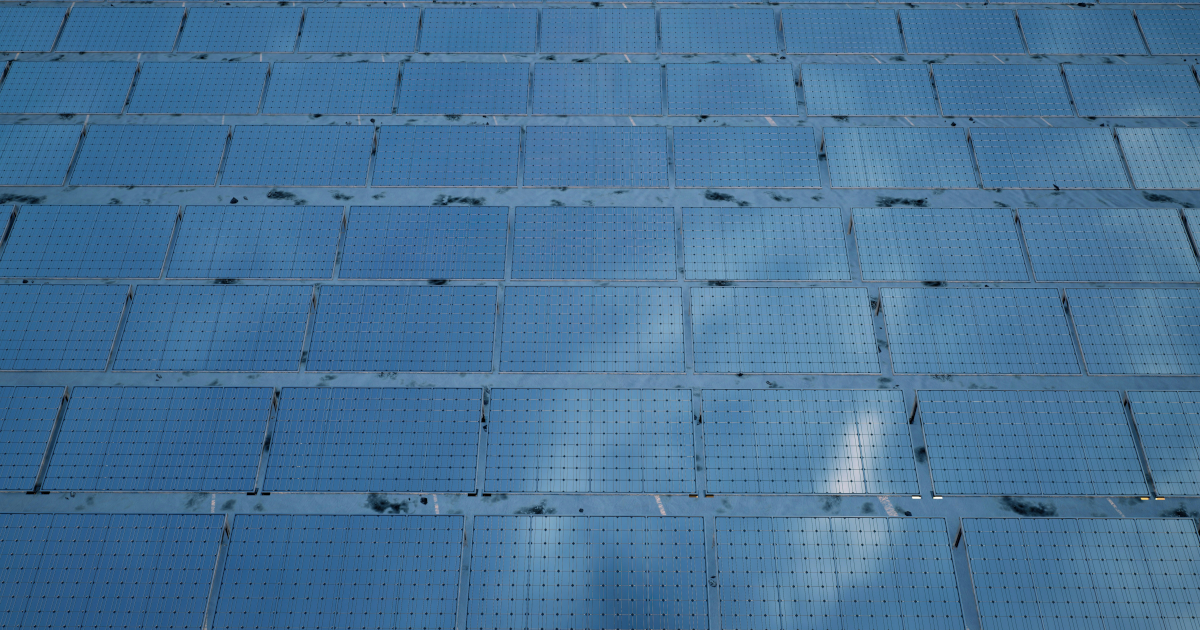
Rooftop solar panels are installed in only 5% to 7% of American households, hindered by high costs, building constraints, and landlord restrictions. A smaller-scale alternative, known as plug-in or balcony solar, is drawing attention as a more accessible option, potentially opening solar energy to millions of renters and homeowners who lack the means for traditional installations.
These systems, which can be mounted on balconies or patios and plugged directly into a standard outlet, are significantly cheaper and easier to install than rooftop arrays. As more families acquire them, solar energy companies like GeoSolar Technologies Inc. could develop variations tailored to different household sizes, further driving adoption.
The implications are broad. For renters, balcony solar offers a way to reduce electricity bills without permanent modifications, a key barrier in the rental market. For homeowners in shaded or structurally unsuitable properties, it provides a viable entry point into renewable energy. This democratization of solar power could accelerate the transition to clean energy, particularly in urban areas where space is limited.
Despite its promise, balcony solar faces regulatory hurdles. Some homeowners’ associations and local codes restrict visible panels, and net metering policies vary by utility. However, advocates argue that as demand grows, these barriers may ease, especially with federal incentives under the Inflation Reduction Act that could apply to smaller systems.
The news matters because it addresses a critical gap in the renewable energy market. Roughly half of U.S. households are renters or live in multi-unit buildings, effectively excluded from rooftop solar. Balcony systems could bring solar to these underserved groups, reducing carbon emissions and energy costs on a wider scale. If adopted broadly, it could reshape the residential solar industry and pressure utilities to adapt to decentralized generation.
GreenEnergyStocks, a communications platform focusing on green economy companies, highlighted this trend in a recent release, noting the potential for innovation. The platform is part of the Dynamic Brand Portfolio @IBN, which provides services including wire solutions, editorial syndication, and social media distribution. For more information, visit GreenEnergyStocks.com.
As balcony solar gains traction, it represents a shift toward more inclusive clean energy solutions, enabling individuals to participate in the energy transition regardless of housing situation. The technology’s simplicity and lower cost could make it a key player in reducing the nation’s carbon footprint, one balcony at a time.