Baltimore's Progress in Crime Reduction Faces Threat from Federal Cuts
Baltimore's significant reductions in crime and vacant properties are at risk due to potential federal budget cuts impacting health and social programs.
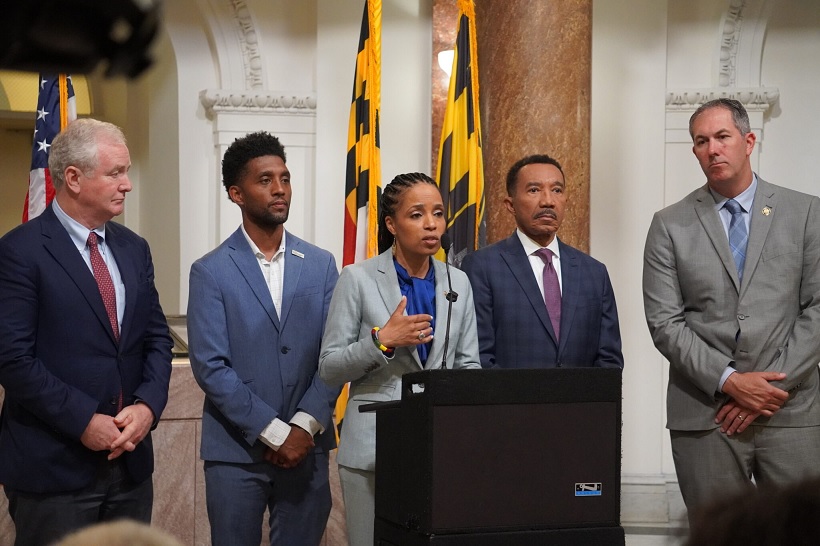
Baltimore's federal delegation recently highlighted the city's progress in reducing crime rates, vacant properties, and overdose deaths, yet expressed concerns over how federal actions could undermine these achievements. Mayor Brandon Scott reported a 22.7% decrease in homicides and a 19.6% decline in nonfatal shootings since last July, alongside reductions in auto thefts, robberies, arson, and carjackings. The number of vacant properties has also fallen below 13,000, a significant improvement from the longstanding figure of around 20,000.
Despite these advancements, the delegation warned that the Trump administration's budget cuts, particularly to Medicaid and food-assistance programs, could jeopardize the city's progress. These cuts, part of a broader $1 trillion reduction over the next decade, are expected to disproportionately affect vulnerable populations in Baltimore, including children and pregnant mothers. Mayor Scott emphasized the potential negative impact on addiction and overdose intervention efforts, citing a recent mass overdose event in the city as an example of the challenges ahead.
The delegation's concerns underscore the fragile nature of Baltimore's improvements, with federal policies posing a significant threat to the city's ability to sustain and build upon its recent successes. The situation highlights the broader implications of federal budget decisions on local communities, particularly those already grappling with complex social and health issues.