Basic Enterprise Search Risks for Regulated Industries, Cognitive Search Emerges as Solution
The limitations of basic enterprise search tools create productivity drains and security risks, especially for regulated industries, driving adoption of cognitive search platforms that unify fragmented systems with AI-driven accuracy.
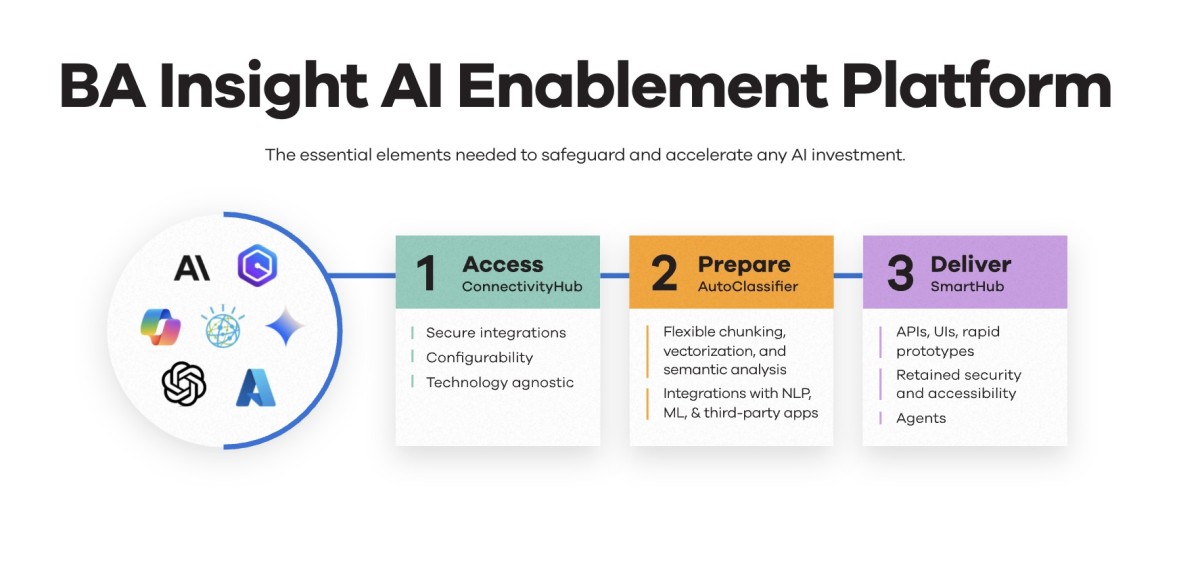
The fragmentation of enterprise information across dozens of systems—from collaboration platforms to CRM and ERP tools—has made basic search a liability for productivity and compliance, according to a new analysis from Upland Software. For regulated industries and organizations managing sensitive intellectual property, the gaps in standard search tools represent meaningful risk exposures that go beyond lost time.
Research into knowledge worker productivity consistently shows that employees spend a significant portion of their workweek searching for information. The cost extends beyond lost time, manifesting as duplicated effort, decisions based on incomplete data, and erosion of institutional knowledge. As enterprises adopt more specialized applications, each platform introduces its own search interface, indexing logic, and permission structure, requiring employees to know not only what to look for but where to look—a near-impossible task across an entire enterprise stack.
Search tools embedded within individual applications were not designed to answer employees' actual questions. They return results from a single repository rather than the full scope of available knowledge, rank by basic keyword relevance rather than context or recency, and frequently surface content the searcher is not authorized to view—or fail to surface relevant content because indexing missed it. These limitations are particularly acute in regulated industries where compliance and security are paramount.
Cognitive search platforms, also known as enterprise or intelligent search, address these gaps by indexing content across multiple repositories and applying machine learning, natural language processing, and contextual relevance to deliver a unified search experience. They establish a single point of access that respects the security model of every underlying source, ensuring employees see only results they are authorized to access. Key capabilities include connectors to a broad range of business applications, intelligent ranking that adapts to user behavior, security trimming, and AI-driven features such as semantic search, summarization, and answer generation grounded in trusted enterprise content.
BA Insight, a cognitive search and knowledge discovery platform built to unify content across common enterprise productivity platforms and the broader enterprise application stack, operates within this category. As enterprises expand their use of generative AI, the importance of well-organized, well-governed content has increased considerably. AI assistants, copilots, and intelligent applications depend on the quality of the knowledge base they draw from—and that knowledge base lives across the same fragmented systems that have long made enterprise search a persistent challenge.
Cognitive search platforms increasingly serve as the foundation that makes enterprise AI initiatives viable, delivering accurate, permissioned, and contextual information from the systems where work actually takes place. For organizations reconsidering how employees discover and act on knowledge, the opportunity is no longer about replacing search interfaces but about establishing an information layer that connects the entire enterprise.