CPR Confidence Surges Among Americans as 17.7 Million More Feel Prepared to Save Lives
A significant increase in Americans' confidence to perform CPR marks a potential turning point in cardiac emergency response, with survey data showing a rise from 33% to 39% in bystander confidence since Damar Hamlin's incident, representing millions more potential lifesavers.
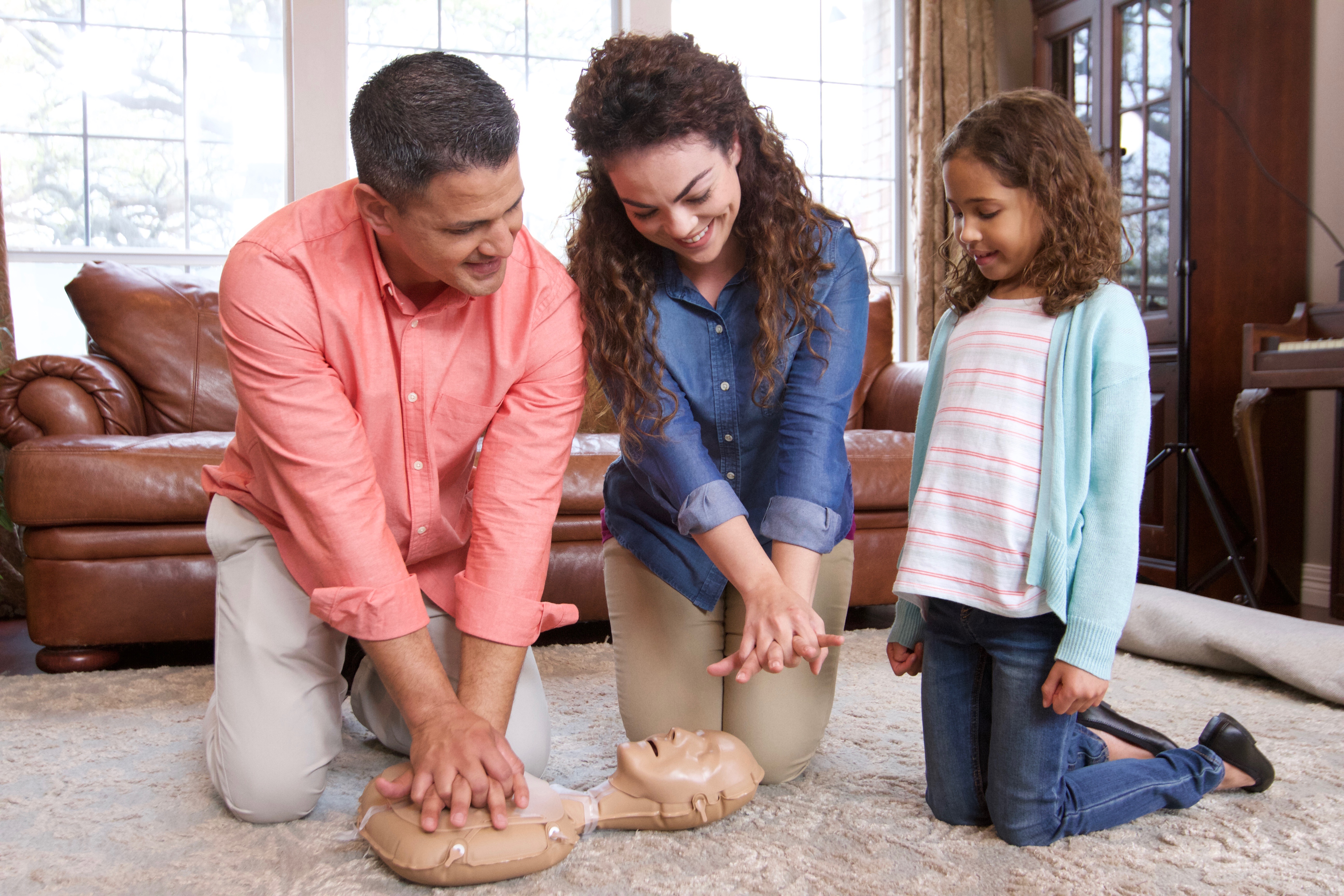
New survey data from the American Heart Association reveals a significant shift in Americans' readiness to respond to cardiac emergencies, with 17.7 million more people now feeling confident to perform CPR compared to previous years. This marks a crucial improvement in potential emergency response capabilities across the nation, where 350,000 cardiac arrests occur outside hospitals annually.
The increase from 33% to 39% in bystander confidence to perform CPR represents a meaningful change since NFL player Damar Hamlin's widely-publicized cardiac arrest in January 2023. This improvement is particularly significant given that 74% of cardiac arrests occur in homes, and currently, 90% of these incidents prove fatal.
The timing of this confidence boost aligns with critical needs in public health. With more than 23,000 children experiencing cardiac arrests annually, including 20% in infants and 40% in sports-related incidents, the increased preparedness could have far-reaching implications for survival rates. The American Heart Association's research indicates that children who experience cardiac arrest at schools are seven times more likely to survive if an AED is available.
This shift in public readiness coincides with recent legislative progress, including the bipartisan HEARTS Act, which establishes federal grants for schools to provide CPR training and AED access. The combination of increased public confidence and policy support suggests a potential breakthrough in addressing the historically high mortality rates from cardiac arrests.
The survey, conducted by Decision Analyst for the American Heart Association, sampled 1,266 nationally representative U.S. adults aged 18 to 80, reflecting a broader cultural shift toward emergency preparedness. This increased confidence, coupled with expanded training opportunities through virtual reality and at-home learning options, positions communities to potentially save more lives through early intervention in cardiac emergencies.