Dental Implants Can Be Affordable: Strategic Approaches to Save Without Sacrificing Quality
The article outlines the costs of dental implants in 2026 and provides ten proven strategies to make them more affordable, emphasizing informed decision-making and value over low price.
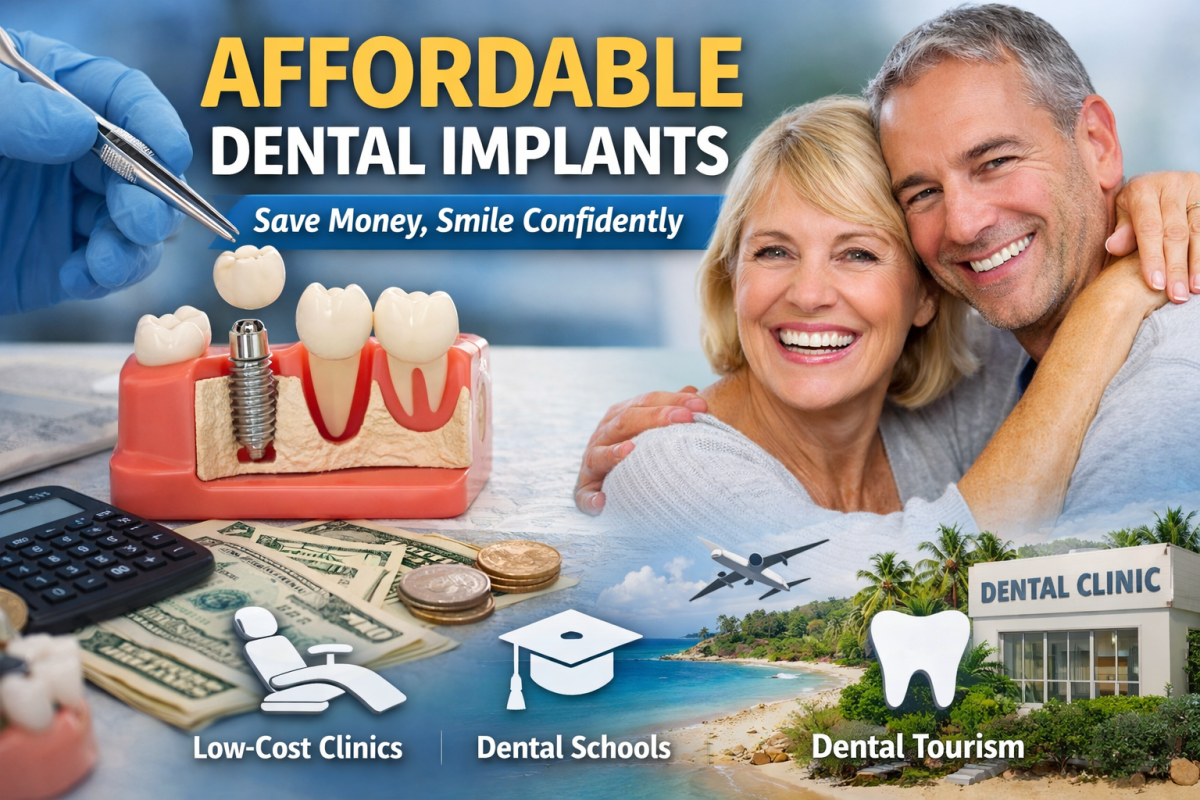
Dental implants are widely regarded as the gold standard for replacing missing teeth, but their high cost often deters patients. However, according to a recent guide from Affordable Dental Marketing, implants can be accessible with the right approach. The key is understanding where costs come from and how to reduce them without compromising safety or quality.
Implants involve titanium posts surgically placed into the jawbone, topped with a crown. The average cost for a single implant in 2026 ranges from $2,000 to $5,500 per tooth, with full-mouth restorations costing $14,000 to $28,000. But these figures can vary based on complexity, location, and additional procedures like bone grafts or sinus lifts. Hidden costs—such as extractions ($150–$600), sedation ($100–$500), and 3D scans ($100–$300)—can inflate the final bill, making it crucial to request a full itemized treatment plan before committing.
The guide lists ten ways to save, starting with shopping around. Prices can differ significantly even within the same city, so visiting at least two or three providers for detailed estimates is recommended. Many clinics offer free consultations and X-rays, allowing patients to compare plans without upfront expense. Dental schools are another underrated option, offering procedures by supervised students at 30% to 50% less than private clinics. Payment plans and 0% interest financing are widely available, and patients with Health Savings Accounts (HSAs) or FSAs can use pre-tax dollars to lower their taxable income.
Insurance may cover parts of the procedure, such as extractions or crowns, so verifying benefits is essential. Some clinics run promotions or offer bundle pricing for multiple implants. For those open to travel, dental tourism to countries like Mexico, Thailand, or Turkey can provide significant savings, though careful research is required. Alternatively, less expensive options like bridges or dentures may suit some patients, though they have shorter lifespans.
The article warns against deals that seem too good to be true, which may indicate poor materials or inexperienced providers. Red flags include lack of transparent pricing, no consultation, or unlicensed clinics. Affordable does not mean low quality; the goal is value. Patients should ask about total costs, additional fees, financing options, and the dentist's experience with implants.
Charles Kim at the Affordable Dentist Near me of Denton, located at 3969 Teasley Ln in Denton, TX, emphasizes that getting affordable implants is about strategy. By staying informed and proactive, patients can significantly reduce expenses without sacrificing quality.