Earth Day Campaign Links Consumer Choices to Pollinator Health as Bee Losses Mount
A Pennsylvania honey producer launches an Earth Day 2026 initiative urging consumers to adopt sustainable practices as USDA data shows 48% annual colony losses, highlighting that one-third of global food depends on pollinators.
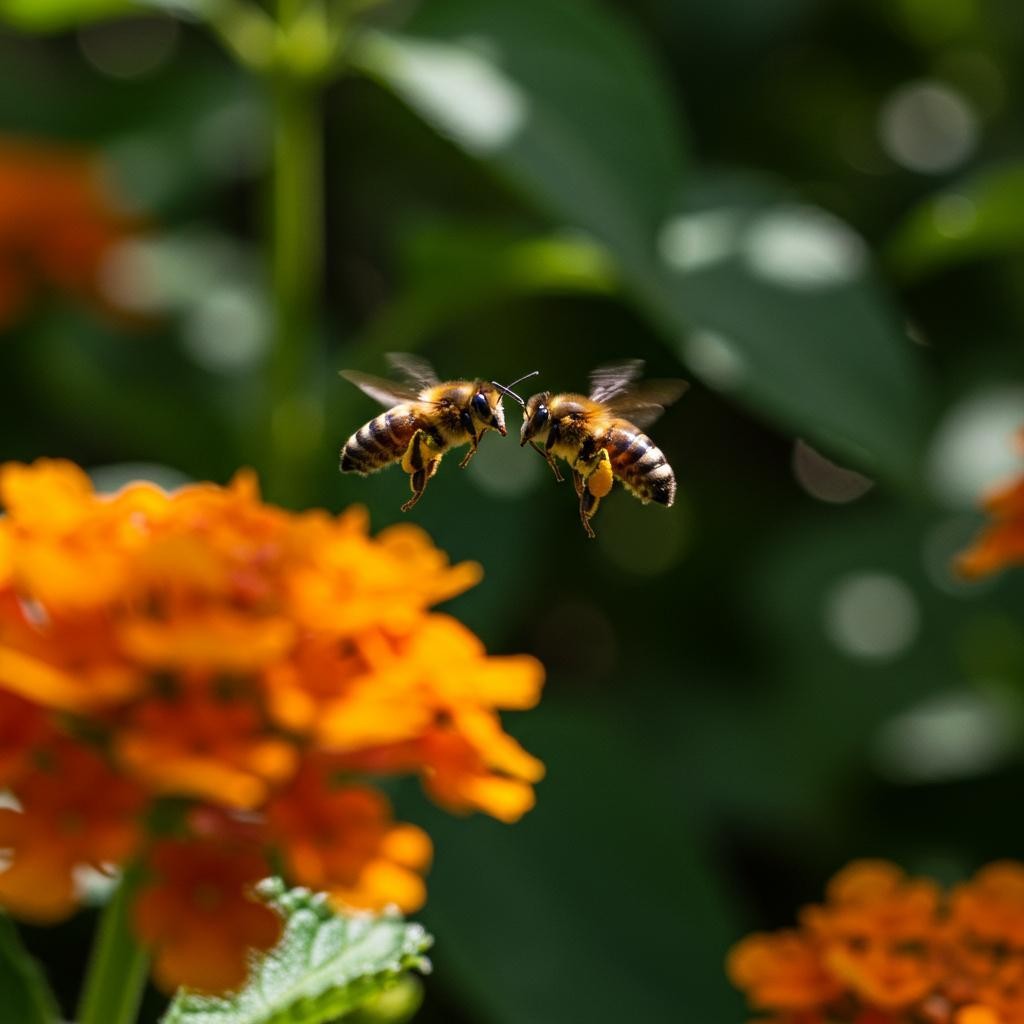
A small-batch honey producer in Pennsylvania is using Earth Day 2026 to launch a pollinator awareness campaign, drawing attention to the link between consumer behavior and the steep decline of bee populations. Huckle Bee Farms LLC, based in Bedford, Pennsylvania, is urging consumers to take direct action as new data from the USDA shows that U.S. beekeepers lost an estimated 48% of their managed honey bee colonies within a single year—among the highest annual loss rates on record.
The campaign underscores a broader crisis: according to the Food and Agriculture Organization of the United Nations, approximately one-third of the global food supply depends on pollination by bees and other insects. This figure places the farm's message in a context that extends well beyond honey production, touching the stability of fruit, vegetable, and nut crops that consumers encounter daily.
Huckle Bee Farms is emphasizing sustainable beekeeping as a practical response. The farm operates using methods intended to reduce stress on bee colonies, avoid synthetic chemical treatments when alternatives are available, and maintain hive conditions that prioritize long-term colony survival over short-term honey output. The initiative aims to help consumers identify products that reflect these practices—including how to read labels, research producers, and distinguish between large-scale commercial operations and small-batch farms that manage fewer hives with closer individual attention.
“We lost contact with three of our strongest hives in a single winter two years ago, and that experience changed how we talk about this issue,” said the founder of Huckle Bee Farms LLC. “When people understand that save the honey bees is not just a slogan but a real operational challenge for small farms, they start making different choices at the checkout.”
The campaign outlines concrete steps consumers can take ahead of and following Earth Day 2026. Recommended actions include planting pollinator-friendly native species such as clover, lavender, and wildflowers; reducing or eliminating pesticide use in home gardens; purchasing raw, unfiltered honey from traceable small-batch producers; and supporting local and regional beekeepers through farmers markets and direct-to-consumer channels. The farm also highlights broader landscape-level actions, such as advocating for pesticide regulations that account for pollinator toxicity and supporting land management policies that preserve natural foraging habitat.
While individual consumer choices carry weight, Huckle Bee Farms notes that systemic change in agricultural land use remains one of the most significant factors in protecting bee populations over time. Contributing factors to the decline include pesticide exposure, habitat destruction, parasitic mites, and the spread of disease within hive populations, according to USDA data.
The effort reflects a wider pattern among small agricultural producers using recognized environmental moments to advocate for practices that may not advance through mainstream agricultural policy without grassroots engagement. Huckle Bee Farms plans to carry the campaign through the spring planting season, a period when consumer decisions about garden plants and pesticide use carry the most direct impact for local pollinator populations. The push to save the pollinators, the farm argues, is most effective when it reaches people precisely at the moment those decisions are being made.