Federal Energy Funding Cuts and Legal Battles Impact Maryland Amid Broader Policy Shifts
Maryland faces significant implications from federal energy funding reductions and legal rulings affecting sustainable energy projects, redistricting efforts, and immigration cases, highlighting ongoing policy conflicts between state and federal priorities.
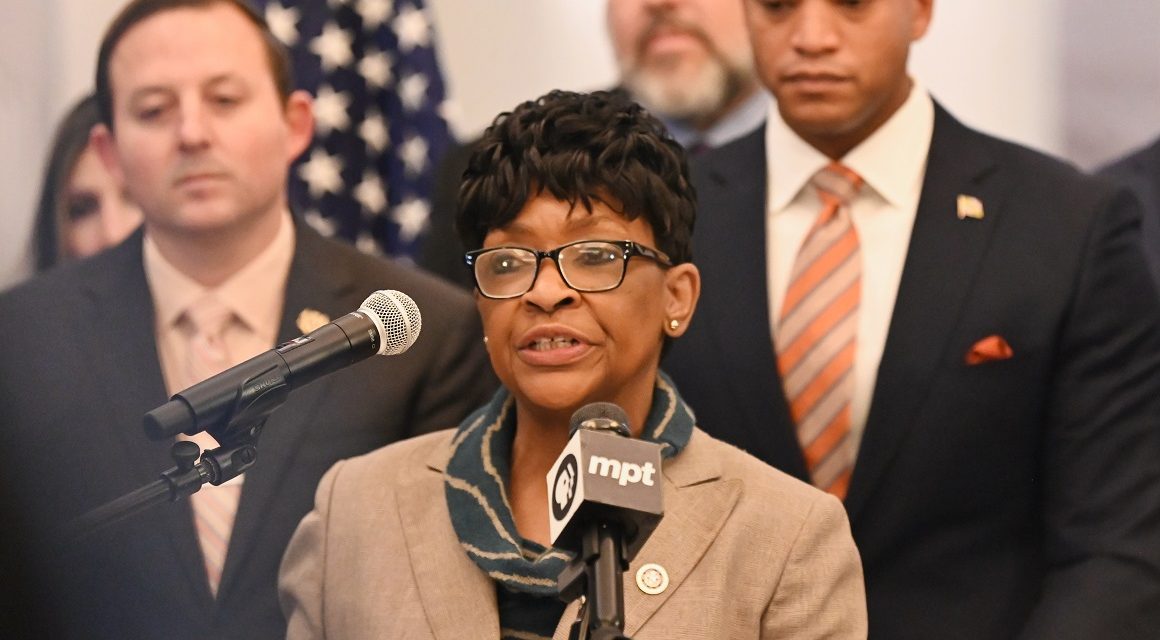
A federal judge ruled that the U.S. Department of Energy illegally capped funding for sustainable energy and energy efficiency projects in Maryland and 19 other states, a decision welcomed by Maryland Attorney General Anthony Brown. This ruling comes as the Trump administration cancels $7.6 billion in grants supporting clean energy projects in 16 states, including Maryland, all of which voted for Democrat Kamala Harris in last year's presidential election. The funding cuts, detailed in reports from the Associated Press available at https://apnews.com, could hinder state-level initiatives aimed at reducing carbon emissions and advancing renewable energy infrastructure.
Meanwhile, Maryland's political landscape is marked by House Speaker Jones advocating for redistricting to counter changes in GOP-controlled states, emphasizing the strategic importance of congressional map adjustments. In immigration policy, a Baltimore judge denied Kilmar Abrego Garcia's asylum bid, reflecting broader partisan struggles over immigration enforcement. Garcia's case, covered by the Associated Press at https://apnews.com, remains subject to further legal review, underscoring the uncertainty facing many asylum seekers.
Environmental concerns are also prominent, with community members opposing Days Cove Rubble Landfill's request to double leachate discharges into the Bird and Gunpowder rivers, as reported by Maryland Matters at https://marylandmatters.org. Additionally, Baltimore's Inner Harbor experienced a 'pistachio tide,' raising alarms about water quality, with monitoring updates available from The Baltimore Banner at https://thebaltimorebanner.com. These issues coincide with a proposed five-megawatt solar facility outside Woodsboro, inviting public comment through the Maryland Public Service Commission, highlighting local engagement in energy transitions.
On the fiscal front, a potential federal government shutdown threatens disruptions to Supplemental Nutrition Assistance Program benefits for about 700,000 Marylanders, exacerbating food insecurity. Elsewhere, Baltimore taxpayers are covering over $160,000 for Mayor Brandon Scott's new security-enhanced vehicle, as noted by The Baltimore Sun at https://www.baltimoresun.com, sparking debates over public spending priorities. These developments illustrate the interconnected challenges of federal policy, state responses, and community impacts, shaping Maryland's economic and environmental future.