Five Health Tech Finalists Compete to Advance Cardiovascular and Brain Health Solutions
The American Heart Association has selected five innovative health technology companies as finalists in its global competition, highlighting emerging solutions that could significantly impact the prevention and treatment of heart disease and stroke worldwide.
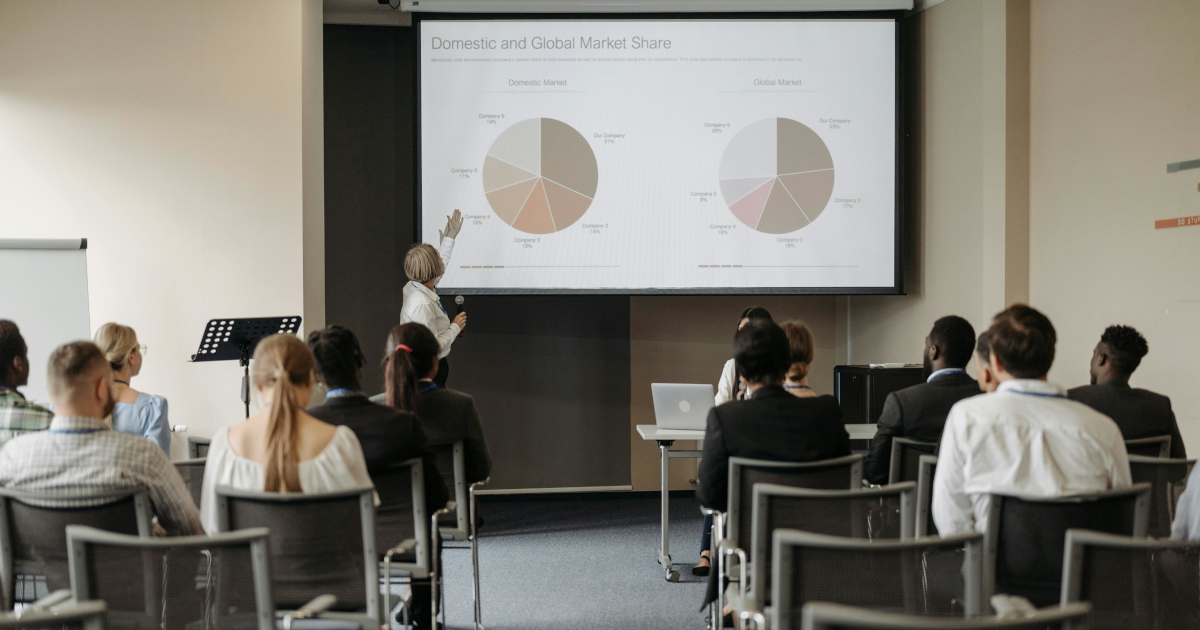
The American Heart Association has named five finalists in its 8th annual Health Tech Competition, hosted by the Center for Health Technology & Innovation, addressing the critical gap between healthcare innovation and adoption for heart disease and stroke, the world's leading causes of death. The competition provides a live forum for healthcare technology companies to present innovations designed to prevent or treat cardiovascular conditions, including high blood pressure, stroke, heart failure and related conditions.
This year's selected finalists will present their solutions during Scientific Sessions 2025, the Association's flagship global event for the latest research and clinical advancements in cardiovascular science. The finalists include Brainomix from Oxford, England, creating AI-powered software to improve stroke diagnosis and treatment decisions; Cambrian Health from San Francisco, building an AI-powered platform that ensures clinical best practices are seamlessly executed at the point of care; Lumia from Boston, delivering wearable solutions for people with orthostatic intolerance and chronic blood flow disorders; Noah Labs from Berlin, transforming voice into a digital biomarker to enable earlier intervention for cardiometabolic diseases; and PolyVascular from Houston, Texas, developing minimally invasive solutions for children with congenital heart disease to reduce the need for repeated open-heart surgeries.
Final presentations will be delivered live at the New Orleans Ernest N. Morial Convention Center on November 8-9, with evaluation based on three key criteria: validity of the working prototype or product functioning in the market, scientific rigor of validation research using evidence-based health research, and impact on improving patient outcomes through innovative technology. A distinguished panel of expert volunteer judges will review business and science presentations from each company, including medical professionals from leading institutions and healthcare innovation leaders.
The competition winner will receive complimentary membership in the Center for Health Technology & Innovation Innovators' Network, a consortium connecting entrepreneurs, providers, researchers and payers to advance cardiovascular and brain health innovation. Network members collaborate to build models for clinical outcome studies, connect science to technology, and provide evidence that digital platforms improve healthcare outcomes. Members also have the opportunity to access the American Heart Association's digital evidence-based scientific guidelines and clinical recommendations as they develop digital healthcare technologies.
According to Robert A. Harrington, M.D., volunteer chair of the Association's Health Tech Advisory Group, "The Center for Health Technology & Innovation aims to advance the rapid, efficient and effective development of health care technology. Joining the Innovators' Network gives members the opportunity to leverage the consortium and work toward broadening and deepening their engagement in this arena." More information about the Health Tech competition is available at https://ahahealthtech.org/aha-health-tech-competition-2025.
The Association maintains strict policies to prevent corporate donations from influencing its science content and policy positions, with more than 85% of its revenue coming from sources other than corporations. Overall financial information is available at https://www.heart.org/en/about-us/aha-financial-information. The competition represents a significant step in bridging the gap between technological innovation and practical healthcare implementation, potentially accelerating the adoption of solutions that could transform cardiovascular and brain health outcomes globally.