Flexible Workspace Operators Underestimate Meeting Room Demand, Losing Revenue and Clients
Operational data from Vallist reveals that traditional meeting room ratios fail hybrid teams, with eight-person rooms needed to match actual usage, costing operators revenue and member satisfaction.
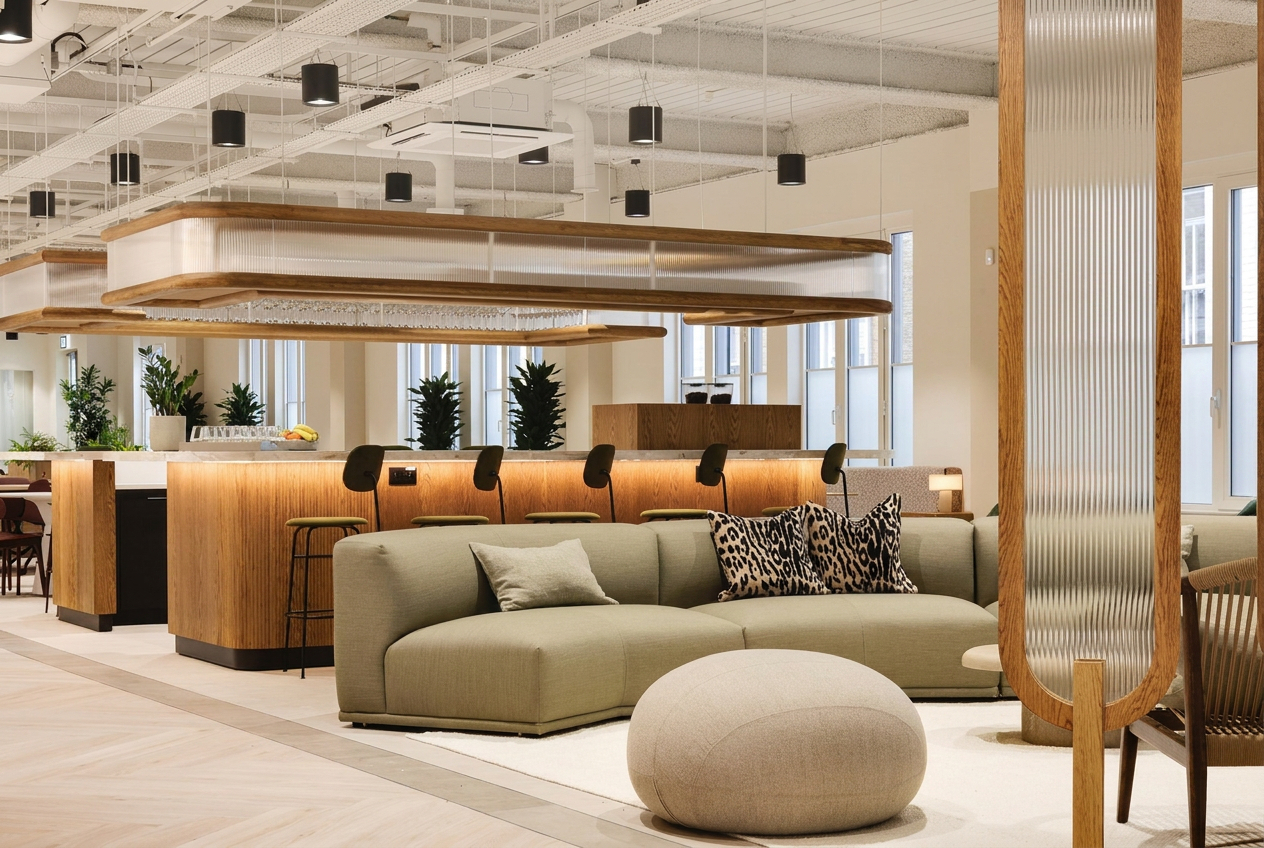
Flexible workspace operators are systematically underestimating meeting room demand, leading to lost revenue, member frustration, and missed opportunities to secure corporate clients. Six months of operational data from Vallist's Holborn location reveals a structural gap between how operators traditionally size meeting room inventory and how hybrid-era professionals actually use workspace.
Traditional approaches allocate meeting rooms based on private office inventory and expected utilization. For example, a 20-person office might include one four-person meeting room, with communal rooms on each floor for overflow. This worked when teams were in the office five days a week. Hybrid work has broken these assumptions. On the one or two days when the full team convenes, meeting demand spikes. “Teams are consolidating their collaborative work into fewer days when everyone is present together,” says Alex Passler, founder of Vallist and former Head of WeWork Asia Pacific and The Americas Real Estate teams. “They come in for the weekly coordination meeting where the full team gathers. That’s driving the elevated meeting room usage patterns we’re seeing.”
Detailed analysis of booking data at Vallist's Finlaison House revealed a specific gap: four-person meeting rooms consistently prove inadequate for hybrid team gatherings. Eight-person rooms better match actual hybrid team needs. Eight people represents the typical full team size for hybrid companies taking 20-person offices at Vallist. “Future locations will include eight-person meeting rooms as the standard in-office configuration,” Passler notes. “This eliminates the need for members to constantly book external meeting spaces and better serves how hybrid teams actually use workspace.”
The meeting room data points to a broader pattern. Companies are taking offices sized for 20 people while issuing access cards to teams of 30 to 50 who rotate through on different days. Meeting room demand correlates to total team size, not physical occupancy. Operators sizing inventory based on daily headcounts will consistently underestimate demand from corporate clients.
Vallist's response illustrates why design flexibility matters. The infrastructure at Finlaison House allows for conversion to additional meeting rooms as usage data accumulates. As occupancy approaches 80 to 90 percent, booking data will inform optimal allocation. Locking into fixed configurations based on pre-launch assumptions—and then discovering reconfiguration is expensive or impossible—is a risk the design was built to avoid.
Meeting room demand also creates revenue opportunities through thoughtful pricing and programming. Members requesting extra credits signal willingness to pay for expanded access. Tiered meeting room packages can generate incremental revenue. Day pass users and work club members booking rooms for client meetings represent a separate stream. Premium spaces with strong technology and hospitality support command significant hourly rates in central London. Communal rooms can serve event and programming functions, building community while generating additional revenue.
As Vallist evaluates expansion into U.S. markets, these operational findings will inform location strategy and design specifications. The patterns point toward clear design principles: eight-person rooms should be the minimum standard for in-office meeting spaces; communal inventory should be sized against total team populations; and infrastructure should allow for reconfiguration as usage patterns emerge. Operators who build adequate capacity will win corporate clients that others lose simply because they cannot accommodate the meetings those clients need to hold.