Flight Operations Software Revolutionizes Aviation Efficiency and Safety
Advanced flight operations management software is transforming aviation by enhancing flight planning precision, improving safety compliance, optimizing resource management, and reducing environmental impact through automated systems and real-time data analysis.
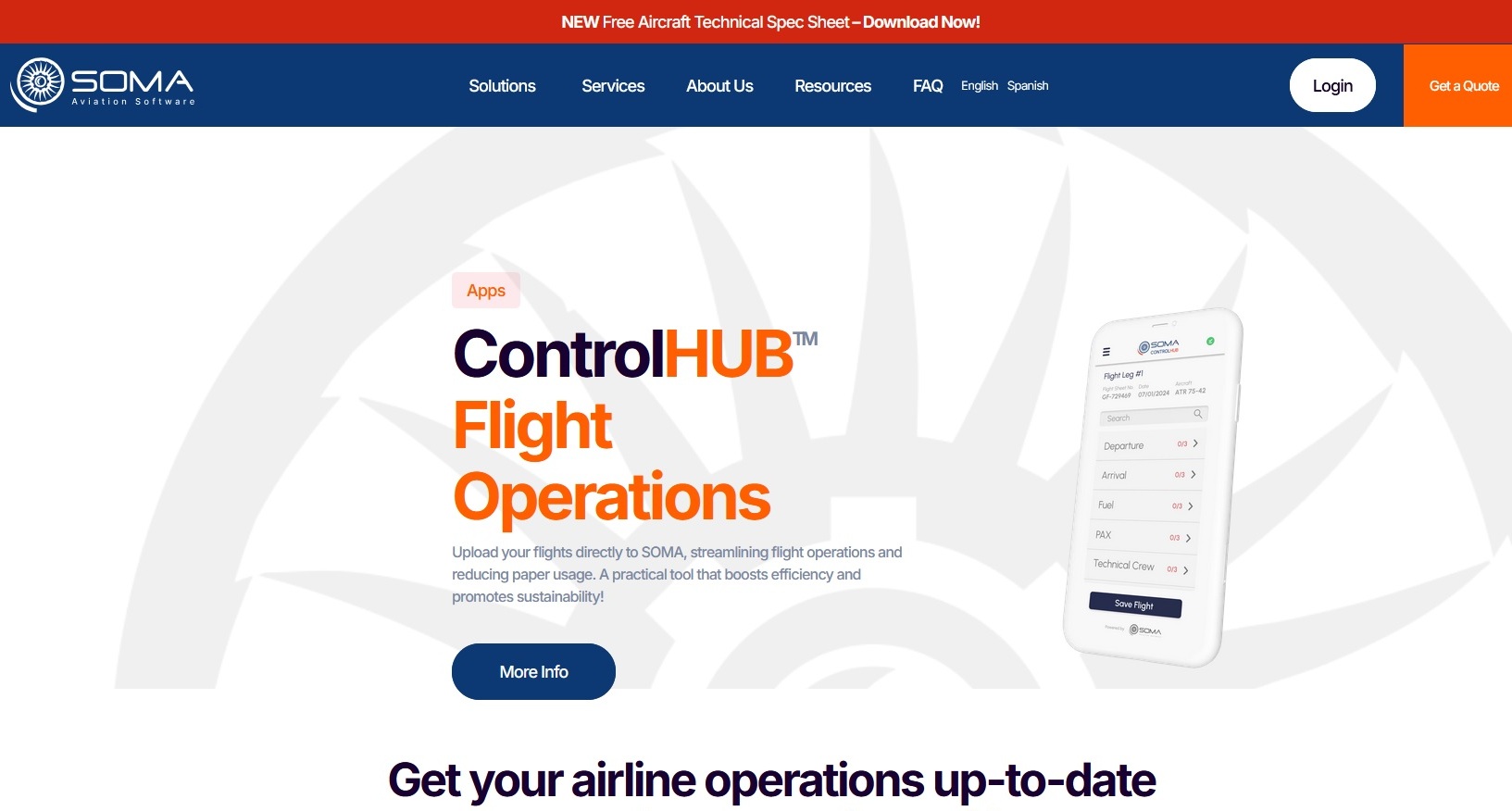
Flight operations management software has emerged as a critical technological advancement in the aviation industry, fundamentally transforming how airlines and aviation professionals approach flight planning and operational efficiency. This sophisticated software addresses multiple aspects of aviation operations, from scheduling and crew management to fuel planning and compliance tracking, making it an indispensable tool for modern air carriers.
The software's automation capabilities significantly reduce human error risks by handling complex calculations and providing access to real-time data, allowing pilots to focus on critical decision-making rather than administrative tasks. This shift not only saves valuable time but also enhances overall operational efficiency, particularly in high-pressure situations where accuracy is paramount for flight safety.
Safety and regulatory compliance receive substantial benefits from flight operations software, which continuously monitors and alerts users about compliance requirements. The system's ability to detect discrepancies immediately enables operators to address potential issues before they escalate, minimizing risks and maintaining passenger confidence while avoiding regulatory penalties that could disrupt operations.
Communication and collaboration among aviation teams have been revolutionized through centralized information platforms that connect pilots, ground staff, and control centers. Real-time updates facilitate immediate adjustments to flight paths when necessary, particularly crucial for responding to unexpected weather changes or air traffic conditions that require swift operational modifications.
Resource management optimization represents another significant advantage, with the software analyzing data to improve aircraft, crew, and fuel utilization. This data-driven approach results in substantial cost savings and reduced environmental impact while simultaneously enhancing on-time performance metrics that directly influence customer satisfaction and airline loyalty.
The environmental benefits extend beyond operational efficiency, as the software's ability to optimize flight paths and fuel usage contributes to lower emissions and reduced carbon footprints. This functionality aligns with the aviation industry's growing focus on sustainability, creating mutually beneficial outcomes for both business objectives and environmental responsibility.
Decision-making processes have been enhanced through advanced data analysis capabilities that provide valuable insights for aviation professionals. The software's ability to process historical data enables better forecasting and strategic planning, helping organizations anticipate and prepare for potential operational challenges before they materialize.
Training and development programs also benefit from integrated software solutions that utilize simulations and scenario-based practice environments. These tools support continuous learning and skill development for pilots and crew members, ensuring personnel remain current with evolving procedures and technologies while maintaining high safety standards.
The comprehensive impact of flight operations management software extends across multiple operational dimensions, making it an essential component for modern aviation enterprises seeking to improve efficiency, safety, and environmental performance while preparing for future industry challenges and opportunities.