FTC Sues Maryland Ticket Broker Over Alleged Bulk-Buying Scheme for Major Concerts
The Federal Trade Commission's lawsuit against Key Investment Group tests enforcement of the 2016 BOTS Act, highlighting ongoing challenges with ticket scalping and market manipulation in the live events industry.
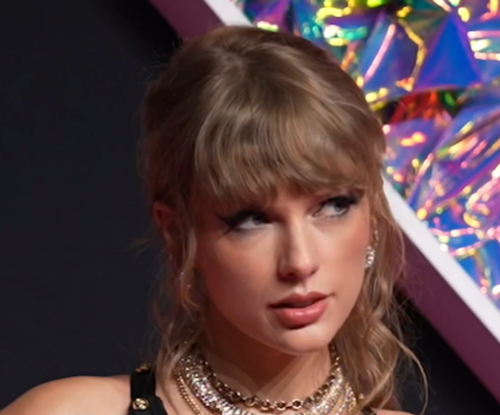
The Federal Trade Commission has filed a lawsuit against Maryland-based ticket reseller Key Investment Group, alleging the company deployed an elaborate scheme to corner the market on high-demand concert seats through thousands of fake accounts and technical workarounds. According to the complaint, the company acquired nearly 380,000 tickets between late 2022 and 2023, spending approximately $57 million and reselling them for roughly $64 million in potential violation of the Better Online Ticket Sales Act.
Regulators accuse the company of specifically targeting major tours including Taylor Swift's Eras Tour and Bruce Springsteen's 2023 stadium shows using automated tools to evade Ticketmaster's purchase limits. The case represents one of the first major tests of the 2016 statute, which has seen limited enforcement since its passage. Key Investment Group allegedly purchased more than 2,000 Swift tickets across 38 shows in 2023 alone, paying $745,000 and reselling them for nearly $2 million according to FTC calculations.
FTC Chairman Andrew N. Ferguson stated the action demonstrates the agency's commitment to policing ticket markets where anticompetitive methods harm consumers. The lawsuit emerges amid heightened scrutiny of the live-events industry by the Biden administration, targeting various stakeholders including ticketing platforms and venues. Swift's record-breaking Eras Tour has particularly highlighted fan frustrations with limited ticket availability and inflated resale prices in secondary markets.
Key Investment Group has previously disputed the allegations, calling the FTC's interpretation of the law flawed while defending its practices as consistent with industry norms. The company did not respond to requests for comment following the latest filing. The Better Online Ticket Sales Act was passed in 2016 following consumer complaints about inability to purchase seats for major events, specifically prohibiting the use of automated tools to circumvent purchase limits, though enforcement has remained sparse until this recent action.