GE Aerospace Achieves Milestone in Solid Fuel Ramjet Technology with Successful Supersonic Flight Tests
GE Aerospace's successful supersonic captive carry flight tests of its ATLAS solid fuel ramjet system represent a critical advancement in propulsion technology that could significantly enhance the range and performance of future munitions.
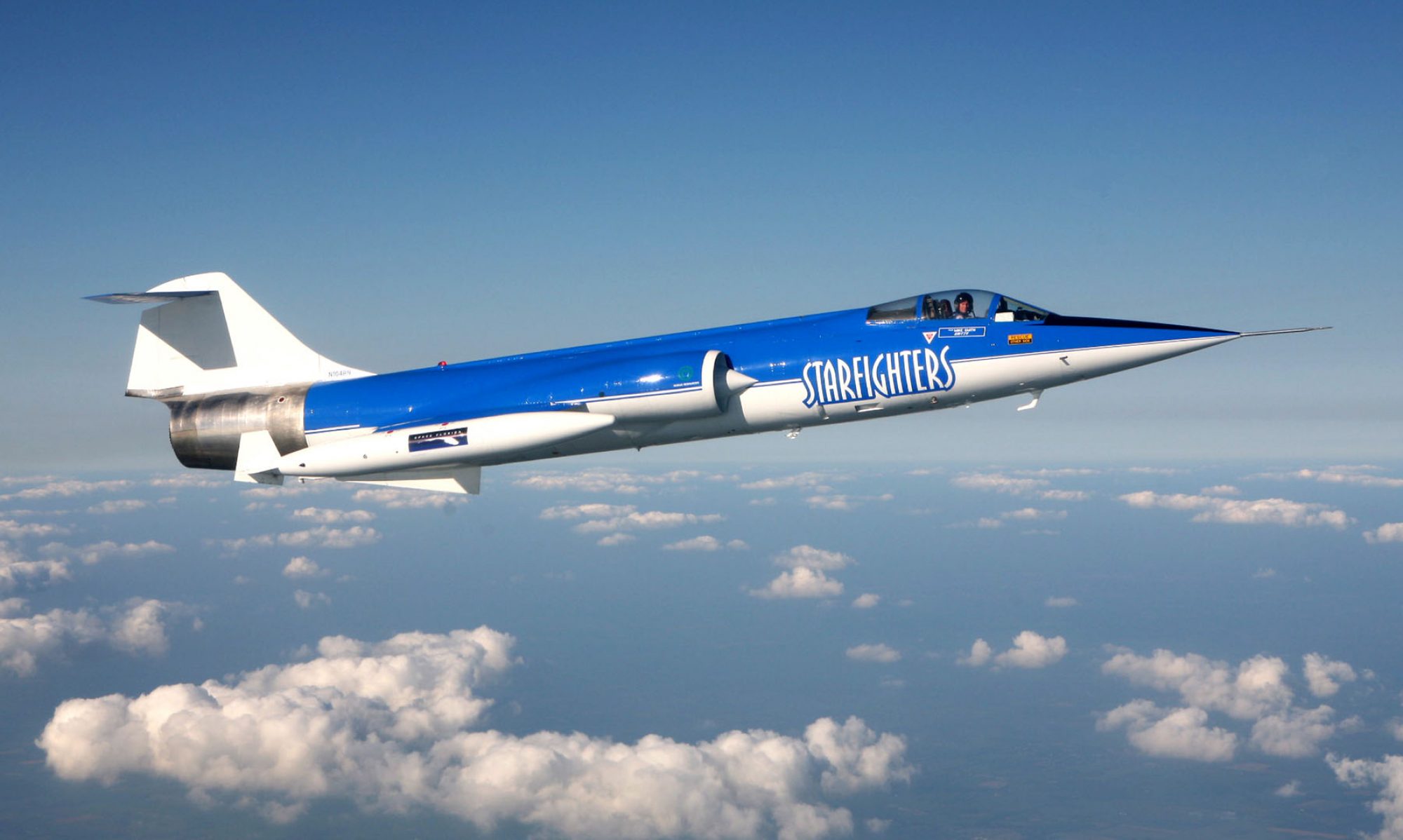
GE Aerospace has announced the successful supersonic captive carry flight tests of its Atmospheric Test of Launched Airbreathing System (ATLAS) Flight Test Vehicle, marking a major milestone in advancing solid fuel ramjet (SFRJ) propulsion technology. The achievement represents a pivotal moment for the company as it showcases this technology in flight for the first time, with significant implications for future defense systems requiring enhanced speed, range, and responsiveness.
The testing campaign included three successful flights where the ATLAS system was carried aloft on a Starfighters F-104 aircraft, reaching supersonic speeds. According to Mark Rettig, vice president & general manager of Edison Works Business & Technology Development at GE Aerospace, captive carry testing of reusable flight test hardware allows for more frequent testing in realistic atmospheric conditions to better understand system behavior. This approach provides essential insights that could accelerate the development of next-generation propulsion systems.
The ATLAS project received funding from the Department of War via Title III of the Defense Production Act, specifically aimed at scaling up air-breathing propulsion technology to extend the range of munitions. This government backing underscores the strategic importance of advancing hypersonic and high-speed propulsion capabilities for national security applications. The successful tests demonstrate progress toward making extended-range munitions more viable for future defense needs.
These flight tests represent just one component of GE Aerospace's broader investments in advanced high-speed and hypersonic propulsion technologies. The company's strategic moves include the 2022 acquisition of Innoveering to accelerate its hypersonics portfolio and significant test infrastructure upgrades announced earlier this year at its Evendale, Ohio; Bohemia, New York; and Niskayuna, New York facilities. These enhancements will enable higher-Mach, mission-relevant testing at a scale not previously possible, positioning the company at the forefront of propulsion innovation.
The implications of this technological advancement extend beyond immediate military applications. Successful development of solid fuel ramjet technology could influence commercial aerospace development and potentially lead to spin-off technologies for various high-speed transportation systems. As GE Aerospace continues to build on its century of innovation with approximately 53,000 employees worldwide, these tests demonstrate the company's commitment to pushing the boundaries of what's possible in flight propulsion technology. More information about the company's initiatives can be found at https://www.geaerospace.com.