Global Survey Reveals Strong Push to Abandon 'Anti-Aging' Marketing Language
A comprehensive international survey shows overwhelming support for eliminating the term 'anti-aging' in beauty marketing, with over 84% of women across three English-speaking countries favoring more inclusive language about aging.
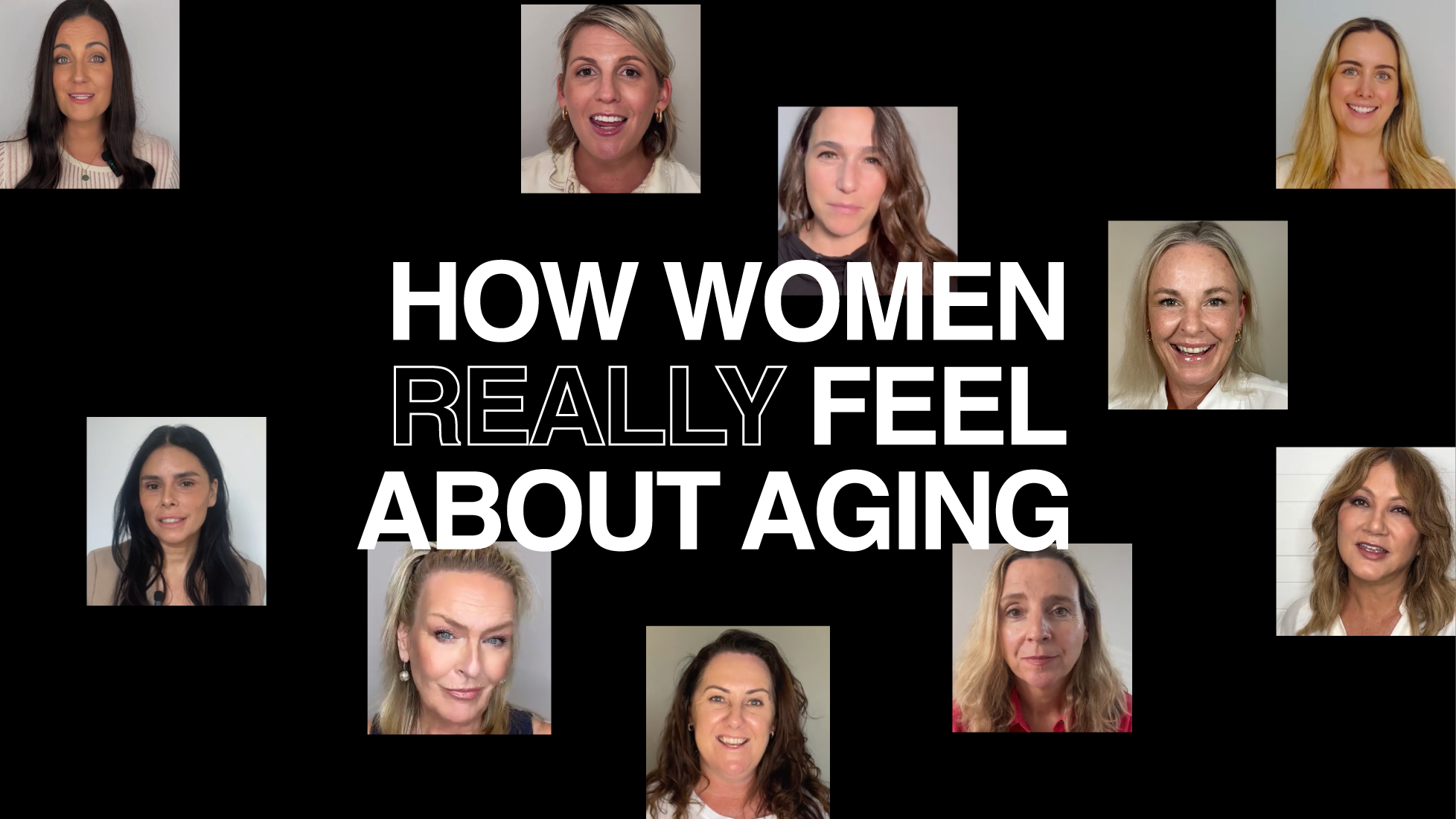
New survey data from beauty brand Wrinkles Schminkles reveals that women in the United States, Australia, and United Kingdom strongly reject the term 'anti-aging,' signaling a potential shift in how the beauty industry markets its products. The survey, which gathered responses from over 1,500 women aged 20-70, found that more than 84% of respondents across all three countries support abandoning the term.
The findings indicate deeper issues within the beauty industry's approach to aging. Approximately 55% of American women, 58% of Australian women, and 45% of British women report feeling pressured to constantly battle aging to maintain a youthful appearance. This sentiment is accompanied by conflicting emotions about aging itself, with roughly 60% of respondents across all three nations acknowledging aging as natural while still struggling with physical changes.
The survey's results could have significant implications for the beauty industry, which has historically relied heavily on 'anti-aging' messaging in marketing campaigns. Around 70% of respondents across all three countries expressed a desire for more positive and inclusive language in age-related beauty marketing, suggesting that brands may need to reconsider their messaging strategies to maintain consumer trust and relevance.
This shift in consumer sentiment comes at a time when the global anti-aging market continues to grow, valued in the billions of dollars. The strong rejection of traditional marketing language by consumers in major English-speaking markets could signal a broader transformation in how beauty products are marketed and sold, potentially affecting everything from product naming to advertising campaigns.