High-Volume Low-Speed Fans Transform Large Spaces with Energy-Efficient Comfort Solutions
High-volume low-speed fans are revolutionizing comfort in expansive environments by improving air circulation, reducing energy costs, and enhancing indoor air quality across diverse commercial and industrial settings.
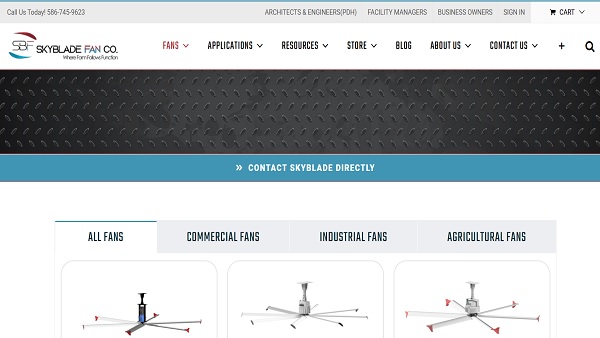
High-volume low-speed (HVLS) fans are emerging as a critical solution for creating comfortable environments in large open spaces, offering significant advantages in energy efficiency and air quality improvement. These large ceiling fans, ranging from 7 to 24 feet in diameter, operate at reduced speeds while moving substantial air volumes, making them particularly effective for regulating temperatures in expansive areas where traditional HVAC systems often struggle.
The primary benefit of HVLS fans lies in their ability to diminish temperature stratification, resulting in cooler and more uniform temperatures throughout large spaces. This makes them especially valuable in settings such as warehouses, gyms, event venues, and industrial facilities where maintaining consistent comfort levels is challenging yet crucial for occupant satisfaction and productivity. The technology addresses a fundamental need in commercial and industrial architecture where air circulation often becomes problematic.
Energy efficiency represents another major advantage of HVLS fan systems. These fans operate with significantly lower energy consumption compared to traditional HVAC systems while delivering superior airflow performance. This efficiency translates directly into reduced cooling costs for businesses and organizations, positioning HVLS fans as a sustainable option that can positively impact an organization's carbon footprint and operational expenses. The energy savings aspect makes them particularly attractive in today's climate-conscious business environment.
The versatility of HVLS fans extends across diverse settings including industrial facilities, recreational areas, agricultural buildings, shopping malls, sports complexes, and outdoor dining spaces. Their adaptability allows for various configurations tailored to specific spatial requirements and operational needs. This broad applicability demonstrates the technology's potential to address comfort challenges across multiple sectors and building types.
Beyond temperature regulation, HVLS fans contribute significantly to improved indoor air quality by facilitating better air circulation and reducing air stagnation. This helps prevent the accumulation of pollutants and allergens while promoting healthier atmospheres for occupants. The enhanced ventilation also aids in humidity reduction, creating more comfortable and healthier environments in spaces that traditionally suffer from poor air quality issues.
When implementing HVLS fan systems, several key considerations must be addressed including appropriate fan size and quantity based on space dimensions and ceiling height, noise level assessments to ensure conducive environments, and strategic positioning to maximize airflow efficiency. Proper planning and installation are essential for optimizing the benefits of these systems in various operational contexts.
The growing adoption of HVLS fan technology reflects a broader shift toward more intelligent and efficient environmental control solutions in commercial and industrial spaces. As organizations increasingly prioritize both occupant comfort and sustainability goals, these fans represent a practical investment that addresses multiple operational challenges simultaneously. The technology continues to evolve, offering new possibilities for creating comfortable, efficient, and healthy environments in large-scale settings.