Hong Kong Healthcare Events Generate Over 1,000 Business Matches, Highlighting AI's Role in Global Health
The Asia Summit on Global Health and Hong Kong International Medical and Healthcare Fair concluded with over 1,000 investment and business matching meetings and multiple MoUs, underscoring Hong Kong's role as a superconnector for healthcare enterprises aiming to go global.
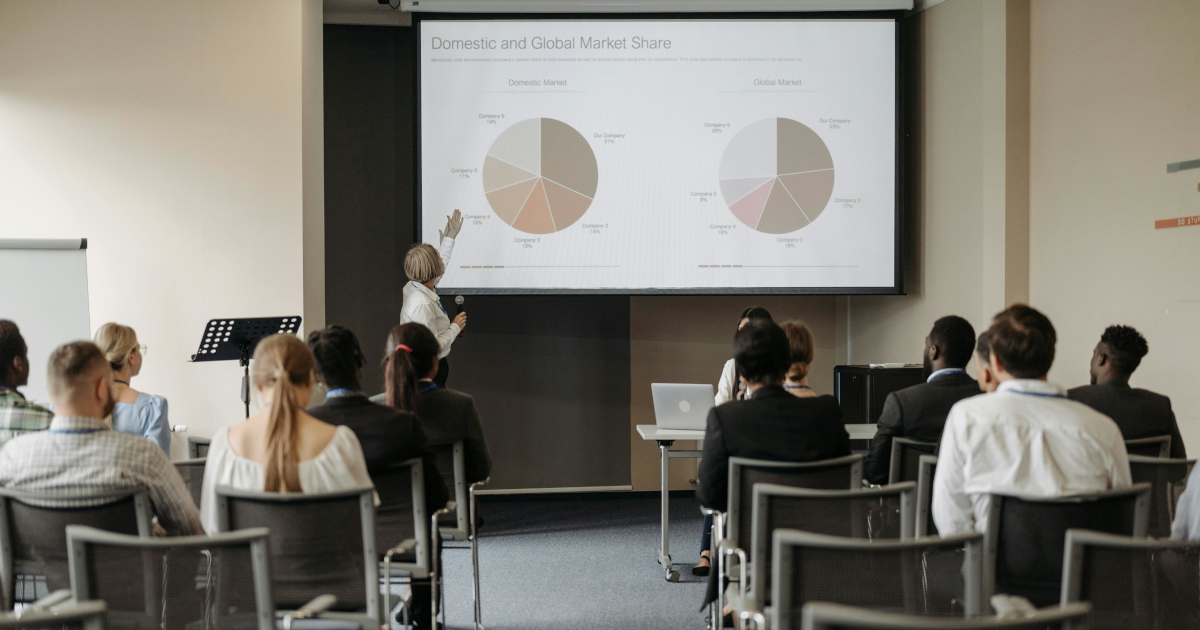
The sixth Asia Summit on Global Health (ASGH) and the 17th Hong Kong International Medical and Healthcare Fair concluded successfully, facilitating over 1,000 business matching meetings and signing multiple Memoranda of Understanding (MoUs) that support healthcare enterprises in expanding globally. The events, part of International Healthcare Week, drew thousands of participants from dozens of countries and highlighted the growing importance of artificial intelligence in healthcare.
Organised by the Hong Kong Special Administrative Region Government and the Hong Kong Trade Development Council (HKTDC), the ASGH gathered some 3,000 participants from 43 countries and regions. The summit arranged over 400 one-on-one deal-making meetings and facilitated the signing of 10 MoUs, including agreements between HKSH Medical Group and Siemens Healthineers, as well as Australian AI startup Heidi Health with EC Healthcare and Hong Kong Metropolitan University. These collaborations will drive AI-enabled healthcare applications and clinical research, reinforcing Hong Kong’s role as a bridge connecting the Chinese Mainland and international healthcare ecosystems.
Meanwhile, the Medical Fair, organised by the HKTDC and co-organised by the Hong Kong MedTech Association, welcomed some 13,000 buyers from 61 countries and regions. Over 670 business matching meetings were arranged, supporting buyers and exhibitors in identifying potential partners. The fair featured some 300 exhibitors from 10 countries and regions, with a focus on MedTech, GeronTech, and Preventive Healthcare. Exhibitors noted that AI has become a core driver of healthcare services, with many showcasing AI-integrated robots and smart medical devices.
Keynote speakers at the ASGH emphasised the urgency of healthcare innovation. Prof Ibrahim Abubakar of University College London stressed the need for research platforms to be developed long before pandemics. Jonathan Symonds, Chair of GSK, noted that ageing populations and chronic diseases are now economic problems, not just health system issues. Prof Michael Levitt, a Nobel Laureate in Chemistry, highlighted Hong Kong’s unique advantages in longevity research due to its high-quality statistical data.
The summit also featured sessions on AI’s transformative role in healthcare. Natasha Chhatrapati of Pfizer Inc. said AI is compressing timelines across drug development, clinical research, and patient care. Dr James Xue of CANbridge Pharmaceuticals noted that China’s large population base allows companies to build better drug candidates. The Silver Health chapter addressed challenges and opportunities from population ageing, with Dr Alex Mihailidis of the University of Toronto emphasising that successful technology for older people requires a strong service delivery model and supportive policies.
New this year was the “CSO Insights” session, where Dr Li Xiang of Fosun Pharma highlighted the importance of beginning with the end in mind in drug discovery. The GoGlobal CONNECT workshop provided practical insight on international expansion, with Prof Bernard Cheung of the Greater Bay Area International Clinical Trial Institute noting that Hong Kong’s 30-year electronic medical records are a unique asset for studying long-term disease progression.
The HKTDC also signed an MoU with the Hong Kong Singapore Business Association to support Mainland enterprises’ expansion into Singapore and ASEAN markets. This follows a visit by Singapore’s Prime Minister Lawrence Wong to Hong Kong in March, during which both governments agreed to deepen cooperation.
The Medical Fair concurrently saw numerous cross-regional collaborations. For example, Dresio Limited, a Hong Kong Science and Technology Parks exhibitor, signed an MoU with a Filipino buyer on the third day, with a contract value expected to exceed HK$1 million. First-time exhibitor PalmX Technology received over 20 enquiries from hospitals and healthcare institutions within two days. Buyers from emerging markets, such as Cambodia and Morocco, also secured sourcing opportunities, with one Cambodian doctor considering an order of 20 units of AI-powered medical imaging solutions.
Overall, the events demonstrated strong synergy between medical technology, investment, and industry applications, solidifying Hong Kong’s status as a global healthcare hub. The EXHIBITION+ hybrid model allowed continued engagement via Click2Match until 20 May. For more information, visit the Asia Summit on Global Health and Hong Kong International Medical and Healthcare Fair websites.