How to Get Affordable Dental Implants That Actually Last: A Guide to Balancing Cost and Quality
The article explores strategies for finding durable, cost-effective dental implants, emphasizing that prioritizing quality over the lowest price can prevent costly future repairs and ensure long-term success.
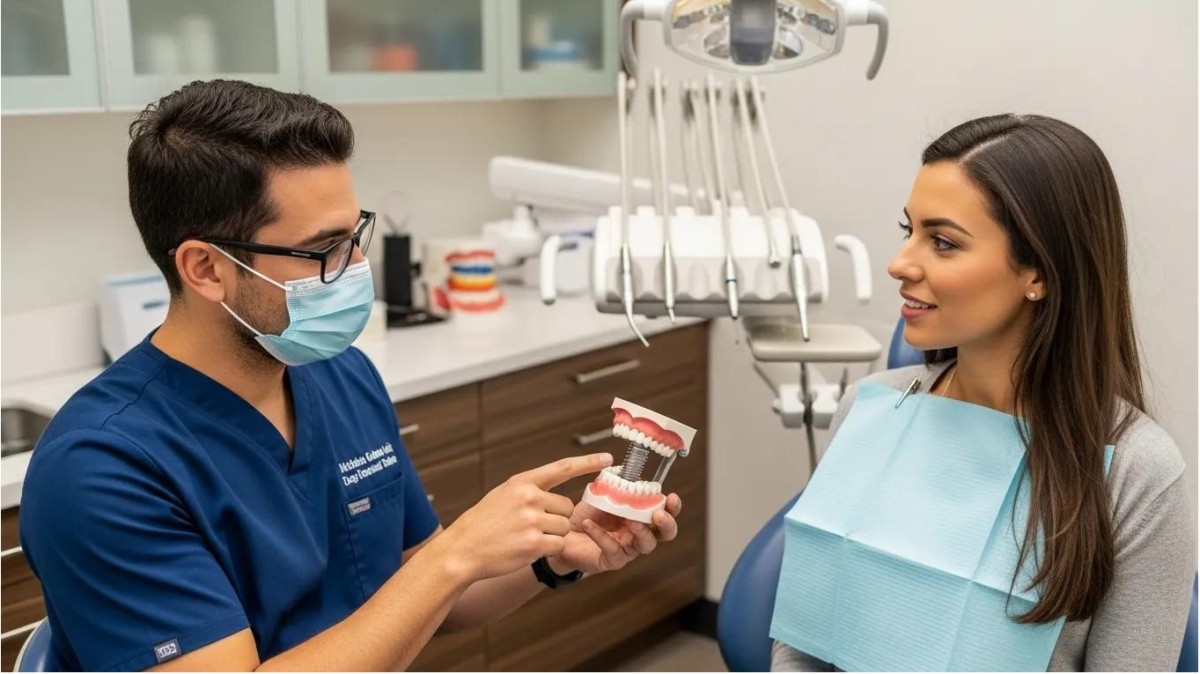
Dental implants have become a trusted solution for replacing missing teeth, offering a natural look and function that can last for decades with proper care. However, the challenge for many patients is finding affordable options that do not compromise on quality. While low-cost treatments may seem appealing, choosing the cheapest option without considering quality can lead to costly repairs or replacements later. Fortunately, it is possible to obtain affordable dental implants that actually last by understanding key factors and making informed decisions.
According to a guide by Granbury Denture and Implants, quality matters more than the lowest price. High-quality implants are typically made from biocompatible materials like titanium, which integrates naturally with the jawbone, and experienced dentists use advanced imaging for proper placement. Paying slightly more for quality treatment can save thousands in future corrections.
Several factors influence implant costs, including the number of implants needed, the implant system used, diagnostic imaging, bone grafting, the dentist's experience, and geographic location. Not every patient requires additional procedures, so obtaining a detailed treatment plan is essential. Comparing multiple providers is one of the most effective ways to find affordable implants. Requesting itemized estimates from different offices allows patients to see what is included in the quoted price. When comparing, consider the dentist's experience, patient reviews, implant brands, and success rates, as a slightly higher price may deliver better long-term value.
Financing options can make implants more accessible. Many practices offer monthly payment plans, third-party healthcare financing, low-interest promotional periods, or in-house payment arrangements. Spreading the cost over time can help patients afford higher-quality solutions. Additionally, checking dental insurance benefits is crucial. Some plans cover part of the procedure, extractions, crowns, or imaging services. Contacting the insurance provider for a detailed explanation of benefits can reduce out-of-pocket expenses.
Dental schools and teaching clinics offer another avenue for affordable treatment. Procedures are performed by advanced students under experienced supervision, and costs are often significantly lower than private practices. This can be an excellent option for those on a limited budget.
Patients should also ask about the implant system used and whether it has a strong track record. Established brands often provide better outcomes and easier access to replacement parts. The dentist's experience and training are equally important. Asking about the number of procedures performed, success rates, advanced certifications, and before-and-after cases can help identify a qualified provider.
Proper maintenance is essential for implant longevity. Daily brushing and flossing, routine dental cleanings, avoiding tobacco, and wearing a night guard if teeth grinding occurs can help implants last 20 years or longer. Common mistakes to avoid include choosing the lowest-priced provider without research, ignoring patient reviews, failing to ask about materials, skipping follow-ups, and neglecting oral hygiene. By balancing cost with quality, patients can enjoy a durable, natural-looking smile and make a smart investment in their health.