Innovation Emerges as Critical Driver for Next Generation Medical Technology
Medical technology innovation is transforming healthcare delivery through improved diagnostics, personalized treatments, and enhanced efficiency while addressing emerging challenges in patient care.
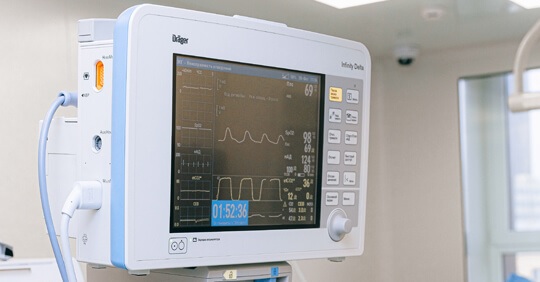
The healthcare industry's evolution increasingly depends on innovation to shape the future of medical technology, with new advancements proving vital for enhancing patient outcomes and delivering efficient care. Forward-thinking approaches in the medical field address evolving challenges while creating solutions that benefit both patients and providers across the healthcare ecosystem.
Better medical care stems from innovative tools and approaches that enable faster diagnosis, new treatment methods, and improved recovery monitoring systems. Medical professionals can provide significantly enhanced care while minimizing errors through advanced electronic medical devices that ensure accurate diagnoses and treatments. These technological improvements directly translate to improved patient outcomes, with individuals experiencing quicker recovery times, fewer complications, and substantially higher quality of life.
Healthcare efficiency receives a substantial boost from technological innovation, with medical workflows accelerating, budgets stretching further, and staff sharing vital information more rapidly. Hospitals and clinics benefit from prudent spending and maintained up-to-date patient records, enabling significantly better care delivery. The healthcare sector faces constant pressure from aging populations and rising chronic illnesses, making innovation crucial for maintaining robust systems that function effectively through all operational shifts.
Medical breakthroughs now enable highly personalized medicine, with significant advances in genetics and biotechnology allowing treatments tailored to individual genetic codes. This personalized approach boosts treatment effectiveness while reducing adverse reactions, ensuring patients receive care specifically focused on their unique needs. Diagnostic accuracy has also improved dramatically through artificial intelligence and machine learning applications that help doctors sift through extensive health records with remarkable speed and precision.
Collaboration across scientific, medical, and technological domains accelerates innovation, with combined expertise leading to robust solutions for complex health challenges. Teams working together share knowledge and resources, rapidly developing new tools that enhance patient care quality. Continued investment in research and development remains essential, as healthcare sector funding for new projects and startup growth often reveals the next significant technological breakthroughs.
Despite clear benefits, new technologies face adoption barriers including regulatory hurdles and resistance from medical professionals accustomed to established practices. Overcoming these challenges requires substantial investment in education and practical skills development, ensuring medical staff understand and embrace technological benefits. Ethical considerations remain paramount throughout innovation processes, with hospitals and clinics prioritizing patient privacy and safety through strict regulations for new health technologies.
The future of medical technology depends heavily on current innovative thinking and collaborative efforts within the healthcare sector. Strategic investment in advanced tools and ethical implementation practices keeps medicine progressing forward, ultimately benefiting patients through improved care quality and healthcare system efficiency for current and future generations.