Language Barriers Identified as Potential Factor in Maryland Hospital Safety Incidents
A personal account from a patient who experienced a 51-day hospital stay suggests that communication challenges among foreign-born healthcare staff may contribute to Maryland's rising medical errors, with data showing approximately 50,000 foreign nationals work in the state's healthcare system.
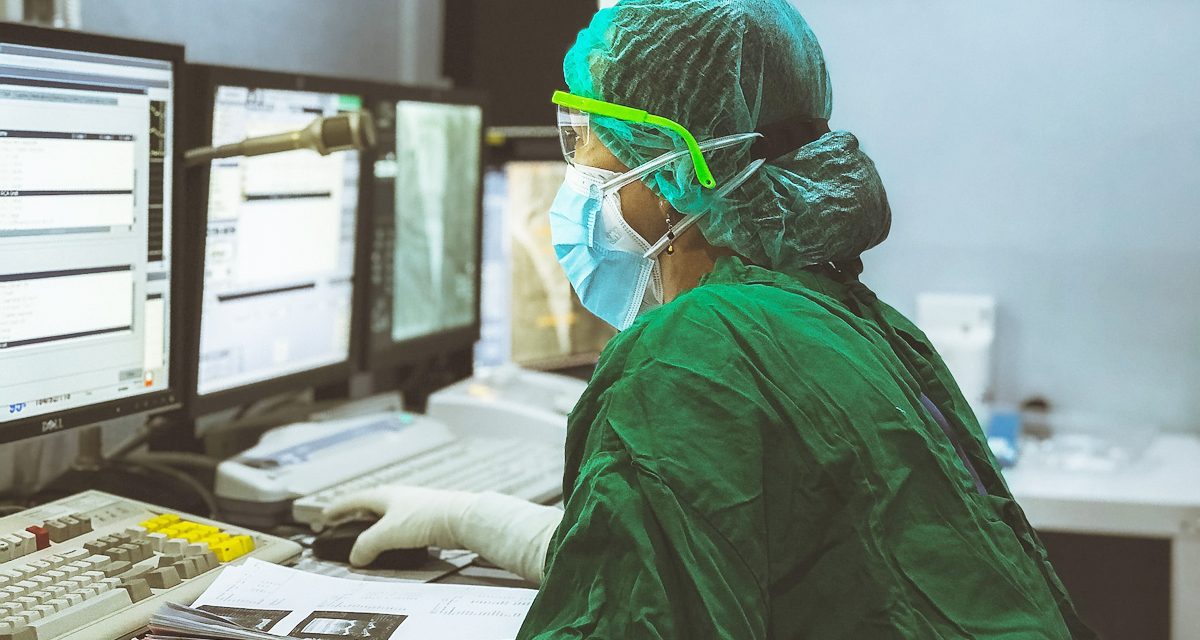
Medical mistakes in Maryland hospitals increased by 5% in fiscal 2023, according to the state health department's annual report on the Hospital Patient Safety Program released September 12. The report documented 808 most serious Level 1 incidents, with 49 resulting in patient deaths. Most serious injuries resulted from falls and pressure injuries such as bedsores, with the report attributing some of the increase to pandemic after-effects and personnel issues stemming from staffing shortages and stress.
While the official report identifies several contributing factors, one potential cause not mentioned involves communication challenges among healthcare staff. Approximately 50,000 foreign nationals are employed in Maryland's healthcare system, based on data from the U.S. Census Bureau's American Community Survey indicating that 26% of Maryland's healthcare workers are foreign-born. This estimate, derived from 2021 data and adjusted for current employment trends, suggests significant potential for language barriers in medical settings.
The communication issue becomes particularly relevant at institutions like Johns Hopkins Hospital in Baltimore, where approximately one-quarter of staff may speak English as a second language. A patient who underwent extensive open heart surgery and spent 51 days at the hospital observed that while overall care was excellent, communication challenges existed among nursing assistants, nurses, and doctors who didn't always speak clear, understandable English.
During the extended hospitalization, the patient witnessed multiple instances where medical instructions from doctors were misinterpreted by attending staff. While follow-up checks with physicians prevented actual mistakes in these cases, the potential for serious errors remained due to communication breakdowns. The patient emphasized that this observation isn't an indictment of foreign-born healthcare workers, who undergo rigorous training and certification processes, but rather highlights the critical need for clear communication in medical settings.
The implications for patient safety are significant, as clear communication understood by all team members is essential for successful medical outcomes. With Maryland's healthcare system relying heavily on foreign-born workers to address staffing shortages, ensuring effective communication becomes a patient safety imperative. Doctors who received medical training outside the United States and speak English as a second language also need to meet high communication standards when directing patient care teams.
As Maryland health officials continue investigating root causes of medical errors, communication challenges among healthcare staff represent an important area for consideration. The combination of staffing pressures and linguistic diversity in medical settings creates complex patient safety dynamics that require targeted solutions beyond traditional training approaches.