Leadership Development Critical for Organizational Resilience During Budget Constraints
Maryland's public institutions must prioritize leadership development during fiscal uncertainty to prevent long-term challenges like staffing shortages and reduced employee engagement.
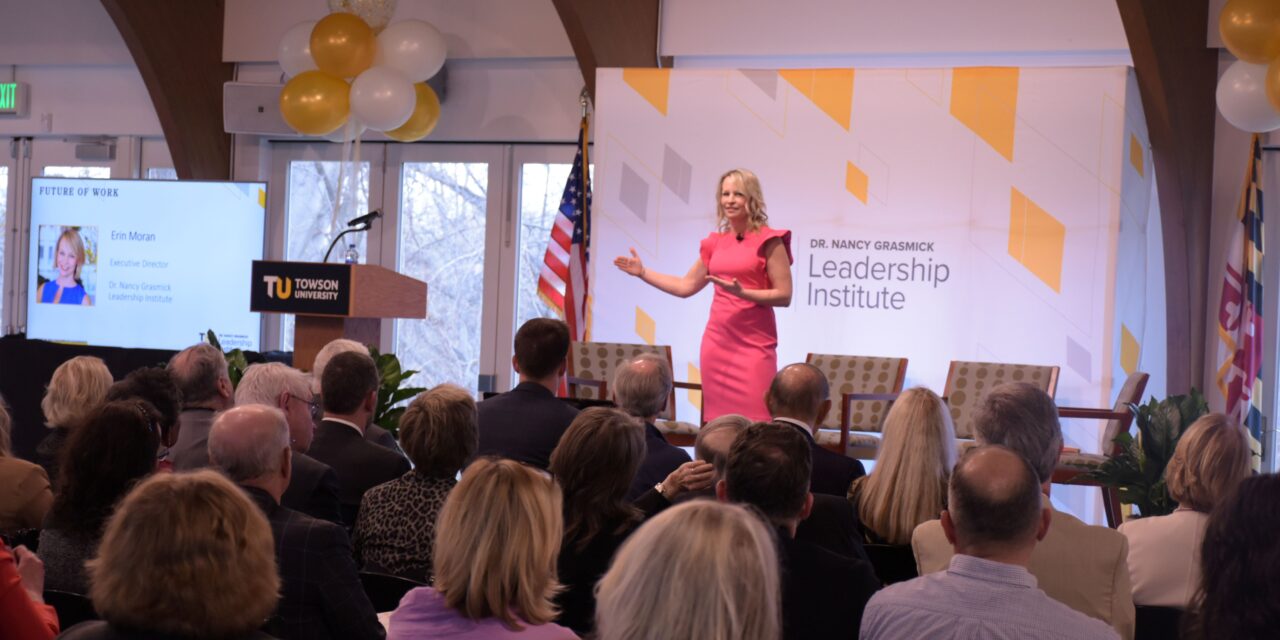
During periods of fiscal uncertainty, leadership development should be viewed as essential rather than optional, particularly as Maryland's public institutions face tighter budgets. Strong, well-prepared leaders become increasingly important in times of change, and scaling back development programs may provide short-term budget relief but creates long-term challenges including staffing shortages, reduced employee engagement, and difficulty meeting organizational goals.
Challenging circumstances increase the need for capable leaders at all levels, from senior executives to front-line supervisors, who must guide teams, maintain morale, and deliver results despite evolving demands. Without ongoing support and training, even dedicated professionals can feel unprepared for mounting responsibilities. Public sector leaders navigate hiring freezes, budget reductions, and greater accountability, making investment in leadership capacity crucial for reducing risks such as burnout, turnover, and disengagement.
The Dr. Nancy Grasmick Leadership Institute at Towson University demonstrates how well-designed leadership programs help agencies adapt and succeed under financial constraints. The Maryland Department of General Services partnered with the institute to provide training for mid-level managers, supporting succession planning and improving talent retention. This approach strengthened team communication and retained experienced staff during periods when other organizations faced higher turnover.
Leadership development need not be expensive or time-consuming, as organizations can support leaders through cost-effective methods including prioritizing mentorship and peer learning, offering targeted high-impact training focused on essential skills, building a culture of feedback, leveraging internal talent, and supporting well-being and resilience. These strategies help create a culture of support and knowledge sharing while reducing reliance on external hiring.
Supporting leadership development represents a practical investment in organizational resilience rather than an extra expense. As institutions move forward, this moment should be viewed as an opportunity to enable growth, adaptation, and long-term success through continued investment in developing capable leaders who can navigate challenging circumstances effectively.