LinkedIn Moodboards Transform Professional Profiles into Visual Narratives
LinkedIn's new moodboard feature allows professionals to create visually-driven resumes that showcase work through curated galleries, fundamentally changing how career stories are presented and understood in the digital age.
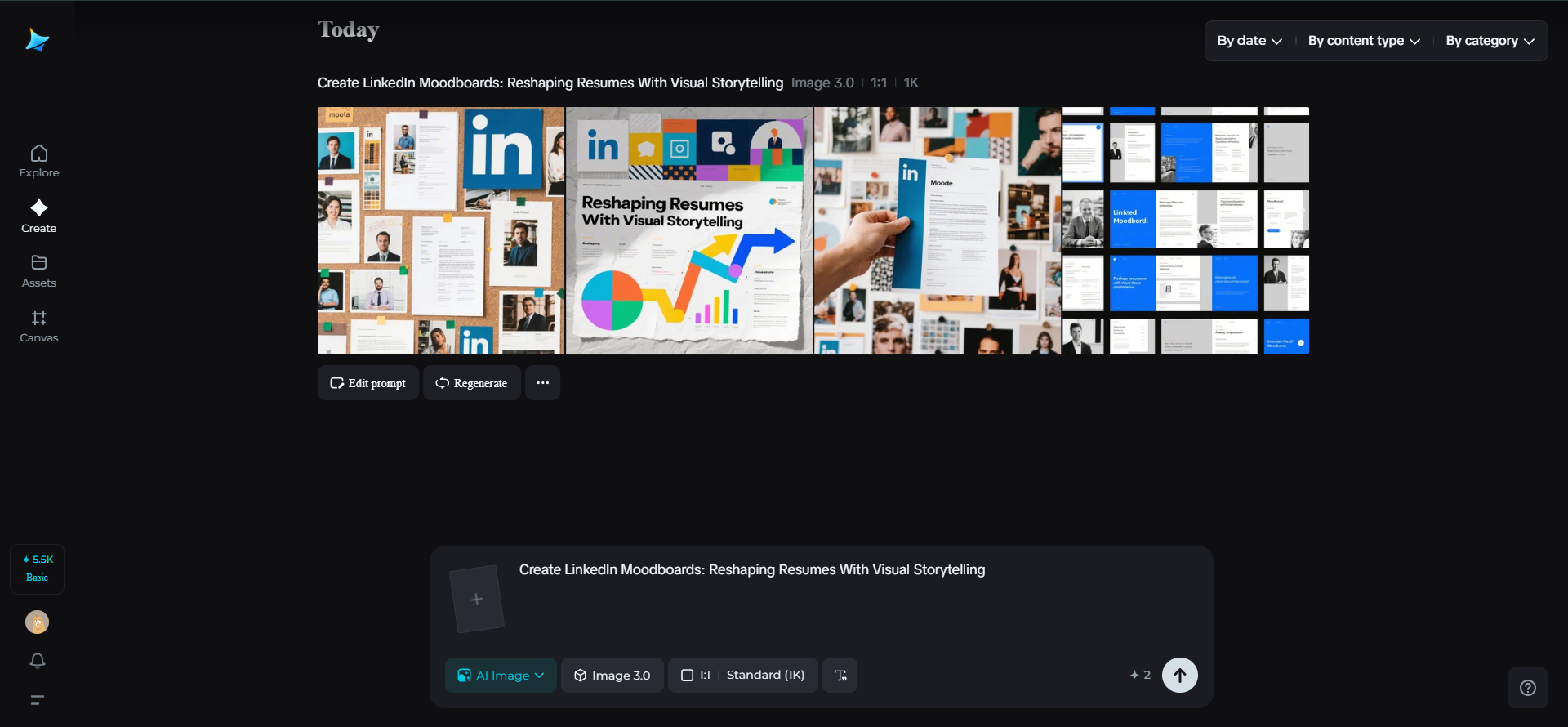
The evolution of professional resumes has taken a significant visual turn with LinkedIn's adoption of moodboard-style presentations, transforming traditional text-based CVs into dynamic galleries that showcase work through curated imagery and design elements. This shift represents a fundamental change in how professionals communicate their value proposition, moving beyond bullet points to demonstrate impact through visual storytelling that combines project stills, color swatches, and timeline markers.
The moodboard approach serves three critical functions: clarifying actual work accomplishments, making complex professional achievements easily scannable, and encouraging peer engagement through bookmarking, commenting, and content remixing. This visual framework operates on three layered planes—an anchor hero image representing the core role, evidence tiles showcasing 3-6 key artifacts with concise captions, and a context ribbon providing timeline and narrative cohesion. This structure allows passive viewers to grasp key information quickly while enabling engaged readers to delve deeper into specific accomplishments.
Professionals can leverage tools like Dreamina's AI photo generator to prototype hero images and test various atmospheres before committing to full layouts. The platform's sticker maker functionality further enhances visual storytelling by creating portable, shareable assets that extend reach beyond digital platforms. These visual elements work alongside traditional resume content rather than replacing it, amplifying professional narratives through the principle of "show, don't just tell."
The design philosophy emphasizes professional clarity while incorporating visual appeal typically associated with lifestyle platforms. Color schemes should utilize two neutral backgrounds with a single accent color, while typography requires strong sans-serif headlines paired with clean serif or neutral sans captions. This restrained approach ensures readability while maintaining visual interest, crucial for a platform where content consumption occurs primarily through mobile scrolling.
Distribution strategies include carousel posts for multi-image presentation, long-form content elaborating on visual elements, and cross-platform adaptation for Instagram and Twitter to drive traffic back to LinkedIn. The collaborative nature of moodboards makes them ideal for team-based projects, allowing multiple contributors to tag their involvement and create post-mortem artifacts that showcase multidisciplinary work. Engagement metrics such as saves, comments, and profile view spikes provide measurable indicators of a moodboard's effectiveness in communicating professional value.
This visual transformation represents more than just aesthetic enhancement—it fundamentally changes how professionals articulate their career journeys. By blending portfolio elements with traditional resume content, moodboards create scrollable artifacts that demonstrate process, authorship, and human context simultaneously. The approach positions professionals as thought leaders while making complex work more accessible and memorable to recruiters, peers, and potential collaborators in an increasingly visual digital landscape.