Lockheed Martin Faces $3.6 Billion in Charges as Fighter Jet Programs Decline
Lockheed Martin confronts significant financial challenges with over $3.6 billion in charges and diminishing fighter jet prospects, forcing strategic shifts toward missile defense and hypersonic weapons.
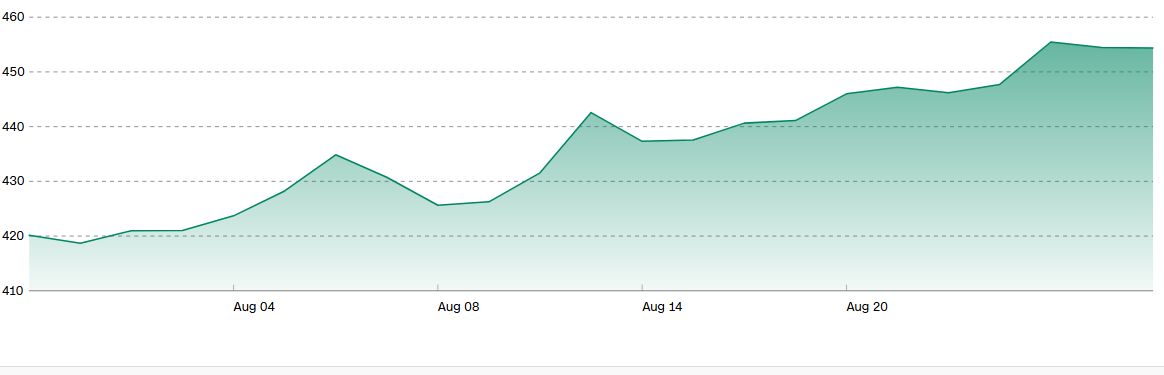
Lockheed Martin is confronting substantial financial pressures after recording more than $3.6 billion in charges over the past three quarters, raising concerns about its cost management on complex defense initiatives. The aerospace contractor, historically viewed as a disciplined operator, has encountered overruns on classified missile and aeronautics projects, underscoring the vulnerabilities of fixed-price contracts amid inflationary conditions.
The company's flagship F-35 program has emerged as a significant challenge. Software delays associated with the Technology Refresh 3 upgrade resulted in a yearlong delivery suspension and added over $1 billion in expenses. Concurrently, the Pentagon has reduced near-term fighter acquisitions by half, and crucial European allies are reevaluating orders, undermining the aircraft's export trajectory.
Compounding these issues, Lockheed failed to secure both the Navy's F/A-XX and the Air Force's Next Generation Air Dominance programs, marginalizing the company from the forthcoming phase of fighter development. These consecutive losses emphasize the difficulty in maintaining growth as U.S. and allied demand for manned aircraft transitions to other sectors.
Lockheed is increasingly relying on missile systems, hypersonic weapons, and its planned Golden Dome missile defense program. While these areas indicate consistent demand, the Golden Dome's architecture remains unspecified, restricting short-term clarity. Nevertheless, the company has maintained its $6.6 billion to $6.8 billion free cash flow projection for 2025, supporting shareholder returns despite pressured earnings forecasts.
For investors, the stock represents a wager on Lockheed's capacity to stabilize operations. Analysts perceive limited near-term upside, yet optimistic 2026 projections suggest potential share recovery if management controls expenses and leverages missile defense expansion. Inability to achieve this may render its strategic initiatives insufficient to counter diminishing fighter ambitions.