Maryland Comptroller Raises Competition and Transparency Concerns Over $300 Million IT Contract
Maryland Comptroller Brooke Lierman expressed significant concerns about competition limitations and lack of transparency in a $300 million IT contract approved by the Board of Public Works, questioning its impact on state agencies and local businesses.
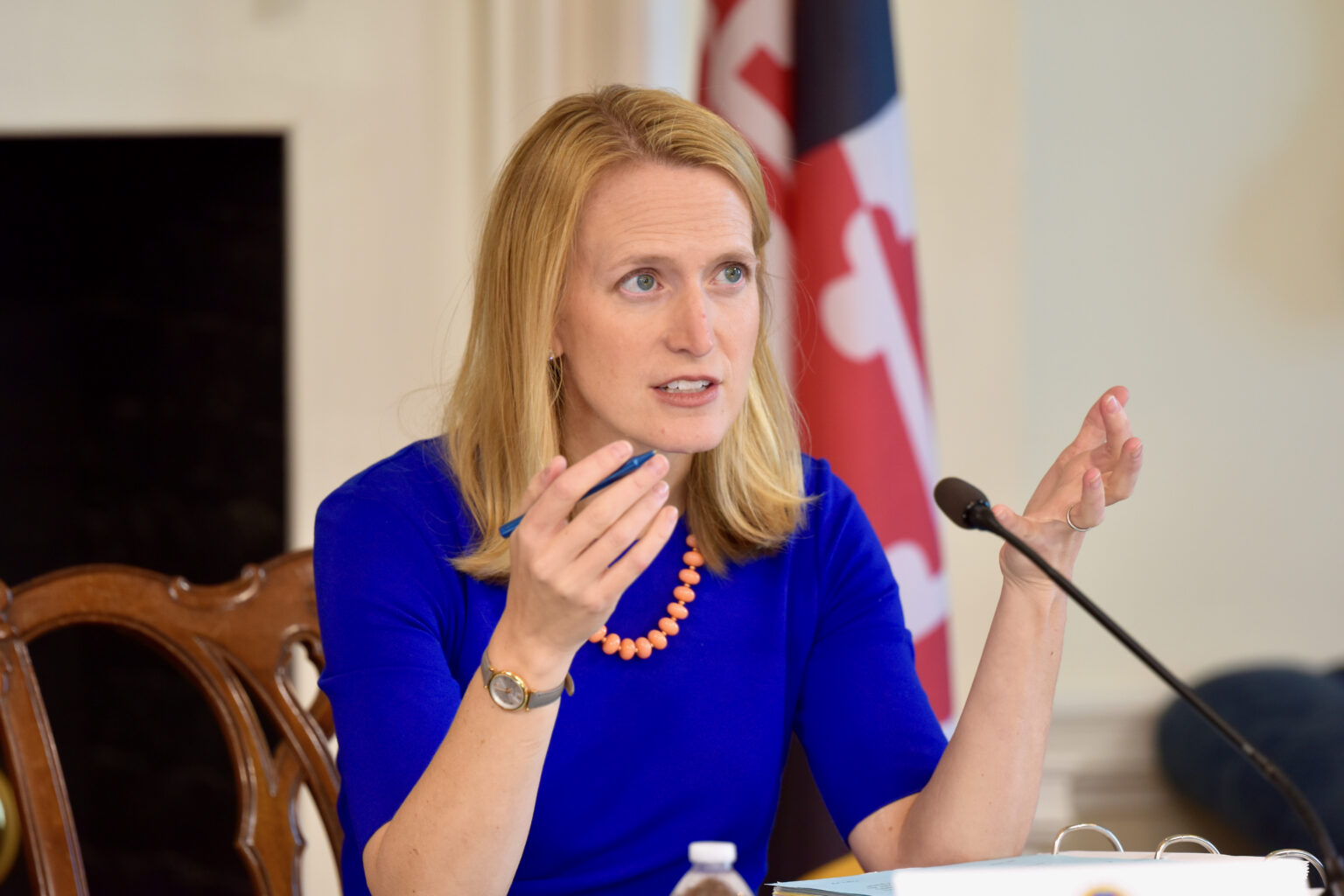
The Board of Public Works approved a $300 million IT contract despite concerns raised by Comptroller Brooke Lierman regarding transparency and potential disadvantages for Maryland businesses and state agencies. The nine-year contract establishes a pool of eight preapproved companies that will provide digital services to state agencies, with contracts awarded on a rotating basis between the companies.
Lierman questioned the contract's effects on competition and its costs to state agencies, noting that the deal would limit future review of high-dollar contracts by the board. Vendors have expressed frustration because when work is assigned on a rotational basis, they have very little agency over what work they're performing on the contract. If they decline a work order, they risk not being assigned another opportunity until the state works its way through the entire list.
The comptroller expressed concerns about this type of contracting vehicle moving forward and stated she hopes not to see similar arrangements in the future. The concerns were directed at Department of General Services officials who presented the contract to the board. The approval process and contract details can be found in the full coverage of the meeting.
This contract approval raises important questions about government procurement processes and their impact on both taxpayer dollars and business competition. The rotational assignment system potentially limits market competition and may not ensure that the most qualified vendor is selected for each specific project. Additionally, the reduced oversight for future high-dollar contracts could set a concerning precedent for transparency in government spending.
The $300 million commitment represents significant public funds that will be allocated through this contracting mechanism over the next nine years. The concerns expressed by the comptroller highlight ongoing tensions between efficient government procurement and maintaining competitive, transparent processes that benefit both taxpayers and local businesses seeking government contracts.