Maryland Democrats Warn Kimmel Suspension Threatens First Amendment Protections
Democratic lawmakers from Maryland are raising constitutional concerns about ABC's suspension of Jimmy Kimmel, warning it sets a dangerous precedent for government interference in free speech and press freedom.
Democratic members of Maryland's congressional delegation have issued strong warnings that ABC's suspension of Jimmy Kimmel Live! represents a significant threat to First Amendment protections. The controversy stems from Kimmel's recent monologue discussing the assassination of Charlie Kirk, which prompted the network to suspend the late-night host.
Representative Johnny Olszewski characterized the suspension as representing the type of censorship typically seen in authoritarian regimes. The political response has highlighted deep concerns about the potential erosion of free speech protections in the United States. Representative Jamie Raskin, a constitutional lawyer, emphasized on CNN that the First Amendment specifically protects speech that may be distasteful or offensive to others, stating that without this protection, the fundamental right loses meaning.
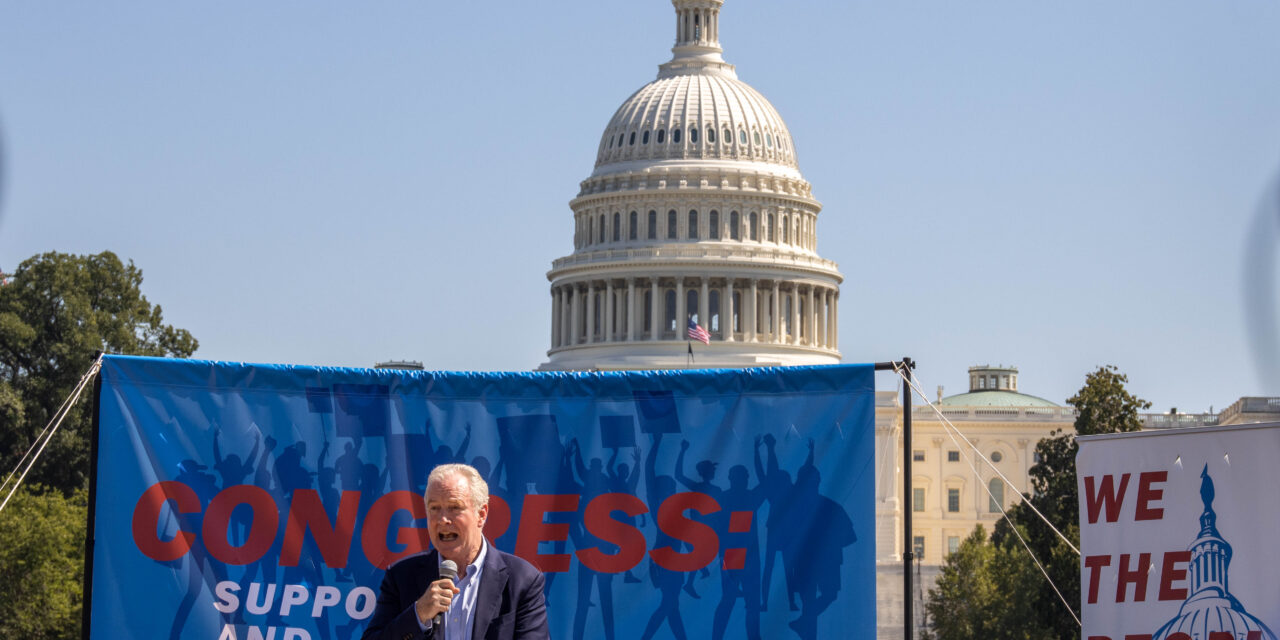
The situation has prompted legislative action, with Maryland Senator Chris Van Hollen joining other congressional Democrats to introduce the No Political Enemies Act (NOPE). This legislation aims to establish legal protections that would limit the federal government's ability to silence or retaliate against critics. Van Hollen expressed disappointment with ABC's decision during a rally near the Capitol, stating the network had buckled under pressure.
Democratic lawmakers expressed particular concern about the Trump administration's potential involvement in the matter. Representative Glenn Ivey suggested the suspension represented an administration effort to silence critics, while Representative Sarah Elfreth noted the troubling focus on targeting late-night television hosts instead of addressing pressing economic issues facing American families.
The controversy intensified when President Trump praised ABC's decision on Truth Social, suggesting further action might be taken against television programming critical of his administration. Federal Communications Commission Chairman Brendan Carr appeared to support this position, referencing the FCC's public interest standard and warning that stations demonstrating a pattern of news distortion risk losing their broadcasting licenses.
Several Democratic lawmakers have raised concerns about potential selective enforcement of FCC policies for political purposes. Ivey accused Carr of violating his oath and transforming the FCC into a censorship tool rather than an independent regulatory body. The situation has sparked broader discussions about the balance between media responsibility and constitutional protections, with lawmakers emphasizing that defending free speech remains a defining characteristic of American democracy.