Maryland Faces Health Insurance Challenges as Federal Tax Credits Expire and New Rules Take Effect
Maryland residents confront significant health insurance changes including premium increases due to expiring federal tax credits, new restrictions on DACA recipients, and upcoming enrollment deadline reductions that could impact coverage for hundreds of thousands of people.
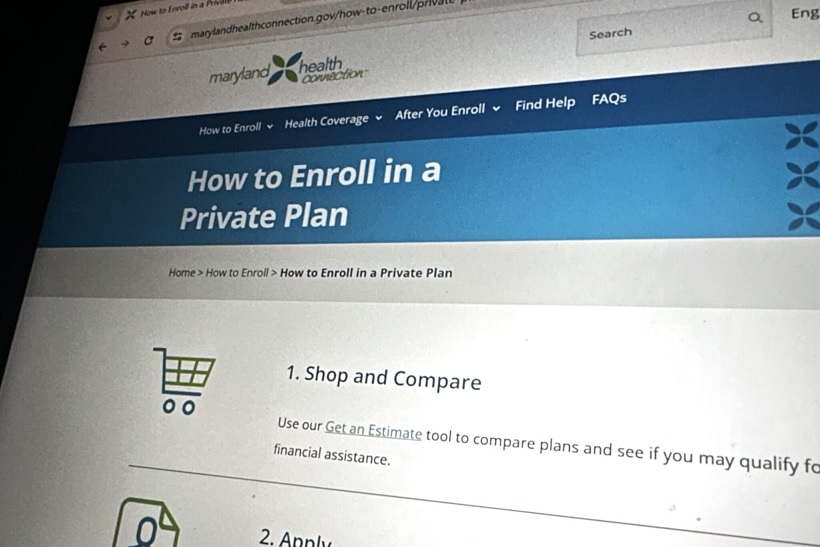
Maryland residents navigating the current health insurance open enrollment period face multiple challenges beyond just rising costs, with state officials warning that federal policy changes could create coverage barriers for many. The expiration of popular federal tax credits combined with new regulatory restrictions creates what Maryland Health Benefit Exchange executive director Michele Eberle describes as a "triple whammy" affecting approximately 300,000 Marylanders.
Enhanced federal tax credits established in 2021 to help people afford health insurance during the COVID-19 pandemic are set to expire at year's end, contributing to significant premium increases. Insurance carriers requested an average 17.1% rate increase anticipating enrollment losses if tax credits disappear, with the Maryland Insurance Agency ultimately approving a 13.4% average increase affecting all health benefit exchange participants. Maryland Health Secretary Meena Seshamani emphasized that raised premiums will "continue to be a problem if Congress does not take decisive action to extend tax credits."
While state subsidies will partially offset the impact for some lower-income residents, many enrollees will experience substantial cost increases. The General Assembly approved funding to replace expiring federal tax credits for the upcoming year, with full replacement for those under 200% of the federal poverty level and 50% replacement for those between 201% and 400%. However, state officials acknowledge these subsidies may be temporary given Maryland's fiscal challenges, leaving higher-income residents completely unprotected from premium spikes.
Additional complications arise from the Marketplace Integrity Rule from the Centers for Medicare and Medicaid Services, which revoked DACA recipients' access to the health insurance marketplace. This reversal of Biden-era policy affects approximately 300 DACA recipients in Maryland who had gained marketplace access during the last enrollment period. Approximately 18,000 lawfully present immigrants with incomes below 100% of the federal poverty level will also lose tax credits that previously made their coverage more affordable.
Eberle advises those facing potential coverage loss to address medical needs promptly, stating "If you need medical care now, go get it. Utilize your health benefits this year, and don't put off things that you might have been putting off for next year." Despite these challenges, some positive elements remain, including state subsidies for young adults aged 18-37 that help maintain a healthier insurance pool.
Looking ahead, significant enrollment changes loom for 2026 when the open enrollment window shortens from the current extended period to strictly November 1 through December 31. Eberle notes this reduction creates "another barrier to coverage" given holiday distractions and travel commitments that complicate insurance shopping. Additionally, automatic enrollment provisions will end in 2028, requiring manual renewal confirmation each year to maintain coverage.
With the current open enrollment period running through December 31 for January 1 coverage start dates (extending to January 15 for February 1 starts), state officials urge all Marylanders to carefully review their insurance options given the substantial changes affecting affordability and accessibility across the health care landscape.