Maryland Faces Multiple Challenges as Political Protests, Environmental Issues, and Infrastructure Concerns Converge
Maryland grapples with political divisions as 'No Kings' rallies draw thousands across the state while environmental restoration efforts face obstacles from private shoreline ownership and transit cuts limit accessibility for residents with disabilities.
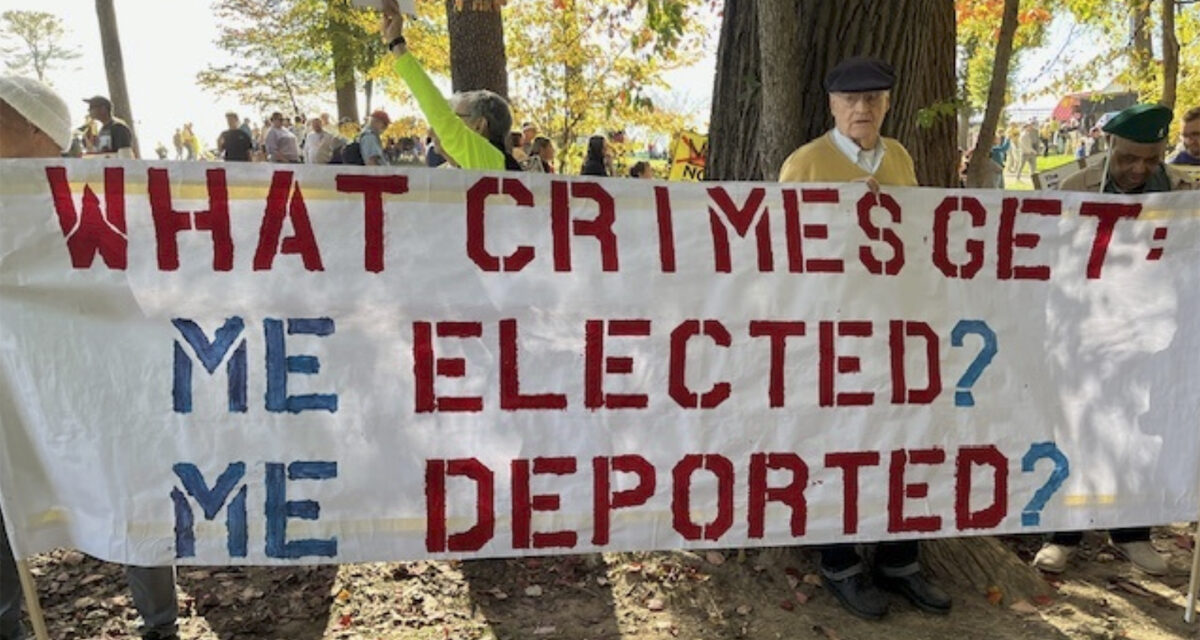
Thousands of Maryland residents participated in 'No Kings 2.0' protests across the state on Saturday, with demonstrators lining streets in Columbia, Towson, and other communities. The nationwide protests against President Donald Trump drew varied responses, including in Queen Anne's County where 62% of voters supported Trump in the previous election, yet several hundred people still gathered in Centreville's historic downtown. Towson University students moved their rally off campus after school officials announced they would vet speakers' names through federal government databases for security reasons.
Environmental restoration efforts face significant challenges as virtually all of the Chesapeake Bay's shoreline remains privately owned. This ownership structure means taxpayer-funded waterfront improvements often benefit properties that limit public access, creating tension between environmental goals and public enjoyment. The situation is particularly acute in Anne Arundel County, where only one of its 533 miles of shore is open for public swimming according to reporting from The Baltimore Banner.
Transportation cuts have created barriers for residents with disabilities in South Carroll, where fixed bus routes were reduced from nine to seven in 2022. The changes boosted service in Westminster but eliminated regular transit in South Carroll, leaving individuals like Owen Linville, who uses a wheelchair, with limited transportation options for commuting between work, school, and home. The demand-response buses' restricted schedules prevent many from accessing essential services.
Meanwhile, Maryland continues to push aggressively for electric school bus adoption, distributing millions in state and federal funds to roll out hundreds of vehicles across several school districts. In political developments, Treasury Secretary Scott Bessent has urged the International Monetary Fund to sell an elite country club it owns in Montgomery County, arguing the organization should return to its core mission. Annapolis mayoral candidate Robert O'Shea is proposing broad changes to city financing, promising innovative approaches to local governance issues in his campaign against Democrat Jared Littmann.
The state also mourned the passing of Delegate Charles Otto, a Republican representing the Lower Shore counties who was remembered by colleagues from both parties for his knowledge on agricultural issues and passionate advocacy for the Eastern Shore during his 14 years in the House of Delegates. House Speaker Adrienne A. Jones noted his unwavering dedication to District 38A constituents. These developments occur against a backdrop of ongoing political and social discussions across Maryland, reflecting the complex interplay between public policy, environmental stewardship, and community needs.