Maryland Faces Multiple Policy Challenges as Federal Job Losses Mount and Local Issues Demand Attention
Maryland confronts significant economic and social challenges including the nation's fastest federal job losses, contentious fishing regulations, and bipartisan political developments that signal shifting alliances in rural communities.
Maryland's workforce continues to shed federal jobs at the fastest rate in the United States, with economists uncertain about when the decline will bottom out. According to the U.S. Bureau of Labor Statistics, the state lost 2,500 federal workers in August alone, bringing the total reduction to more than 15,000 positions since January. This represents the largest decrease in federal employment nationwide, raising concerns about the broader economic impact on a state where government work has traditionally been a stable employment sector.
The economic uncertainty coincides with significant policy debates across the state. Eastern Shore watermen packed Chesapeake College this week to oppose draft striped bass regulations that would trim total removals by 12 percent in 2026. The proposed rules, presented by the Atlantic States Marine Fisheries Commission and the Maryland Department of Natural Resources, could also add more fishing closures, threatening the livelihoods of commercial fishermen who depend on the Chesapeake Bay's striped bass population.
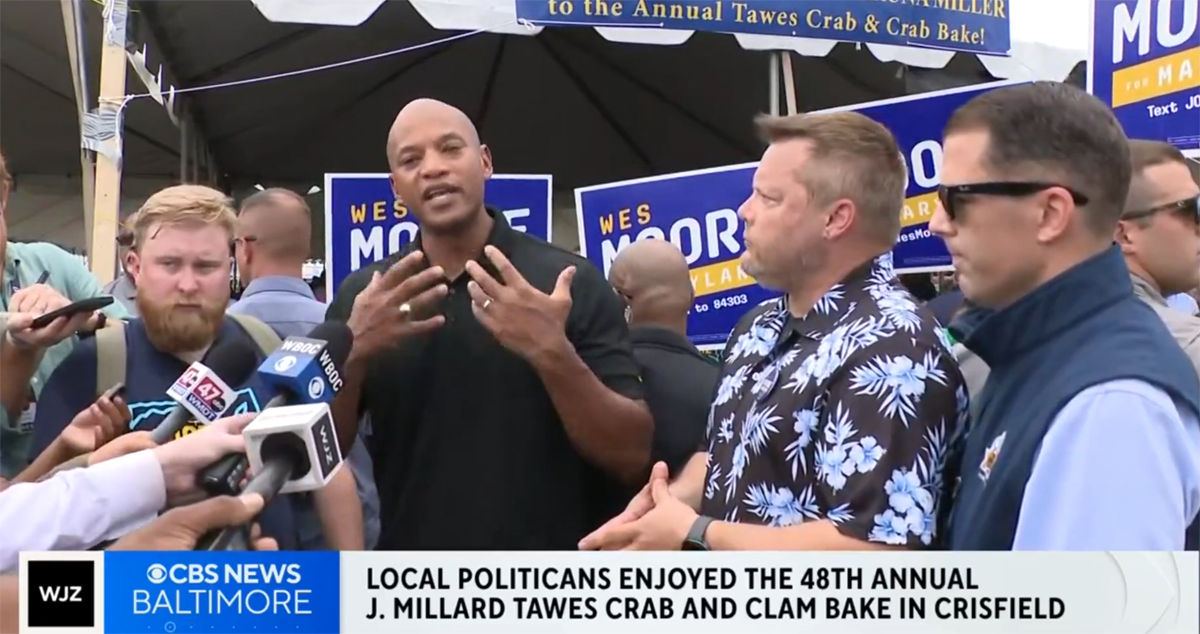
In a notable political development, six Republican local officials crossed party lines to endorse Democratic Governor Wes Moore for reelection. The endorsements came from mayors of small towns including Lonaconing, Westernport, and Rising Sun, communities with fewer than 5,000 residents each. Lonaconing Mayor Jack Coburn, a Republican for 27 years, explained his support stemmed from Moore's immediate response when the town's water treatment system failed in January 2023. The governor ensured residents had access to clean drinking water during his first days in office, demonstrating attention to rural communities that often feel overlooked by Annapolis leadership.
Meanwhile, Baltimore faces educational challenges as the City Council has failed to fund a promised study into why thousands of children are frequently absent from school. Nearly nine months after council members almost unanimously sponsored legislation to investigate the attendance crisis, the bill remains unfunded. Simultaneously, Baltimore County schools are confronting neglect in science education, with district officials reporting that science was not being taught to some of the most vulnerable student populations, according to test score analyses presented to the school board.
Legal developments may bring significant changes to consumer products, as safety label modifications for Tylenol and other acetaminophen products could lead to lawsuits claiming inadequate warnings about potential links to autism. The law firm of the late Peter Angelos suggests these label changes represent a game changer for potential litigation. Additional policy changes will benefit veterans and military members starting October 1, when over 400 new Maryland laws take effect, including the Health Equality for Service Members Act that alters provisions of Maryland Code to provide certain benefits to armed forces members.
Infrastructure improvements reached Smith Island this week as a $2 million effort brought high-speed internet and 5G cell service to one of Maryland's most remote communities, finally connecting all residents to modern telecommunications. However, other communities face restrictions, with Montgomery County canceling its second annual Hispanic Heritage Festival due to safety concerns amid increased federal immigration enforcement. The Frederick County Board of Education is also considering limits on free speech during public comment periods to address recent concerns about profanity and disruption at school board meetings.