Maryland Faces Surge in ICE Arrests, Offshore Wind Project Hurdles, and Climate Goals Challenges
Maryland experiences a significant increase in ICE arrests, faces regulatory setbacks for offshore wind energy, and struggles to meet its ambitious climate goals amidst national policy shifts.
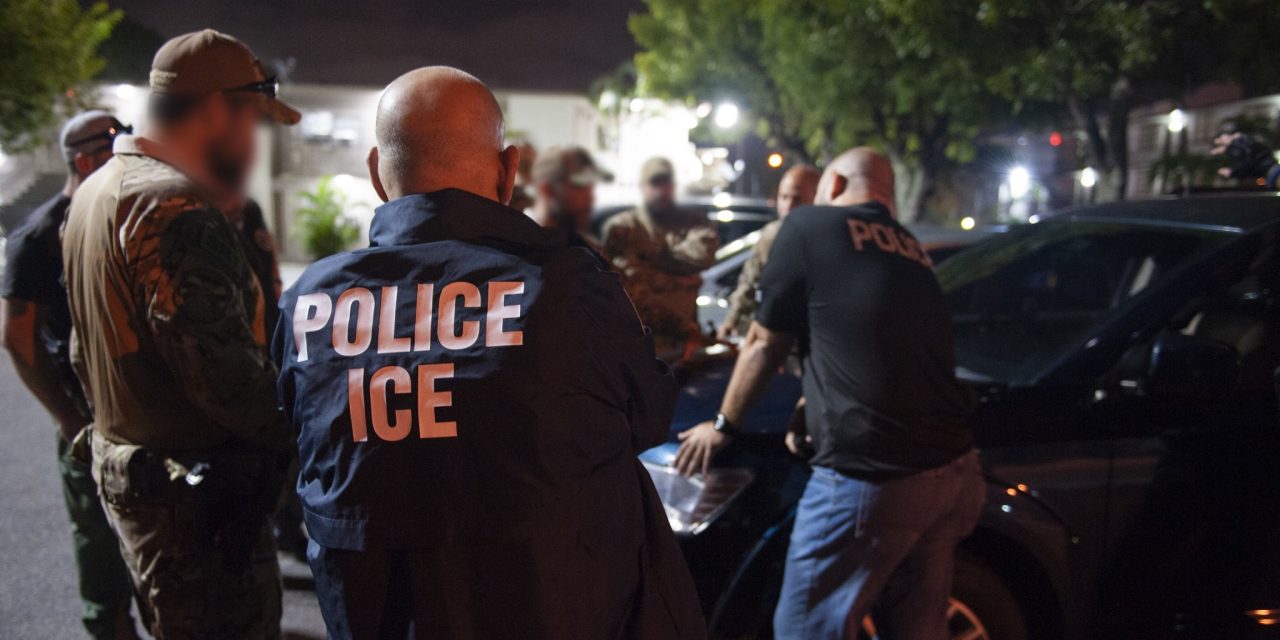
The recent surge in ICE arrests in Maryland highlights the intensified enforcement under the current administration, with records showing a more than doubling of arrests, impacting communities and families across the state.
In a setback for renewable energy, the EPA declared Maryland's air quality permit for an offshore wind project invalid, a move that aligns with broader national efforts to curb offshore wind development, despite the state's push towards cleaner energy sources.
Maryland's ambitious climate goals, including a 60% reduction in greenhouse gas emissions by 2031 and achieving net zero by 2045, are at risk as the state struggles to maintain progress, with emissions reductions stalling since 2020.
Governor Wes Moore's appointment of Ed Rothstein, a retired Army colonel and Carroll County commissioner, to lead the Maryland Department of Veterans and Military Families, marks a new chapter in the state's commitment to serving its veterans.
Amidst these developments, Maryland joins 24 other states in a lawsuit against the Trump administration over frozen education funds, while the Supreme Court's decision allows for significant cuts to the U.S. Department of Education, raising concerns about the future of federal education programs.
These events underscore the complex interplay between state initiatives and federal policies, with significant implications for Maryland's immigrant communities, energy future, environmental commitments, and educational funding.