Maryland Governor Moore Considers Congressional Redistricting Despite Senate Opposition
Maryland Governor Wes Moore is considering mid-cycle congressional redistricting despite opposition from Senate President Bill Ferguson, setting up a potential political confrontation that could impact Democratic representation in Congress.
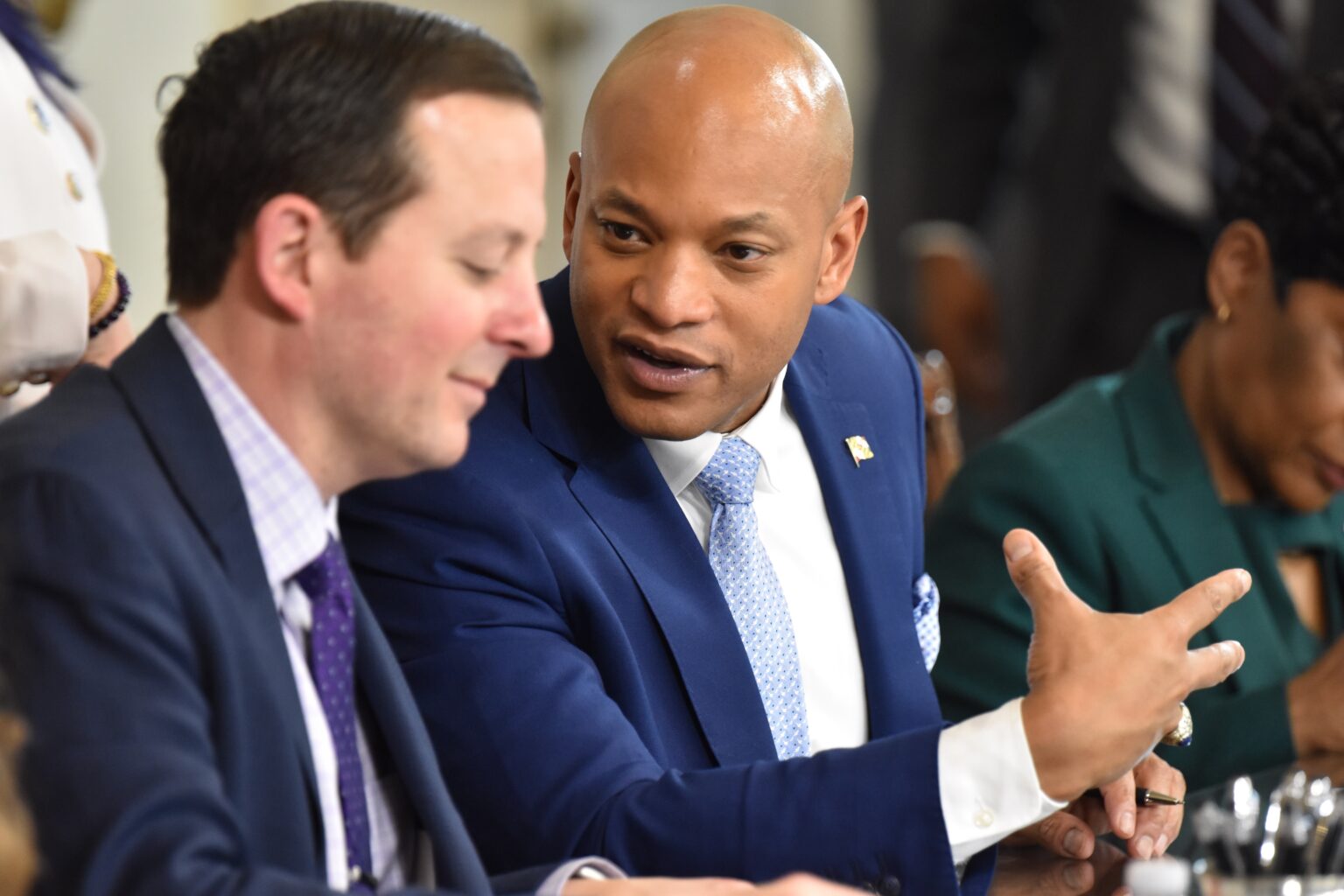
Maryland Governor Wes Moore is considering moving forward with plans to redraw the state's eight congressional districts, potentially calling a special session despite significant opposition from Senate leadership. The Democratic governor's push for mid-cycle redistricting sets up a confrontation with Senate President Bill Ferguson, who has publicly expressed concerns about the political risks involved.
Senate President Ferguson, in a letter to Senate Democrats, stated his opposition to redistricting during the middle of a decade, calling the approach "too risky" for Democrats. He warned that efforts to redraw congressional districts to gain one seat could potentially result in Maryland losing a Democratic seat instead. Ferguson argued that mid-cycle redistricting "twists rules for potential short-term advantage while undermining trust in institutions and ultimately, democracy."
The Senate President emphasized the broader political implications, noting that "at a time where every seat in Congress matters, the potential for ceding yet another one to Republicans here in Maryland is simply too great." He expressed concern that such a move could jeopardize Maryland's ability to counter what he described as "the radical Trump Administration" in congressional battles.
Governor Moore responded to the opposition by indicating his willingness to challenge Ferguson's position. "The General Assembly is a large body, so while I have read the Senate President's letter, I also know that one person cannot stop a process," Moore told reporters. This statement signals the governor's determination to pursue redistricting despite the Senate leadership's reservations.
The potential redistricting effort comes at a critical time when congressional representation carries significant weight in national political battles. With narrow margins in the House of Representatives, each seat holds substantial importance for both parties' legislative agendas and ability to shape national policy. The outcome of this internal Democratic party dispute could have lasting implications for Maryland's congressional delegation and its influence in Washington.
READ FULL ARTICLE HERE