Maryland Leaders Announce Crime Initiative Amid Federal Tensions and Election Concerns
Maryland officials are implementing a renewed state-city police collaboration to address crime while pushing back against federal election interference attempts and ensuring COVID-19 vaccine availability.
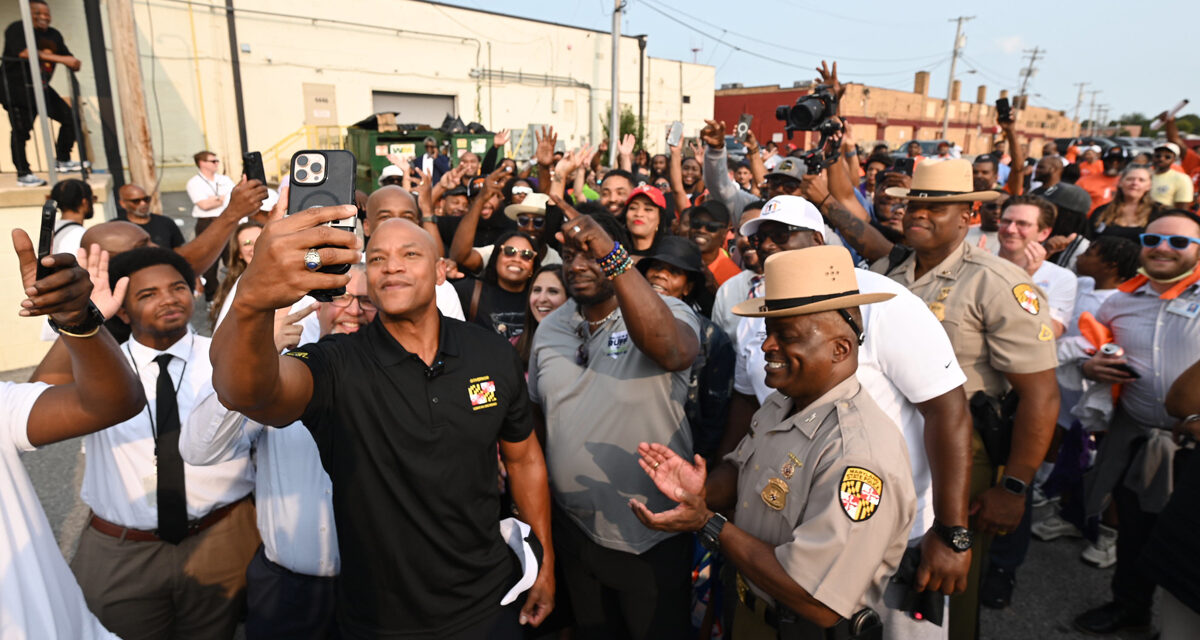
Maryland Governor Wes Moore and Baltimore Mayor Brandon Scott announced plans for a renewed collaboration between the Baltimore City Police Department and Maryland State Police on Friday. The announcement comes amid ongoing criticism from former President Donald Trump, who recently called Baltimore a crime hellhole and threatened to send National Guard troops into the city. Neither Moore nor Scott mentioned Trump by name during their announcement, but their remarks clearly responded to his charges against the city.
Meanwhile, Maryland elections officials are pushing back against what they characterize as Trump's attempts to intervene in how states run elections. State officials have spent years batting down false claims of voter fraud and bolstering Maryland's mail-in voting process. They argue that Trump's latest efforts will undermine confidence in the electoral process, while Maryland Republicans maintain these moves will help assure voters. The tension reflects broader concerns about election integrity and state autonomy in administering elections.
Governor Moore also addressed public health concerns, reassuring Marylanders that updated COVID-19 vaccines will be available this fall. In a statement Friday evening, Moore criticized what he called the federal government's rapid changes and unnecessary swirl around vaccine policy, warning that such instability could result in disastrous public health outcomes for Marylanders and all Americans. The governor's comments come as states nationwide prepare for vaccine distribution amid evolving federal guidance.
The state is also grappling with significant financial challenges due to federal cost shifts. States are scrambling to prepare for unprecedented shifts of costs and responsibilities under federal tax and spending plans, forcing difficult decisions about cuts to state programs to offset new financial burdens. Governor Moore emphasized that no state has the resources to make up for these changes, stating that the federal government is essentially telling states they are now on their own when it comes to funding critical programs.
Additional developments include the Maryland Department of Transportation releasing a new blueprint to expand and connect the state's transportation trail system with an emphasis on safety, accessibility and community development. The state also dropped its attempt to force hospitals to repay at least $120 million they owed to thousands of low-income patients who had qualified for free care but were charged anyway, quietly pulling the plug on the refund initiative this year without public explanation.