Maryland Misses Opportunity as U.S. Seeks Asian Shipbuilding Partnerships to Counter China
Maryland's failure to pursue shipbuilding partnerships with South Korea and Japan represents a missed economic opportunity despite the state's historic role in naval construction and current federal efforts to counter Chinese maritime dominance.
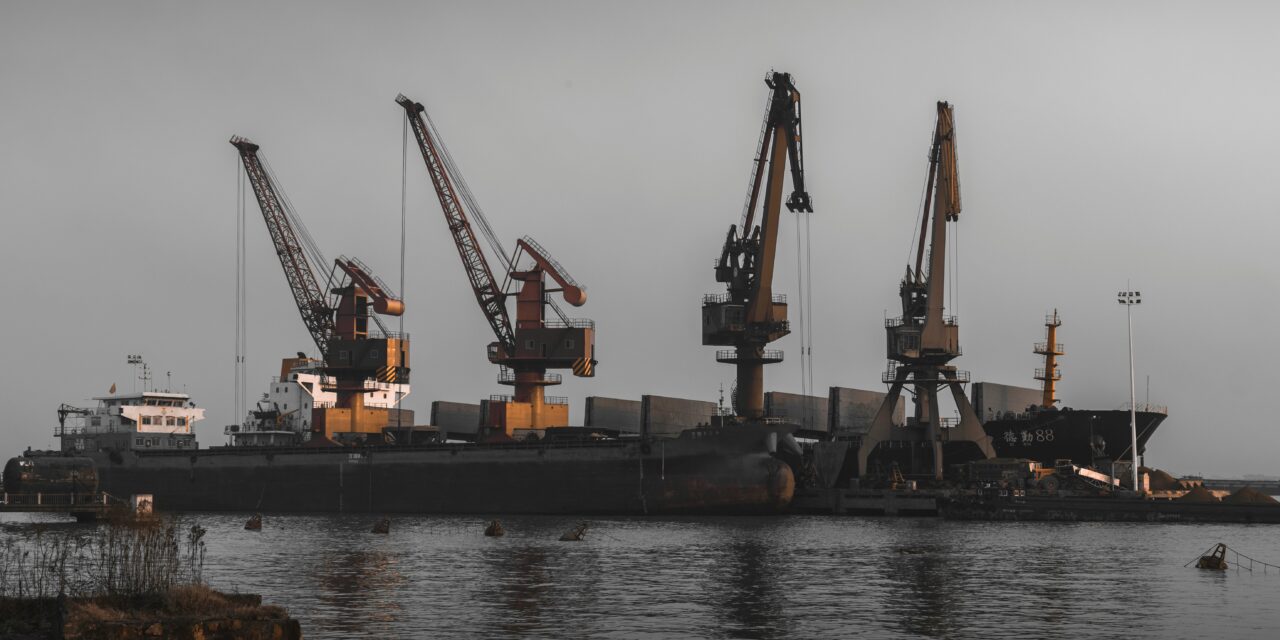
The United States is actively seeking shipbuilding expertise from South Korea and Japan to counter China's growing maritime influence, yet Maryland appears to be missing this significant economic opportunity. Senators Tammy Duckworth (D-Ill.) and Andy Kim (D-N.J.) recently traveled to Seoul to meet with top shipbuilders with the goal of forming joint ventures to construct and repair noncombatant vessels for the U.S. Navy in the Indo-Pacific region while bringing investments to American shipyards.
This development is particularly relevant to Maryland given the state's rich shipbuilding heritage during World War II. Maryland's shipyards played critical roles in the war effort, particularly in Baltimore, where several facilities operated under the U.S. Maritime Commission's Emergency Shipbuilding Program. The Bethlehem Fairfield Shipyard alone constructed 384 Liberty ships, 94 Victory ships, and 45 Landing Ship Tanks (LSTs) for amphibious warfare operations.
Other significant facilities included the Sparrows Point Shipyard in Baltimore County, the Key Highway Yards operated by Bethlehem Shipbuilding Corporation, and the Maryland Shipbuilding and Drydock Company located along the Patapsco River. These operations employed thousands of workers, including women and African Americans who gained access to higher-paying industrial roles due to wartime labor shortages.
The shipbuilding industry transformed Baltimore into a major industrial hub, with nearly a million residents by the war's end and substantial economic growth throughout the region. The current federal initiative to expand domestic shipbuilding capacity presents a similar opportunity for economic revitalization, particularly given Maryland's existing infrastructure and historical expertise in naval construction.
Despite this potential, Maryland's leadership has not actively pursued these emerging partnerships, raising concerns about missed economic development opportunities. The state's historical success demonstrates that shipbuilding could once again become a major contributor to both national defense and local economic prosperity, potentially addressing budget shortfalls and creating thousands of skilled manufacturing jobs throughout the Baltimore region.