Maryland Political Leaders Navigate Redistricting, Food Assistance Crisis Amid Federal Shutdown
Maryland faces critical decisions on congressional redistricting and emergency food funding as the state joins legal action against the Trump administration's suspension of SNAP benefits during the federal shutdown.
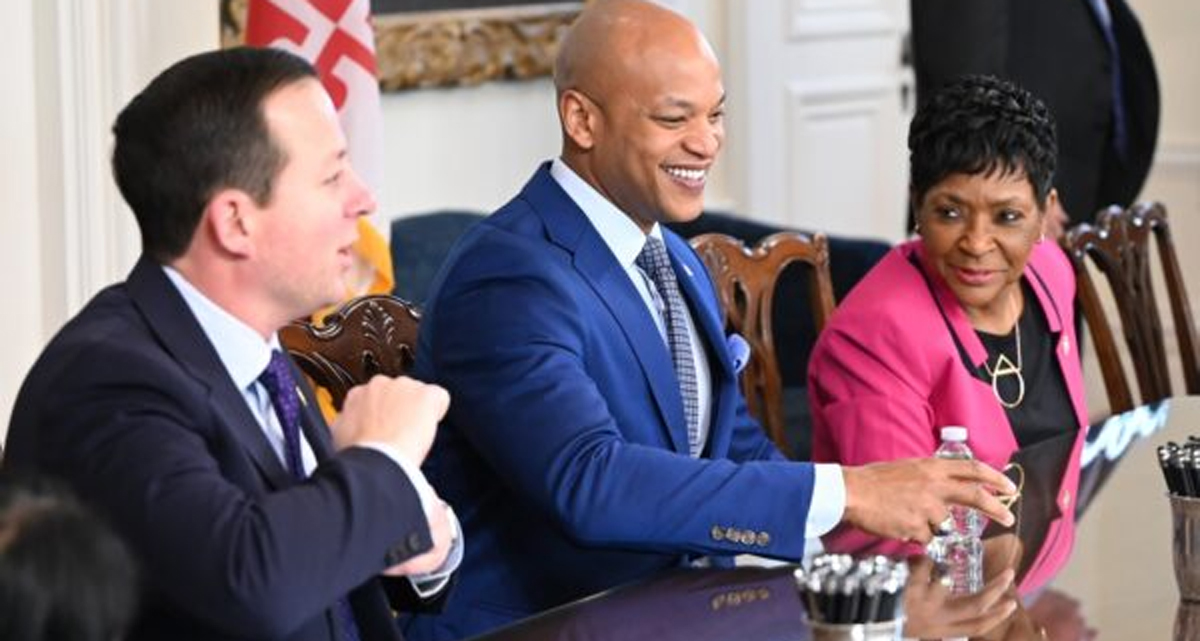
Maryland's political landscape is facing multiple challenges as Senate President Bill Ferguson has refused to convene a special session for congressional redistricting, while Governor Wes Moore considers tapping the state's Rainy Day Fund to address an impending food assistance crisis. Ferguson's decision comes amid pressure from fellow Democrats to redraw district boundaries that could potentially unseat Maryland's lone Republican congressman, but the Senate President cited concerns about joining what he described as a national "redistricting arms race."
The redistricting standoff coincides with a more immediate crisis affecting hundreds of thousands of Maryland residents who depend on federal food assistance. Maryland Attorney General has joined 24 other states and the District of Columbia in filing a lawsuit against the Trump administration over its decision to suspend Supplemental Nutrition Assistance Program benefits. The legal action targets the U.S. Department of Agriculture and its secretary, Brooke Rollins, alleging that the temporary defunding of SNAP is unlawful despite the department holding $6 billion in reserve funds.
Governor Moore faces difficult choices regarding emergency funding for food assistance programs that are running out of federal money. While the governor has expressed reluctance to dip into the state's $3.5 billion cash balance, he has another option for emergency funding: the state's $2 billion Rainy Day Fund. This potential solution comes as the USDA's refusal to provide November benefits contradicts precedent from other recent government shutdowns and even the department's own September 30 contingency plan that indicated contingency funds would be used to continue benefits through shutdown periods.
The impact on Maryland residents could be severe, with LaMonika Jones of Maryland Hunger Solutions warning that the USDA's decision "will jeopardize millions of Americans across the country, but especially the more than 680,000 Maryland residents who are relying on their benefits to restart in November as well as to carry us through the holidays." The situation has prompted local responses, including Baltimore Mayor Brandon Scott's announcement of $4.6 million in aid to city residents affected by the federal shutdown.
Meanwhile, other state issues continue to demand attention. Maryland cattle farmers are expressing concerns about President Trump's plan to import beef from Argentina to address record prices, with Allegany County farmer Jessica Williamson stating that such imports would dramatically hurt American beef producers. The state's Department of Human Services is facing scrutiny after violating its own four-day-old directive prohibiting foster children from staying in unlicensed facilities overnight, highlighting ongoing challenges within the embattled agency.
Local governance issues also remain prominent, with Baltimore County Councilman Izzy Patoka calling for an independent investigation into the county police department's traffic stop practices following revelations about disproportionate stops of Black drivers. In Montgomery County, planners are recommending policy changes to boost construction of multifamily housing as production struggles, with more than 23,000 unbuilt multifamily units awaiting construction. Frederick County Executive Jessica Fitzwater emphasized diversity and inclusion as fundamental to the "Frederick way" during her annual State of the County address, acknowledging the difficulty of having hard conversations while maintaining commitment to engaging with diverse perspectives.