Maryland Political Leaders Targeted by Bomb Threats Amid Rising Safety Concerns and Financial Audit Reveals $360 Million in Unauthorized Federal Charges
Maryland faces a dual crisis of political violence targeting state leaders and a major financial scandal involving $360 million in unauthorized federal project charges, highlighting systemic safety and accountability issues.
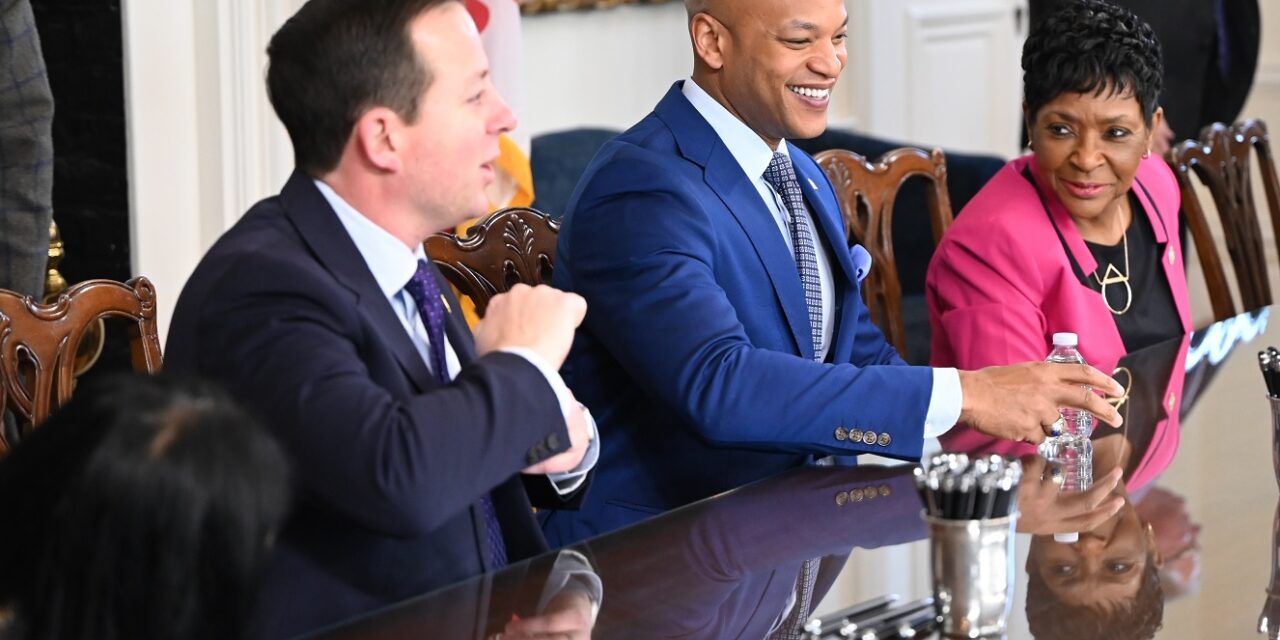
Maryland's top legislative leaders, House of Delegates Speaker Adrienne A. Jones and Senate President Bill Ferguson, were targeted by bomb threats involving their homes on Thursday, reflecting growing concerns about political violence nationwide. The threats against both Democratic presiding officers occurred amid heightened security awareness following recent incidents targeting public officials.
Lawmakers in Maryland and on Capitol Hill are expressing increased despair and safety fears following recent violent events, with many describing a sense of resignation about the persistent threat environment. The concerns extend beyond elected officials to educational institutions, where students at schools across Maryland, including Towson University, continue to process recent shooting incidents.
Governor Wes Moore emphasized the importance of rejecting dehumanizing language and modeling peaceful engagement during this period of heightened tensions. His comments come as political leaders face growing pressure to address the increasingly volatile political climate and ensure public safety.
Simultaneously, a state audit revealed that the Maryland State Highway Administration knowingly charged nearly $360 million in unauthorized expenses to federal projects in an attempt to conceal a deficit in the state's Transportation Trust Fund. According to the audit findings published by Maryland Matters, the agency improperly classified project expenditures as federally funded without proper authorization, potentially leaving the state responsible for repaying $358.7 million.
The financial misconduct represents a significant accountability failure within state government operations. The audit findings, first reported by WMAR 2 News, indicate systematic attempts to mask budgetary shortfalls through improper accounting practices involving federal funds.
These developments occur alongside other security incidents, including a shooting at the U.S. Naval Academy that left a midshipman injured and triggered a campus lockdown. The incident began when the academy implemented security measures in response to anonymous threats from a former midshipman, resulting in a law enforcement response that led to the accidental shooting of a sheltering student.
The convergence of security threats against government officials and substantial financial irregularities within state agencies underscores broader challenges facing Maryland's governance structures. The bomb threats against legislative leaders, combined with the highway administration's financial misconduct, highlight vulnerabilities in both physical security and fiscal accountability systems.
As state officials address these concurrent crises, the situations emphasize the need for enhanced security protocols for public officials and improved financial oversight mechanisms within state agencies. The incidents collectively demonstrate how security concerns and accountability issues can simultaneously impact government operations and public trust.