Maryland's Voting Rights Challenge Highlights Ongoing Struggle for Electoral Access
As the Voting Rights Act marks its 60th anniversary, Maryland faces critical tests to its electoral integrity, with lawsuits and policies threatening to disenfranchise Latino, Black, naturalized citizen, and working-class voters.
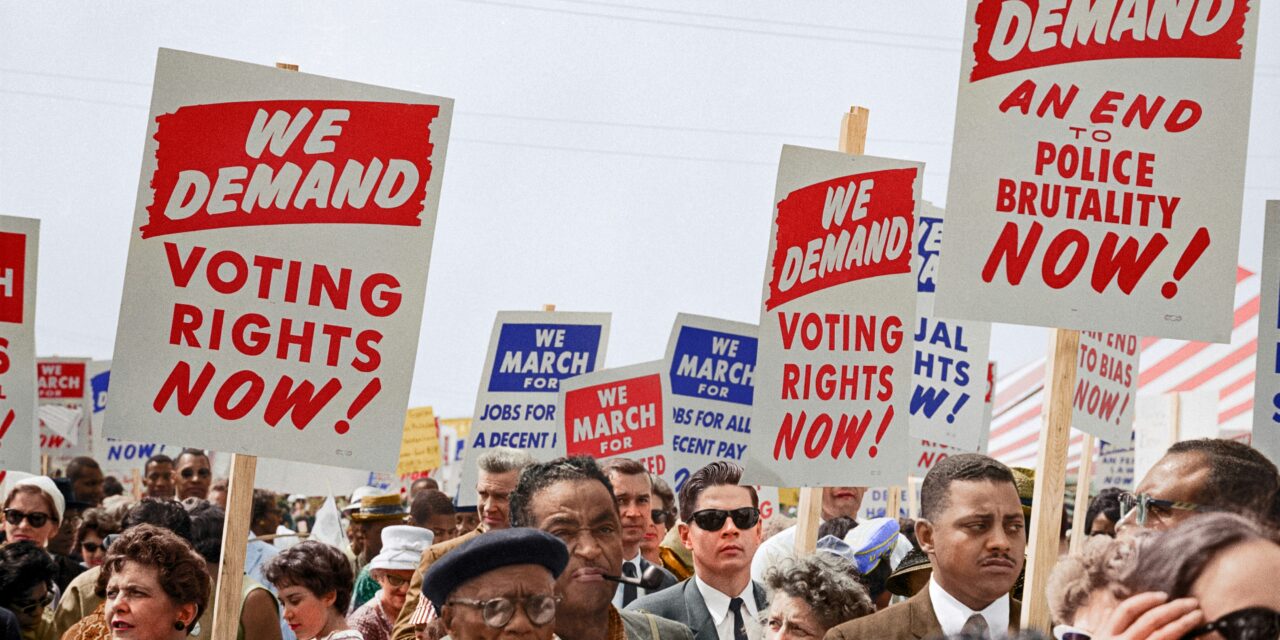
The 60th anniversary of the Voting Rights Act of 1965 brings into sharp focus the ongoing challenges to voting rights in Maryland, where Latino, Black, naturalized citizen, and working-class voters face increasing barriers to electoral participation. Recent lawsuits and bureaucratic changes have sought to undermine the Act's protections, echoing a national trend of voter suppression tactics.
In Maryland, the exclusion of unaffiliated voters, who now represent nearly a quarter of the electorate, from primary elections highlights a significant policy failure. This group, many of whom are naturalized citizens and voters of color, finds itself sidelined in critical electoral processes. Meanwhile, lawsuits like Maryland Election Integrity LLC v. Maryland State Board of Elections and RITE v. State Board of Elections have attempted to cast doubt on election integrity without credible evidence, targeting vulnerable voter populations.
Efforts to counteract these challenges are underway, including a lawsuit led by former Lt. Gov. Boyd Rutherford and federal actions by Maryland Attorney General Anthony Brown. The proposed Maryland Voting Rights Act aims to address some of these issues through measures like expanded language access and more transparent auditing. However, advocates argue that more comprehensive protections are needed to prevent vote dilution and local voter suppression.
The situation in Maryland serves as a microcosm of the broader struggle to protect voting rights in the United States. As the nation reflects on the legacy of the Voting Rights Act, the actions taken in Maryland could set a precedent for how to defend democracy against modern threats to electoral access.