Massachusetts Homeowners Face Deadline for Solar Tax Credits as Federal Incentives Set to Expire
With federal solar tax credits scheduled to decrease after 2026, Massachusetts homeowners are racing to maximize savings through solar installations while Sunfinity Power positions itself as a key provider in navigating state and federal incentive programs.
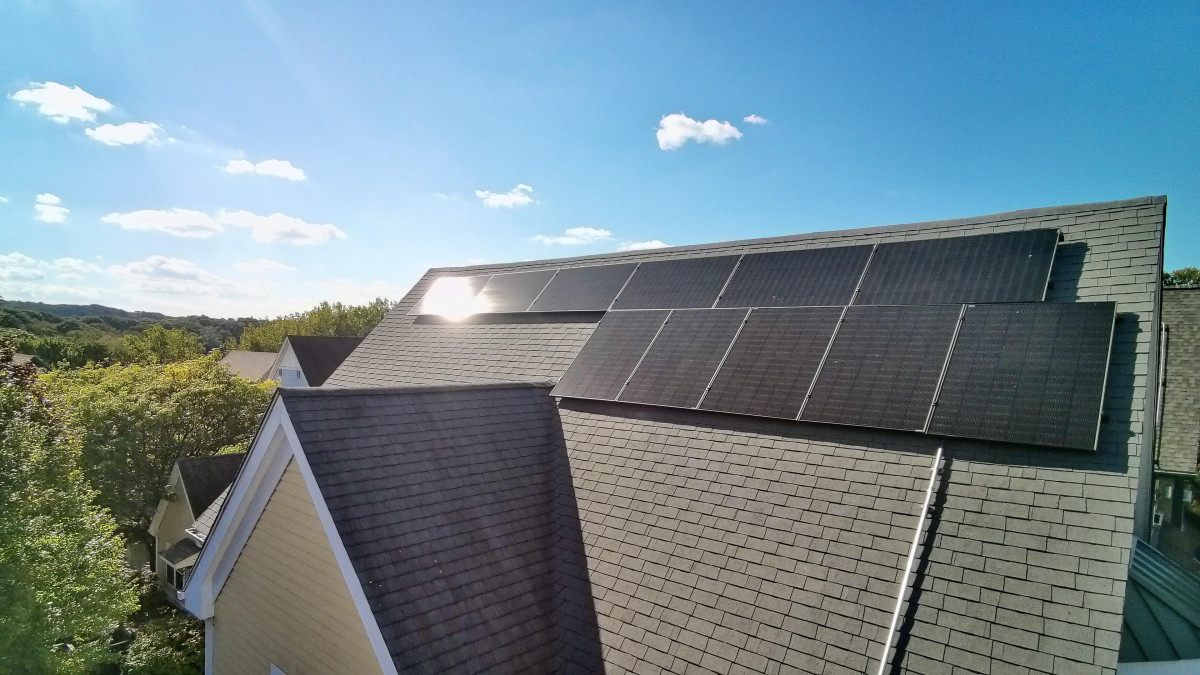
The impending expiration of federal solar incentives in 2026 is creating urgency among Massachusetts homeowners considering renewable energy investments. Sunfinity Power has emerged as a prominent solar provider in the state, helping residents navigate complex incentive programs while maximizing financial benefits during this critical window.
The federal solar tax credit currently allows homeowners to deduct a significant percentage of their solar installation costs from federal taxes, representing substantial potential savings. However, this incentive is scheduled to decrease in the coming years, creating pressure for homeowners to act quickly to secure maximum benefits. The timing is particularly important for Massachusetts residents who can combine federal incentives with state-specific programs designed to promote solar energy adoption.
Sunfinity Power's approach includes comprehensive education about available financial benefits, including federal tax credits, state rebates, and local incentives. The company emphasizes that by leveraging these financial benefits, homeowners can significantly reduce upfront costs associated with solar installations. This financial accessibility is crucial as more households seek to transition to clean energy while managing budget constraints.
The company offers multiple financing options including cash purchases, solar loans, and leasing arrangements, providing flexibility for homeowners with different financial situations. This variety of payment plans addresses one of the primary barriers to solar adoption—initial cost—while ensuring homeowners can still benefit from long-term energy savings.
Beyond financial considerations, the environmental implications of solar adoption are driving increased interest among Massachusetts residents. Homeowners installing solar panels are taking significant steps toward reducing their carbon footprint while contributing to broader sustainability goals. The growing popularity of solar energy in the state reflects a larger shift toward renewable energy sources as climate concerns intensify.
Sunfinity Power handles the entire installation process including permits and paperwork, aiming to simplify what can often be a complex transition for homeowners. This comprehensive service approach is designed to remove barriers to adoption while ensuring systems are properly installed and optimized for maximum efficiency. Homeowners can learn more about available incentives at https://sunfinitypower.com/massachusetts-solar-panel-incentives/.
The combination of expiring federal incentives, available state programs, and growing environmental awareness creates a unique opportunity for Massachusetts homeowners. Those who act before the 2026 deadline can lock in higher savings while contributing to the state's renewable energy goals. The current market conditions represent what many industry observers consider an optimal window for solar investment in the region.