Medicaid Coverage Gaps for Developmental Disabilities and Political Shifts Highlight Maryland's Current Challenges
Maryland faces critical issues including Medicaid coverage lapses for individuals with developmental disabilities, slipping poll numbers for Governor Wes Moore among Democratic voters, and environmental concerns over the Chesapeake Bay Watershed Agreement.
An increasing number of individuals with developmental disabilities in Maryland are experiencing lapses in Medicaid coverage, a situation exacerbated by the state's inability to keep up with new applications and appeals against wrongful terminations. This issue highlights a growing gap in healthcare access for some of the state's most vulnerable residents.
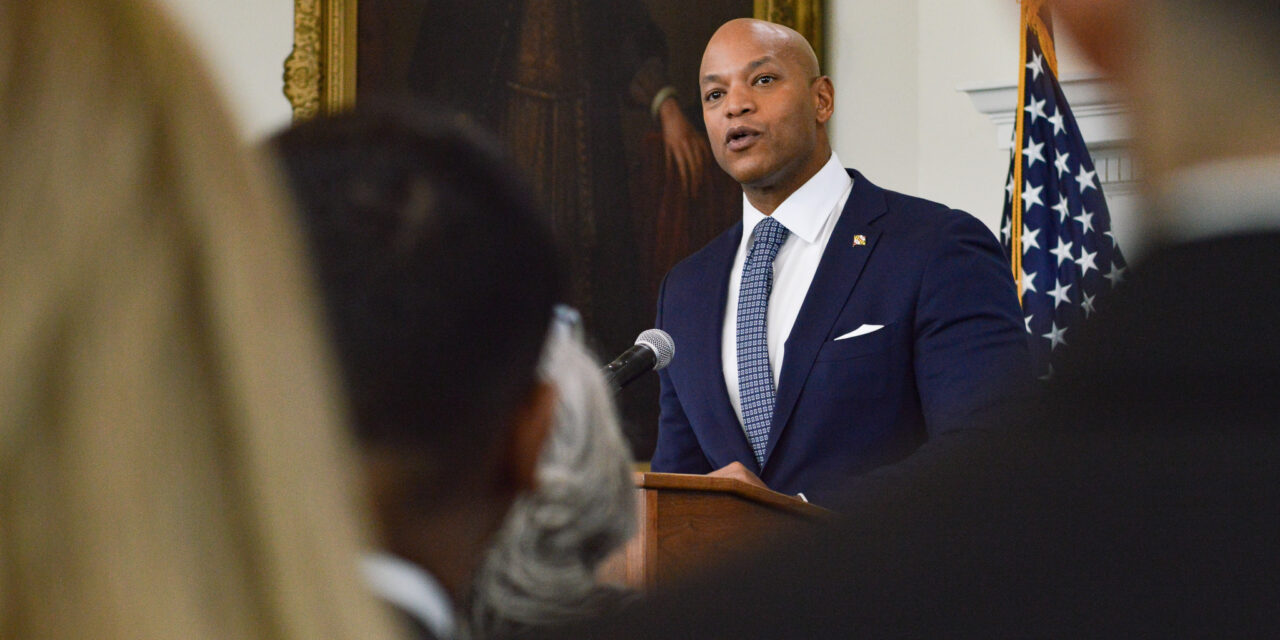
Governor Wes Moore's approval ratings among Democratic voters have seen a slight decline, with only 68% of Democrats rating his performance as 'excellent' or 'good'. This marks a noticeable shift from previous polls where Moore enjoyed higher approval ratings since taking office in January 2023.
Environmental advocates have criticized the latest draft of the Chesapeake Bay Watershed Agreement for lacking clear pollution reduction targets and mechanisms for holding states accountable. The agreement, which aims to guide bay restoration efforts beyond 2025, has been met with concern over its potential effectiveness in addressing environmental challenges.
In other developments, the Maryland Department of Transportation is seeking proposals to revitalize the area around the Bowie State MARC station, part of a broader initiative to enhance development along the MARC Penn Line Corridor. This project aims to increase ridership and provide affordable housing options.
Maryland's Cameroonian community, the largest in the country, faces uncertainty as Temporary Protected Status for many expires, leaving families like Ernestine and Denis's in limbo after fleeing violence in Cameroon. Similarly, Haitian immigrants in the Eastern Shore's poultry industry are under threat from ongoing immigration crackdowns, jeopardizing their livelihoods and contributions to the local economy.
Newly elected Congress members from Maryland, including Rep. Johnny Olszewski Jr., find themselves navigating the complexities of Capitol Hill from the minority party, highlighting the challenges of establishing influence in a divided Congress.
Senator Chris Van Hollen is set to headline a major Democratic fundraiser in Iowa, showcasing his rising profile within the party. Meanwhile, Maryland's tax-free week, while beneficial for shoppers, is projected to cost the state $9.3 million in lost revenue.
Controversy has arisen over the National Education Association's handbook changes, with Jewish leaders condemning them as antisemitic. Additionally, a man has been charged with vandalizing Israeli flags and a business, raising concerns over hate crimes in the area.
Local governance issues, such as Carroll County's proposal to license 'cat colonies' and the Montgomery County school board's termination of a principal, reflect ongoing debates over community standards and educational leadership.
These stories collectively underscore the diverse challenges facing Maryland, from healthcare and environmental policy to immigration and political dynamics, as the state navigates complex social and economic issues.