Miami Industrial Real Estate Market Faces Modest Correction as Construction Slows
The Miami industrial real estate market is experiencing a shift toward more balanced conditions with expected rent declines and construction slowdowns, reflecting broader economic pressures on commercial real estate.
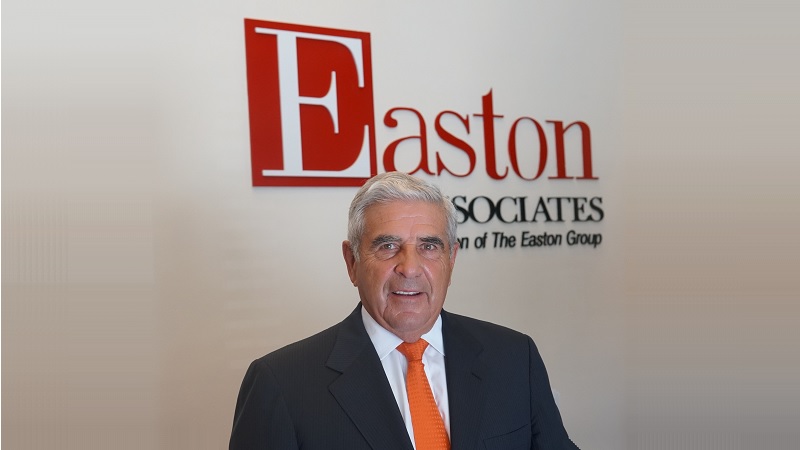
The Miami industrial real estate market is undergoing a significant transition as demand cools from recent peaks, creating a more balanced but cautious environment according to industry leaders. Edward W. Easton, chairman of The Easton Group, indicates that while the market remains reasonably healthy, a price disconnect between buyers and sellers has led to declining transaction volumes as many sellers have not adjusted expectations to current market conditions.
Rental rates are expected to face a modest correction of approximately 8% over the next year, while occupancy rates have dipped from 98% to about 95%. Despite these changes, Easton emphasizes that the market is not experiencing a collapse in pricing but rather a normalization where capital is more cautious and decision-making processes are taking longer to complete.
Construction activity has significantly slowed due to economic constraints. Development costs have reached approximately $350 per square foot including land costs, while rents average $15 per square foot, resulting in projected returns of only 4.28% that are insufficient to justify new construction. Most developers, including The Easton Group, are adopting a wait-and-see approach, with only projects already in the pipeline moving forward while new developments are paused until economic conditions improve.
The Easton Group is focusing its investment strategy on acquiring existing buildings rather than pursuing new development, targeting stabilized or near-stabilized properties with in-place leases featuring below-market rents in core markets like metro Miami. While some stress is appearing in commercial mortgage-backed securities, the overall debt and equity capital markets remain relatively healthy, with limited expectations for widespread distress given current market liquidity.
This market shift reflects broader economic pressures including interest rates and high land costs that are reshaping investment strategies across the commercial real estate sector. The transition toward more cautious capital deployment and selective acquisition strategies indicates a maturation of the market cycle following years of rapid growth and development activity.