MindFlare AI Addresses $5 Trillion AI Skills Gap With New Workforce Development Model
MindFlare AI introduces innovative workforce training to address the critical AI skills gap affecting 68% of organizations, which costs the global economy over $5 trillion annually and threatens business competitiveness.
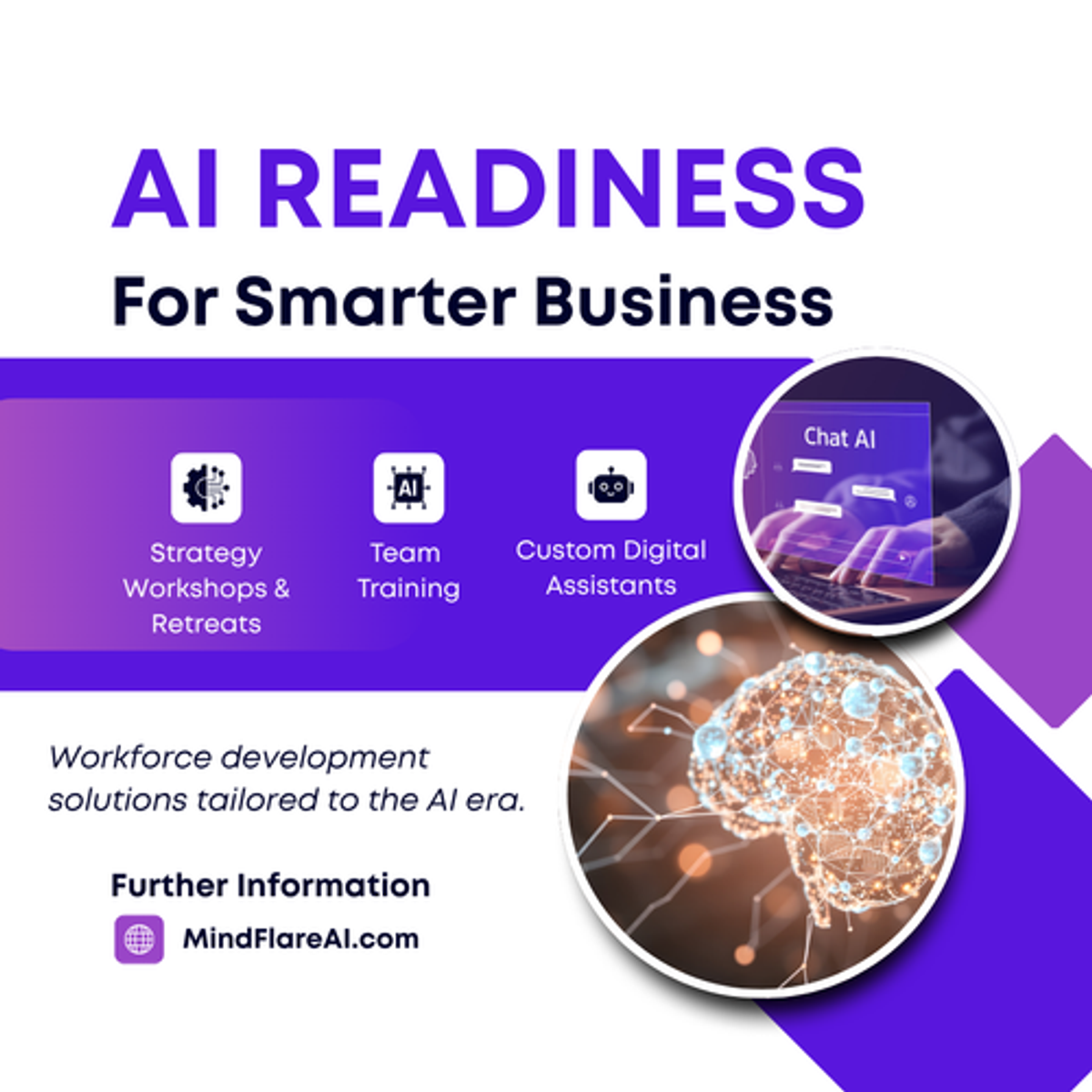
As organizations worldwide accelerate artificial intelligence adoption, a significant barrier has emerged: while AI technology advances rapidly, workforce readiness lags dramatically. Research reveals that companies leveraging AI effectively achieve up to three times higher revenue-per-employee growth than their peers, yet most employees lack the skills and confidence to implement these technologies in their daily work.
According to Deloitte research from 2025, 68% of executives report a moderate to extreme AI skills gap within their organizations. This disconnect between technological capability and human proficiency represents one of the most significant challenges facing modern businesses. The economic impact has reached staggering proportions, with IDC estimating the global cost of the AI skills gap now exceeds $5 trillion annually.
The problem extends beyond basic technical understanding. Forrester research indicates only 22% of employees know how to use prompt engineering effectively, highlighting a major adoption barrier despite widespread AI tool availability. This skills shortage occurs alongside overwhelming executive recognition of AI's importance, with 94% of CEOs ranking AI skills as their top hiring priority according to IDC data, yet only one-third of organizations report adequate employee training for AI-related roles.
Julie Anne Eason, Founder of MindFlare AI, explained the core issue: "AI doesn't replace human expertise — it expands capacity. The problem isn't access to technology; it's access to practical, role-specific learning. Closing that skills gap is the fastest way to unlock real ROI."
Traditional training approaches have proven insufficient against what psychologists call the Ebbinghaus Forgetting Curve, which demonstrates that people forget up to 90% of what they learn within days without reinforcement. One-time AI training sessions and generic "AI 101" seminars fail to create lasting capability because they focus on tools rather than transformation, leaving teams uncertain how to apply AI to their specific job functions.
MindFlare AI addresses this challenge through workshops that combine global AI literacy standards with role-specific application, hands-on workflow design, and real-time AI learning assistants. This integrated approach transforms AI education from theoretical concept to daily applied skill-building that fits seamlessly into existing workflows. The methodology ensures continuous learning and practical implementation rather than isolated training events.
"When people understand exactly how AI applies to their role, adoption stops being intimidating and starts being exciting," Eason added. "That's when companies move from experimenting to scaling."
The urgency for addressing workforce AI readiness has never been greater. Deloitte identifies AI training as the single largest barrier between adoption and measurable ROI, while Forrester data confirms most employees remain unprepared for AI-enabled workflows. With between 60-70% of companies entering 2026 lacking formal AI training programs despite record spending on automation tools, organizations that invest in comprehensive workforce development now position themselves for competitive advantage in the coming year.