Montgomery County Faces Economic Challenges Amid Lab Space Glut and Leadership Concerns
Montgomery County's economic struggles are highlighted by a surplus of lab space and missed opportunities, underscoring the need for strategic leadership and innovation to attract new businesses and revitalize the local economy.
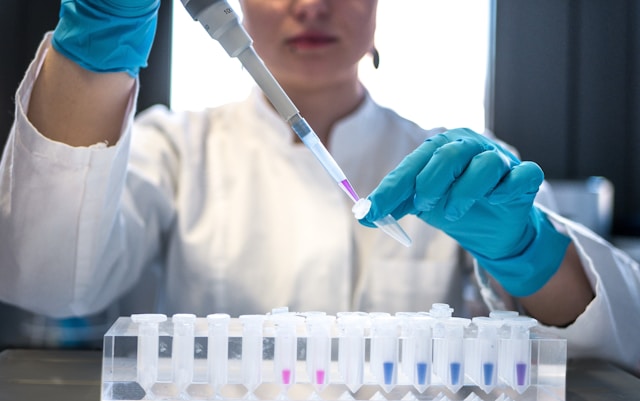
Montgomery County is grappling with significant economic challenges, including an excess of biolab space and a perceived lack of effective leadership, which have contributed to its inability to attract new businesses and compete with neighboring jurisdictions. A recent analysis reveals that the county has over half a million square feet of unused lab space, a situation exacerbated by cuts to the U.S. Department of Health and Human Services (HHS) and missed opportunities, such as failing to secure a $50 billion drug manufacturer project.
The county's economic malaise is not a new phenomenon. A 2018 study by the Sage Policy Group, Inc. highlighted several concerning trends, including sluggish job growth and a high dependency on federal employment, which is 433 percent more concentrated in Montgomery County than the national average. This over-reliance on federal activity has left the county vulnerable to shifts in federal spending and policy changes.
Despite these challenges, there are potential pathways to revitalization. Transforming vacant biolab spaces into incubators for biotech startups and fostering research and development partnerships with universities could spur innovation and attract investment. Additionally, establishing training centers to develop a skilled workforce in the life sciences sector could address employment gaps and support economic growth.
The current situation calls for proactive measures from local and state leaders to diversify the economy and reduce dependency on federal funding. Without significant changes, Montgomery County risks further economic decline, underscoring the urgency for strategic planning and leadership to navigate these challenges effectively.