Navigating the Cost of Dental Implants: Strategies for Affordable Treatment in 2026
Dental implants remain a top choice for tooth replacement, but high costs can be a barrier; this article explores financing, dental schools, and other smart savings strategies to make treatment more accessible.
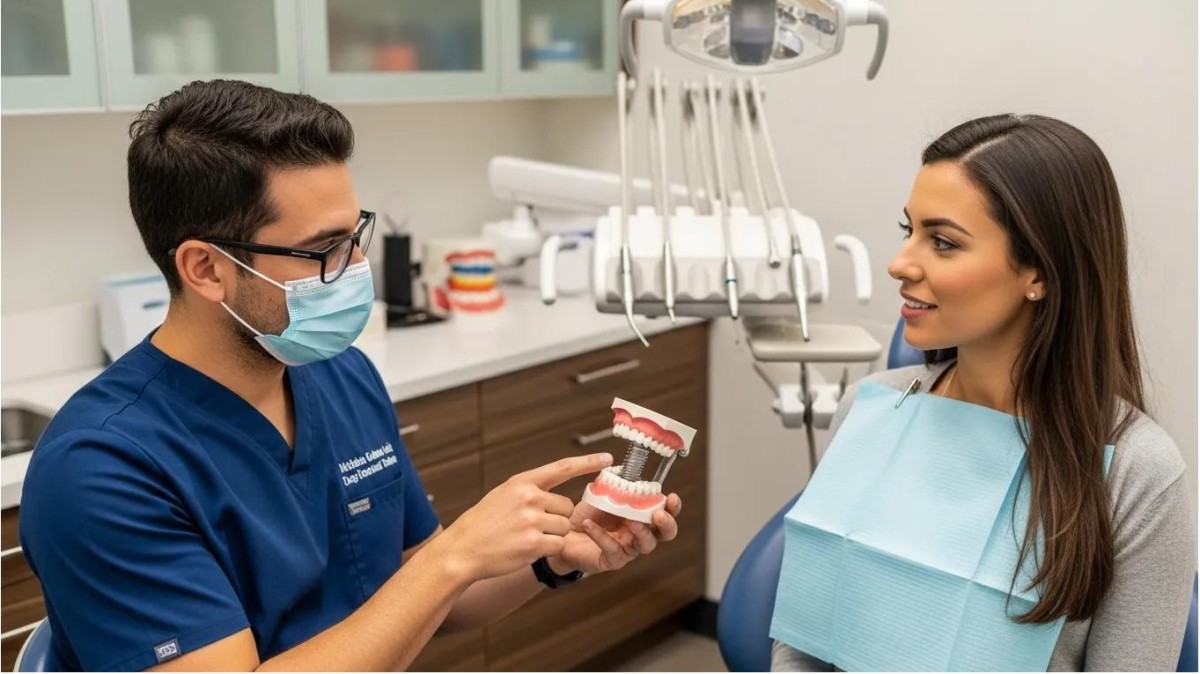
Dental implants are widely regarded as the gold standard for replacing missing teeth, offering durability, comfort, and a natural appearance. However, the significant cost—ranging from $3,000 to $6,000 for a single implant in 2026—often deters patients. Understanding the factors behind these prices and exploring cost-saving avenues can make implants a realistic option for more people.
The price of dental implants reflects the complexity of the procedure, advanced materials like titanium or zirconia, and the expertise required. Additional treatments such as bone grafts or sinus lifts can further increase expenses. For full-mouth restorations, costs can escalate to $25,000–$90,000 or more. Yet, many patients successfully reduce their financial burden through careful planning.
One effective strategy is comparing multiple dental clinics. Implant prices can vary significantly even within the same city, so obtaining detailed estimates from several providers is crucial. Affordable Dentist Near Me of Cleburne offers competitive pricing and transparent treatment plans, emphasizing long-term value over upfront costs.
Dental schools present another avenue for savings. Students perform procedures under expert supervision at 30% to 60% lower costs. While appointments may take longer, the quality of care remains high. For those willing to travel, dental tourism to countries like Mexico or Turkey offers reduced rates, though patients must consider follow-up care logistics.
Financing options have also expanded. Many clinics offer monthly payment plans, sometimes with interest-free periods. Healthcare credit programs like CareCredit provide flexible terms but require careful review of interest rates. Some dental offices offer membership plans that include discounts on procedures and routine care. Checking insurance coverage is also important; while many plans now cover parts of implant treatment, exclusions remain common.
Caution is warranted when encountering extremely low prices. Hidden fees, inexperienced providers, or substandard materials can lead to complications. Patients should ask detailed questions about what is included, the implant brand used, and follow-up care. A trustworthy dentist will provide clear answers and a comprehensive treatment plan.
For those who cannot afford implants, alternatives like dentures or bridges are available at lower initial costs. However, dentures may require frequent adjustments and replacements, while bridges involve altering healthy teeth. Implants often prove more economical over time due to their longevity—typically 20 years or more with proper care—and their ability to preserve jawbone health.
The key to affordable dental implants lies in informed decision-making. By comparing providers, exploring educational institutions, leveraging financing, and understanding insurance benefits, patients can restore their smiles without compromising quality. As one local provider notes, focusing on long-term value rather than the cheapest option ensures both oral health and financial well-being.