New Interactive Tool Reveals Hidden Crisis of Student Homelessness Across America
A comprehensive data analysis tool launched by SchoolHouse Connection and University of Michigan's Poverty Solutions reveals critical insights into student homelessness patterns and educational outcomes across the United States, highlighting funding gaps and areas needing intervention.
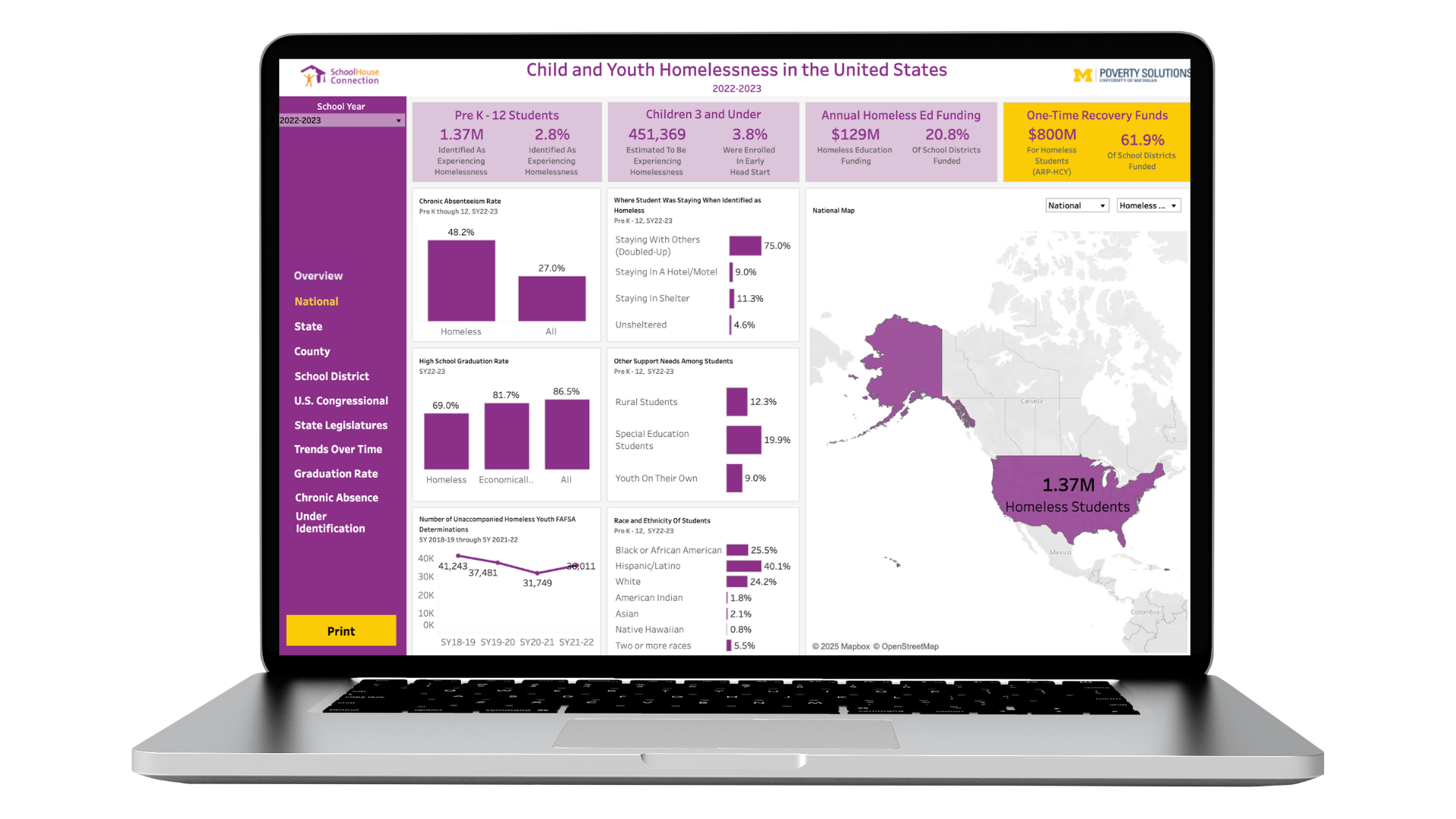
A new interactive data dashboard launched jointly by SchoolHouse Connection and the University of Michigan's Poverty Solutions initiative is shedding unprecedented light on the often invisible crisis of student homelessness in American education. The tool aggregates and analyzes federal data spanning four years, offering detailed insights into homelessness trends from national to local levels.
The dashboard's significance lies in its ability to identify school districts that may be under-reporting student homelessness and those classified as 'severely underfunded' - districts that have identified homeless students but lack McKinney-Vento subgrants to support them. This funding gap represents a critical challenge in addressing student homelessness effectively.
Educational disparities between housed and homeless students become starkly apparent through the tool's analysis of key metrics including chronic absenteeism and graduation rates. These comparative insights provide educators and policymakers with crucial data to guide interventions and resource allocation.
Barbara Duffield, Executive Director of SchoolHouse Connection, emphasizes the hidden nature of this crisis: 'Child and youth homelessness is largely invisible in our communities and in our schools.' The tool's geographic breadth - covering national, state, congressional, and local district levels - enables policymakers and educators to identify patterns and target resources more effectively.
This initiative marks a significant step forward in understanding and addressing student homelessness, providing stakeholders with data-driven insights to inform policy decisions and improve educational outcomes for vulnerable students. The tool's comprehensive approach to data analysis could lead to more effective interventions and better-targeted funding allocation in addressing this persistent educational challenge.