New Study Quantifies Google Business Profile Ranking Factors: Proximity Dominates at 48%
Search Atlas research reveals proximity accounts for nearly half of local search ranking influence, with reviews and relevance serving as key competitive differentiators across business sectors.
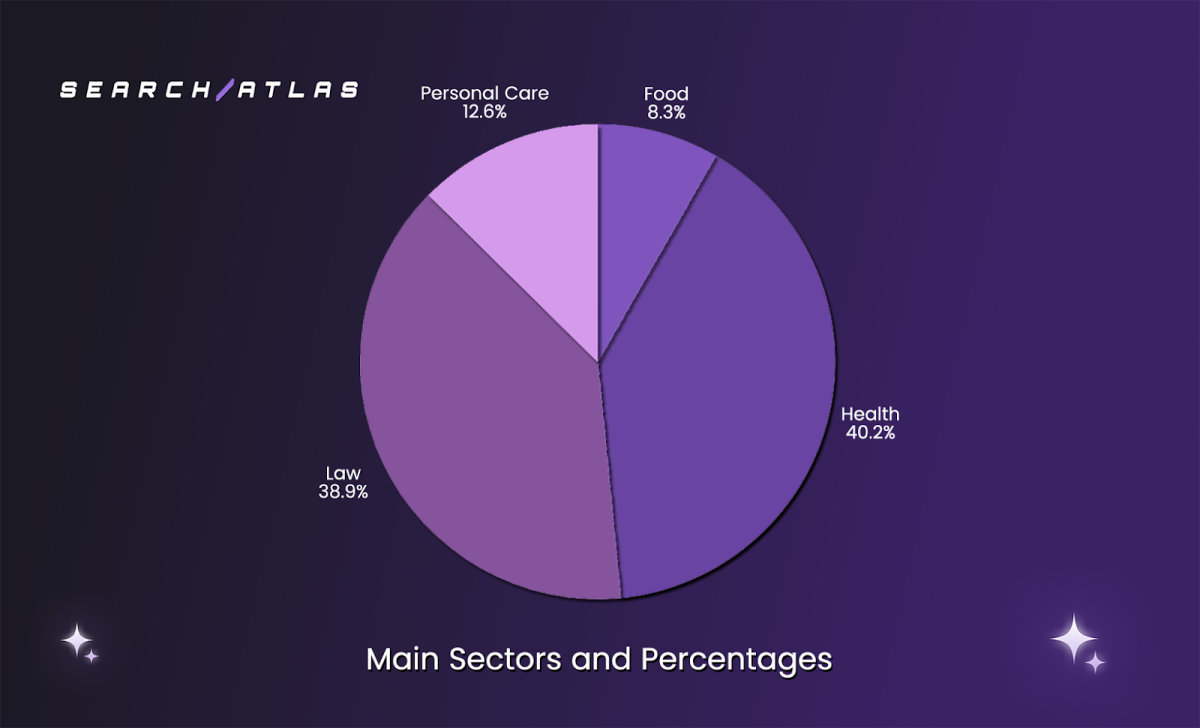
A comprehensive analysis of 3,269 local businesses by Search Atlas has quantified the precise weighting of factors that determine Google Business Profile rankings, with proximity emerging as the dominant force at approximately 48% influence. The study, conducted using machine learning techniques including XGBoost regression, analyzed businesses across food, health, law, and beauty sectors to provide measurable percentages for ranking drivers.
The global model explained 75% of variance in GBP rankings, revealing proximity as the single biggest driver across all industries. Following proximity, industry type accounted for approximately 21% of ranking influence, while review keywords contributed 11% and number of reviews 8%. Business name matching with searched keywords provided a 7% advantage, while profile and website optimization collectively accounted for only 2-3% of ranking influence.
Sector-specific analysis revealed significant variations in ranking factor importance. In the food sector, proximity remained dominant at 46%, but review factors gained importance in top positions, with review count reaching 23% influence for businesses ranking in positions 1-5. The health sector showed strong dependence on category relevance at 18%, particularly for medical services where trust and accuracy are critical factors.
The law sector demonstrated the strongest proximity dependence at nearly 68% influence for positions 1-21, though review relevance grew to 22% importance for top 1-5 rankings. Most strikingly, the beauty and personal care sector showed reviews driving almost half of ranking influence at 48%, with proximity mattering less at 21% and business name-keyword match becoming crucial for top positions.
The research methodology combined keyword-based SERP grid visibility, business profile metadata, and website content with reviews, using average position as the target variable to measure visibility distribution and rank prediction accuracy. The machine learning approach enabled scalable processing and robust feature weighting that revealed hidden ranking correlations not apparent through traditional analysis.
Business implications are clear: proximity must be treated as a baseline factor rather than a competitive differentiator, while review strategies should focus on encouraging service-specific keywords that align semantically with target search terms. Branding alignment with keyword intent and sector-specific optimization approaches are essential for businesses seeking improved local search visibility. The study's quantification of these factors provides evidence-based guidance for local SEO strategies across diverse industries.