Ontario Engineer Launches Consulting Practice to Replace Fragmented SaaS Stacks with Custom Internal Tools
Franz Wiebe, a product engineer from Aylmer, Ontario, has launched a consulting practice building custom internal tools and SaaS MVPs for fintech firms and startups, aiming to eliminate the operational friction caused by disconnected software subscriptions.
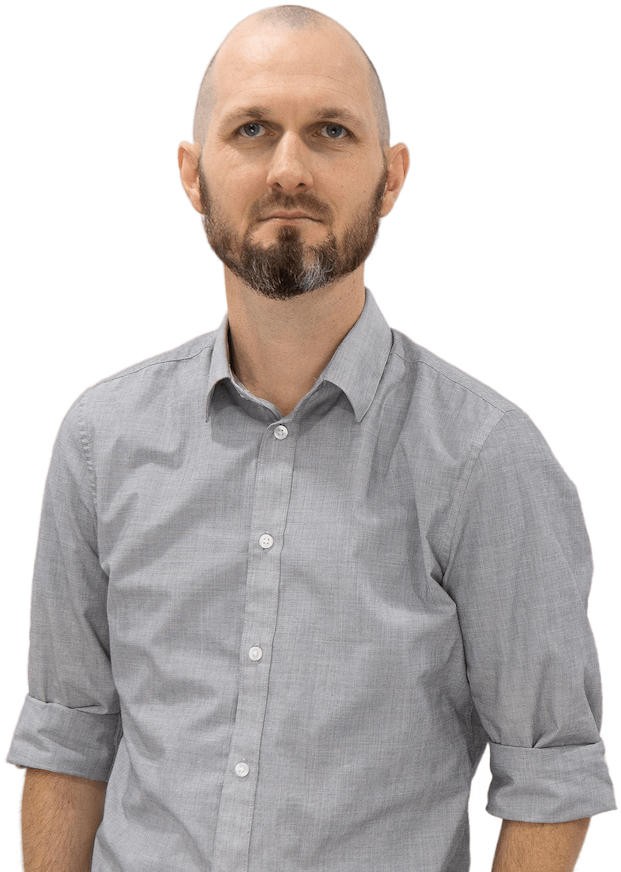
Franz Wiebe, a product engineer based in Aylmer, Ontario, has formally launched a dedicated consulting practice offering custom internal tools and SaaS MVP development for fintech firms, ministry organizations, and early-stage software ventures. The launch formalizes more than a decade of project work built around a single conviction: that most growing teams are slowed not by a lack of ambition, but by the software they are forced to work around.
Before founding his practice, Wiebe spent years building products inside organizations where teams would adopt one SaaS tool to solve an immediate problem, then another to fill the gap the first one left, eventually managing a stack of six or eight subscriptions that barely communicated with each other. Data lived in silos, processes required manual handoffs, and the tools meant to create leverage became the source of friction. Rather than patching existing systems, Wiebe builds replacements—custom admin panels, multi-tenant SaaS platforms, and internal dashboards—designed around the specific workflows his clients use. His technical foundation is FilamentPHP and the TALL stack (Tailwind CSS, Alpine.js, Laravel, and Livewire), chosen for speed of development, long-term maintainability, and practical fit for operational tools.
Wiebe's client list includes fintech platforms requiring precise data integrity and audit trails, church management systems handling member records and giving history, and enterprise admin panels that consolidate four or five separate tools into a single role-based interface. Each project involves direct integration with APIs such as Twilio for messaging, Stripe for payments, and DocuSign for document workflows. Multi-tenant architecture is a particular area of depth; for SaaS ventures building their first production-ready product, Wiebe provides what amounts to a technical co-founder's contribution without the equity negotiation. "The project I keep thinking about is a fintech admin panel we shipped in under 10 weeks that replaced 3 separate subscriptions the team had been managing manually," said Wiebe. "That is the outcome I am trying to replicate for every client—not just cleaner code, but actual hours returned to the team."
Wiebe positions himself specifically as a SaaS MVP developer in Canada, addressing a gap he has observed in the market. Early-stage Canadian founders often have strong product instincts but limited access to senior engineers willing to engage at the MVP stage rather than waiting until Series A budgets are in play. Wiebe deliberately works at that earlier stage. His practice accepts projects from teams that need a capable TALL stack developer who can hold the full technical picture, make architecture decisions independently, and deliver something that scales rather than something that simply ships. The consulting practice is based in Aylmer, Ontario, and works with clients across Canada and the United States.
For founders who need to move fast and maintain what they build, Wiebe's approach offers a cohesive alternative to the complexity of multiple frameworks or microservices architectures. By focusing on the TALL stack and FilamentPHP, he delivers interfaces that non-technical team members can navigate without training, while giving developers the control needed for business-specific edge cases. The implication is clear: teams can reclaim hours lost to manual data handoffs and tool-hopping, accelerating their core work without the overhead of patching together disparate software.